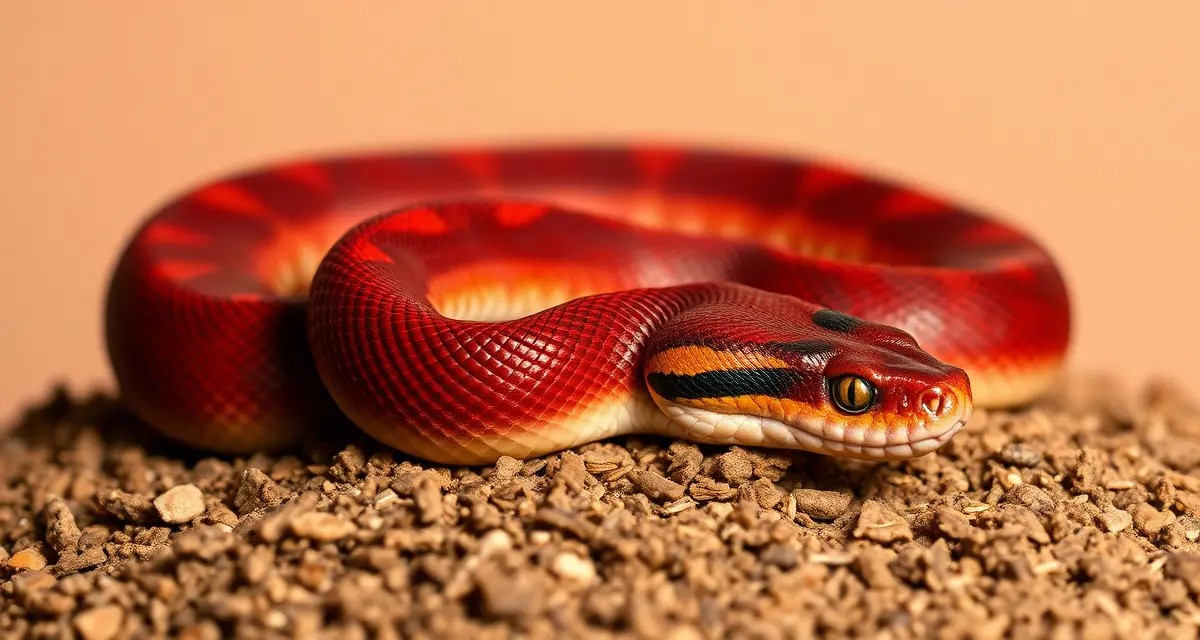
Blood Python Breeding Records: A Complete Documentation Guide
By HatchLedger Editorial Team · Published 2025-02-27 · Updated Mar 13, 2026
Blood pythons (Python brongersmai) are one of the most rewarding pythons to breed, but they require a different approach than ball pythons. Heavier bodied, more defensive in some individuals, and with their own distinct breeding timeline, blood pythons reward breeders who pay close attention and keep detailed records.
Blood Python Breeding Biology
Blood pythons are native to the Malay Peninsula, Sumatra, and nearby islands. They experience a less dramatic seasonal variation than ball pythons, which means breeding triggers are somewhat subtler and individual animals can vary in their response to cycling protocols.
Breeding season: Most breeders in the northern hemisphere cycle blood pythons from October through February, with pairings primarily October through January. Eggs are typically laid February through April. At blood python incubation temperatures, hatching occurs July through September.
Clutch size: Blood python clutches average 10-16 eggs, with productive females producing 18-20 or more. First-time breeding females typically produce smaller clutches.
Incubation: Blood pythons incubate cooler than ball pythons. Most experienced breeders target 84-86F, with 85F being common. At this temperature, incubation takes 75-90 days. Higher temperatures can produce faster development but carry increased deformity risk.
Pre-Season Records
Before the breeding season, document every breeding candidate's status:
- Weight: female blood pythons should generally be 1,500-2,000g minimum before breeding, with larger females preferred
- Body condition: blood pythons can carry significant fat deposits, assess body condition not just weight
- Last feeding and shed dates
- Previous breeding history
Pairing Records
Blood python introductions require more caution than ball python pairings. Blood pythons can be defensive, and some females are aggressive toward males. Supervised introductions are preferable, especially with animals you haven't paired before.
Record every introduction:
- Date
- Female ID and male ID
- Duration
- Lock observed (yes/no)
- Behavior notes: was the female receptive, defensive, or aggressive? Was the male actively pursuing or disinterested?
- Date male was removed
Blood python males may need extended rest periods between introductions due to the physical demands of breeding these larger, heavier animals.
Ovulation and Pre-Lay Records
Blood python ovulation presents similarly to ball python ovulation: a mid-body swelling that lasts 24-48 hours. It can be subtle in heavier-bodied individuals. Check gravid females daily during the pairing period.
After ovulation, the pre-lay shed occurs approximately 30-45 days later (somewhat more variable than in ball pythons). Egg laying follows approximately 30-40 days after the pre-lay shed.
Document:
- Date of observed ovulation (or estimated ovulation based on pre-lay shed)
- Date of pre-lay shed
- Calculated lay date window
- Calculated hatch date window
Clutch Records
When eggs are laid, document immediately:
- Lay date
- Total egg count and fertile vs. slug count
- Individual egg weights if possible (blood python eggs are large, 80-130g each)
- Total clutch weight
- Female post-lay weight and condition assessment
- Incubation setup: container type, substrate type and ratio, temperature target, humidity target
Blood python eggs are particularly large and benefit from careful humidity management. Many breeders use perlite or hatchrite substrate slightly on the dry side compared to ball python incubation, as blood python eggs can be susceptible to absorbing excess moisture.
Incubation Logs
Check eggs weekly. Document temperature and humidity at each check, along with any egg changes. Blood python eggs develop visibly, you can see the embryo mass through the shell at certain stages, and healthy eggs gain a slight pinkish tone as development progresses.
Any eggs that show early signs of death (yellowing, collapsing, fungal growth) should be removed promptly to protect viable eggs.
Hatch Records
Blood python hatchlings are large compared to ball python hatchlings, typically weighing 80-130g at birth. They are often more defensive from hatching than ball pythons and may take several meals before becoming reliably feed-trained.
Document at hatch:
- Pip date and full hatch date
- Individual hatchling weights and morph identification
- Physical notes
HatchLedger connects blood python clutch records to individual hatchling records the same way it does for ball pythons, making the transition from incubator to hatchling inventory seamless.
Related content: Blood Python Record Keeping | Blood Python Cycling Guide | Clutch Hatch Tracking
Related Articles
FAQ
What is Blood Python Breeding Records: A Complete Documentation Guide?
Blood Python Breeding Records: A Complete Documentation Guide is a comprehensive resource for breeders working with Python brongersmai. It covers the full breeding cycle—from cycling protocols and pairing records to clutch documentation and incubation tracking. Because blood pythons have subtler seasonal cues and distinct temperature requirements compared to ball pythons, detailed record-keeping is essential. The guide helps breeders log individual animal responses, identify patterns across seasons, and improve outcomes year over year.
How much does Blood Python Breeding Records: A Complete Documentation Guide cost?
The guide itself is free editorial content published on HatchLedger. There is no purchase required to read or use the documentation frameworks described. HatchLedger provides breeding record tools and templates as part of its platform, with free and premium tiers available depending on how many animals and breeding projects you manage.
How does Blood Python Breeding Records: A Complete Documentation Guide work?
The guide walks breeders through building a documentation system tailored to blood python biology. It covers what to record during cycling (October–February), how to log pairing sessions, what clutch data to capture at egg lay (typically February–April), and how to track incubation at the recommended 84–86°F range. By following a consistent structure, breeders can spot trends, troubleshoot issues, and build a reliable breeding history for each animal.
What are the benefits of Blood Python Breeding Records: A Complete Documentation Guide?
Detailed breeding records help blood python breeders identify which females respond best to cycling, predict clutch sizes based on female weight and history, and troubleshoot incubation problems. Because blood pythons vary individually in their response to seasonal cues, records reveal patterns that memory alone cannot. Over multiple seasons, good documentation translates directly into healthier clutches, better pairing decisions, and stronger genetics management across your collection.
Who needs Blood Python Breeding Records: A Complete Documentation Guide?
This guide is aimed at serious hobbyist and professional blood python breeders who want to move beyond casual record-keeping. It is especially useful for breeders managing multiple animals or bloodlines, those producing 10–20+ eggs per clutch, and anyone who has experienced inconsistent results and wants a systematic approach. Beginners planning their first blood python pairing will also benefit from understanding what data to collect from day one.
How long does Blood Python Breeding Records: A Complete Documentation Guide take?
Setting up your documentation system takes a few hours initially. Ongoing record-keeping during a breeding season—October through approximately September when hatchlings emerge—requires only minutes per pairing or incubation check. The full blood python breeding cycle spans roughly 10–12 months from the start of cycling to hatchling sales or placement, so consistent short entries over that period build a complete, valuable dataset without significant time investment.
What should I look for when choosing Blood Python Breeding Records: A Complete Documentation Guide?
Look for a guide that addresses blood python-specific biology rather than adapting ball python frameworks directly. Blood pythons incubate cooler (84–86°F), have subtler cycling responses, and average 10–16 eggs per clutch. Good documentation guidance should cover female conditioning weight, pairing frequency logs, lock duration, pre-lay behavior, and incubation humidity alongside temperature. The best guides also explain how to use historical records to refine your approach each season.
Is Blood Python Breeding Records: A Complete Documentation Guide worth it?
Yes—for anyone breeding blood pythons seriously, a structured documentation practice pays off quickly. Breeders who track female weight trends, pairing responses, and incubation conditions year over year make faster, better-informed decisions. Given that blood python clutches average 10–16 eggs and incubation runs 75–90 days, the cost of a failed season is high. Good records reduce guesswork, improve clutch rates, and create real value when selling proven animals or bloodlines.
Sources
- Reptile and Amphibian Ecology International
- Association of Reptilian and Amphibian Veterinarians (ARAV)
- Blood python community (Fauna Classifieds, MorphMarket)