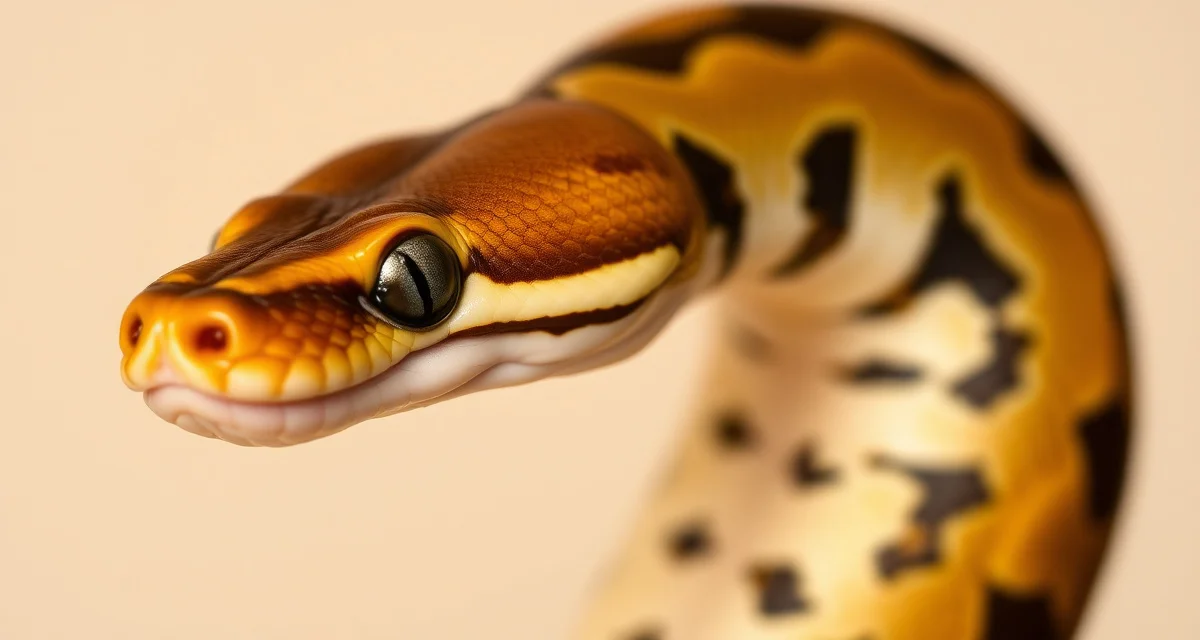
Identifying Ovulation and Pre-Lay Shed in Ball Pythons: A Breeder's Visual Guide
By HatchLedger Editorial Team · Published 2025-06-07 · Updated Mar 13, 2026
Knowing when your female ball python has ovulated is one of the most satisfying moments in a breeding season, and it's also critical information for your calendar. Ovulation tells you when to expect the pre-lay shed, when to expect egg laying, and roughly when eggs will hatch. Breeders using integrated software report 30% less time on administrative tasks, and part of that savings comes from having a documented timeline for every gravid female rather than keeping those dates in your head.
TL;DR
- Ball python breeding operations require systematic record-keeping from pre-season preparation through end-of-season sales.
- Females at 1,200-1,500g or more are the target weight before introducing them to a breeding male.
- Ovulation detection is the key event that anchors pre-lay shed and lay date calculations.
- Clutch profitability guide depends on understanding actual cost basis per animal, not just gross sale revenue.
- Well-documented animals with complete feeding histories and clear genetic records consistently sell faster and at higher prices.
This guide walks through the full reproductive timeline from follicle development through ovulation and pre-lay shed, with practical tips for identifying each stage confidently.
The Ball Python Reproductive Cycle
Before focusing on ovulation specifically, it helps to understand the full arc of the cycle:
1. Follicle development: Over 4-8 weeks of consistent pairing, a female's ovarian follicles develop and enlarge. This is the slow-building phase. You may notice the female's mid-body appearing slightly thicker than usual.
2. Ovulation: The follicles are released from the ovaries and fertilized. This event is often visible externally and typically lasts 24-72 hours.
3. Post-ovulation development: The fertilized eggs develop within the female's body. She becomes increasingly gravid (egg-laden) over the next 2-4 weeks.
4. Pre-lay shed: Approximately 30-35 days after ovulation, the female enters a shed cycle. This pre-lay shed is a reliable indicator that egg laying is 2-3 weeks away.
5. Egg laying: Typically occurs 14-21 days after the pre-lay shed, most commonly at night or in the early morning hours.
6. Incubation: 55-65 days at 88-89°F produces consistent hatch rates.
Identifying Ovulation
Ovulation is one of the more dramatic visible events in ball python reproduction and is surprisingly easy to miss if you're not watching for it.
Visual signs:
The most obvious sign is a mid-body bulge that wasn't there before. During ovulation, the female's body will show a pronounced swelling roughly in the middle section of her body, sometimes described as looking like she swallowed a single very large prey item. This bulge represents the follicles passing through the oviducts.
This swelling may persist for 24-72 hours and then resolve. Some females show a very dramatic bulge; others are more subtle. Females in smaller tubs (where you can easily see the entire body when the lid is removed) are easier to monitor.
Behavioral signs:
Females at or approaching ovulation often become restless. You may observe them pressing against the sides or lid of their enclosure, moving more than usual during your daily checks, or refusing food. Some females stop eating entirely once they've ovulated and don't resume until after the clutch is laid and incubating.
Palpation (advanced): Experienced breeders can gently palpate the female's mid-body to feel developing follicles or eggs. This requires practice and a confident but gentle touch. Incorrect palpation can stress or injure the female. If you're new to this, visual identification alone is sufficient.
What If You Missed Ovulation?
Don't panic. Many breeders miss ovulation entirely and work backward from the pre-lay shed to estimate laying and hatch dates. If your female suddenly develops a visibly gravid appearance and you're not sure when she ovulated, check for the following:
- Is she noticeably heavier than before?
- Does her mid-body appear lumpy or uneven when you view her from above?
- Is she spending more time in her hide or pressed flat against the tub floor?
These signs indicate she's gravid and ovulation has already occurred. Start watching for the pre-lay shed approximately 30-35 days from when you first noticed gravid appearance.
The Pre-Lay Shed
The pre-lay shed is more reliable than the ovulation event for scheduling purposes because it has a consistent time relationship to egg laying.
What it looks like: Just like a normal shed: eyes go opaque ("blue" or "in blue"), the animal may appear dull or grayish, and behavioral changes (reduced activity, possible food refusal) often accompany it.
Timeline: The pre-lay shed typically occurs 30-35 days after ovulation. After the shed is complete, expect egg laying 14-21 days later.
Importance of logging the shed date: The pre-lay shed date is the most important date in your gravid female's record. From that date, you can calculate:
- Estimated lay date: shed date + 14-21 days
- Estimated hatch date: lay date + 55-65 days
This allows you to prepare your incubation setup, notify waitlisted buyers, and ensure you're available during the expected lay window.
Gravid Female Care
A gravid ball python needs:
- A nesting box: Provide a hide that's large enough for her to coil fully inside. Many breeders use a larger container than the standard hide to allow her to lay comfortably. A damp hide with slightly moist paper towels or moss helps maintain humidity.
- Stable temperatures: Maintain hot side at 88-92°F. Some gravid females thermoregulate more actively, spending more time than usual on the warm side.
- Minimal disturbance: Reduce handling during the gravid period, particularly in the final 2 weeks before expected laying.
- Food optional: Many females stop eating entirely once gravid. Don't force the issue. Offer food every 10-14 days and log refusals, but don't be alarmed if she goes off feed for 6-8 weeks leading up to laying.
Logging the Gravid Timeline
Your breeding records for a gravid female should include:
- Last pairing date
- Date ovulation was observed (or estimated)
- Date pre-lay shed began (eyes opaque)
- Date pre-lay shed completed (clear eyes, fresh shed)
- Expected lay date range
- Expected hatch date range
HatchLedger's breeding timeline tools let you log each of these milestones as they occur and automatically calculate downstream dates from any confirmed event. When you're tracking 5-10 gravid females simultaneously in a busy season, having calculated lay and hatch dates displayed alongside each female's record prevents the confusion of manually tracking multiple timelines. For a look at how different platforms handle gravid tracking, see the reptile breeder software comparison.
Frequently Asked Questions
What is the best approach to identifying ball python ovulation?
Check your breeding females daily during the active pairing period, particularly from 4-8 weeks after initial introduction. Look for a mid-body swelling that appears suddenly and resolves within 24-72 hours. Behavioral changes including restlessness and food refusal often accompany ovulation. If you're not sure whether you saw ovulation, note the date anyway and watch for the pre-lay shed approximately 30 days later, which is an equally useful milestone for predicting lay and hatch dates.
How do professional breeders handle gravid female monitoring?
Most experienced breeders check gravid females daily and log every observation: behavior changes, eating or refusal, weight checks every 1-2 weeks, and the specific dates of ovulation (if observed) and pre-lay shed. They maintain a breeding board or management software view showing all gravid females, their estimated timelines, and upcoming key dates. This prevents clutches from being laid without proper incubation setup in place. Some breeders set camera systems on breeding areas during the expected lay window to capture the exact lay time without disturbing the female.
What software helps manage ball python gravid female tracking and breeding timelines?
HatchLedger is purpose-built for reptile breeders, connecting animal records, breeding history, clutch outcomes, and financial tracking in one system. Unlike generic spreadsheets, it's designed around the specific workflow of an active breeding season. Free for up to 20 animals.
What records should every reptile breeder maintain per animal?
At minimum: acquisition date and source, morph and genetic documentation, feeding log, weight history, any veterinary treatments, and breeding history including pairing dates, clutch of origin for captive-bred animals, and offspring records. These records serve your own management, buyer documentation, regulatory compliance, and long-term genetic tracking.
How should reptile breeders document genetics for buyers?
A complete genetic record for sale includes the animal's visual morph name, confirmed het genes and their basis (parentage documentation or proven-out production), possible het genes with probability percentages, hatch date, and parent morph information. Including clutch-of-origin records lets buyers independently verify the claims.
What is Identifying Ovulation and Pre-Lay Shed in Ball Pythons: A Breeder's Visual Guide?
This is a practical visual guide for ball python breeders covering how to identify key reproductive milestones — specifically ovulation and the pre-lay shed. It walks through the full breeding timeline from follicle development through egg laying, helping breeders recognize physical signs at each stage. The guide also covers how documenting these events creates a reliable calendar for predicting lay dates and hatch windows, reducing guesswork during breeding season.
How much does Identifying Ovulation and Pre-Lay Shed in Ball Pythons: A Breeder's Visual Guide cost?
This guide is free editorial content published on HatchLedger. There is no purchase required to read it. HatchLedger offers breeding management software that complements the guide by helping breeders log and track reproductive events automatically, with users reporting around 30% less time spent on administrative tasks compared to manual record-keeping methods.
How does Identifying Ovulation and Pre-Lay Shed in Ball Pythons: A Breeder's Visual Guide work?
The guide teaches breeders to visually identify ovulation — the key event that anchors all subsequent timeline calculations. Once ovulation is confirmed, breeders can estimate the pre-lay shed window and expected lay date. It pairs physical observation techniques with a documentation framework, so each gravid female has a recorded timeline rather than relying on memory across multiple animals.
What are the benefits of Identifying Ovulation and Pre-Lay Shed in Ball Pythons: A Breeder's Visual Guide?
The primary benefit is timeline accuracy. Knowing your female's ovulation date lets you predict the pre-lay shed, lay date, and hatch window with confidence. This reduces missed events, prevents egg-laying surprises, and helps you plan incubation setup in advance. Documented reproductive histories also increase the resale value of your animals, as buyers pay more for females with complete, verified breeding records.
Who needs Identifying Ovulation and Pre-Lay Shed in Ball Pythons: A Breeder's Visual Guide?
This guide is aimed at ball python breeders of all experience levels who are actively producing clutches or preparing to. It's especially useful for breeders managing multiple females simultaneously, where mental tracking becomes unreliable. Breeders transitioning from casual hobbyist to structured operation will benefit most, as the guide introduces the systematic documentation habits that underpin a profitable and scalable breeding program.
How long does Identifying Ovulation and Pre-Lay Shed in Ball Pythons: A Breeder's Visual Guide take?
The events described span several weeks within a single breeding season. From confirmed ovulation, breeders typically wait 2–4 weeks for the pre-lay shed, then another 1–2 weeks before the female lays. Incubation adds roughly 55–60 days. Reading the guide itself takes under 15 minutes, but applying it effectively means monitoring your female across a 10–12 week window from ovulation through hatch.
Related Articles
- Yellow Belly Complex Genetics in Ball Pythons: A Breeder's Guide
- Ball Python Post-Ovulation Care: Advanced Breeder Guide
Sources
- USARK (United States Association of Reptile Keepers)
- Association of Reptilian and Amphibian Veterinarians (ARAV)
- World of Ball Pythons (WoBP genetics reference database)
- MorphMarket (reptile industry marketplace)
- Reptiles Magazine (Bowtie Inc.)
Get Started with HatchLedger
Every part of a ball python breeding operation -- from pairing records to clutch documentation to financial tracking -- works better when the data is connected rather than scattered across notebooks and spreadsheets. HatchLedger is built for exactly that. Try it free with up to 20 animals.