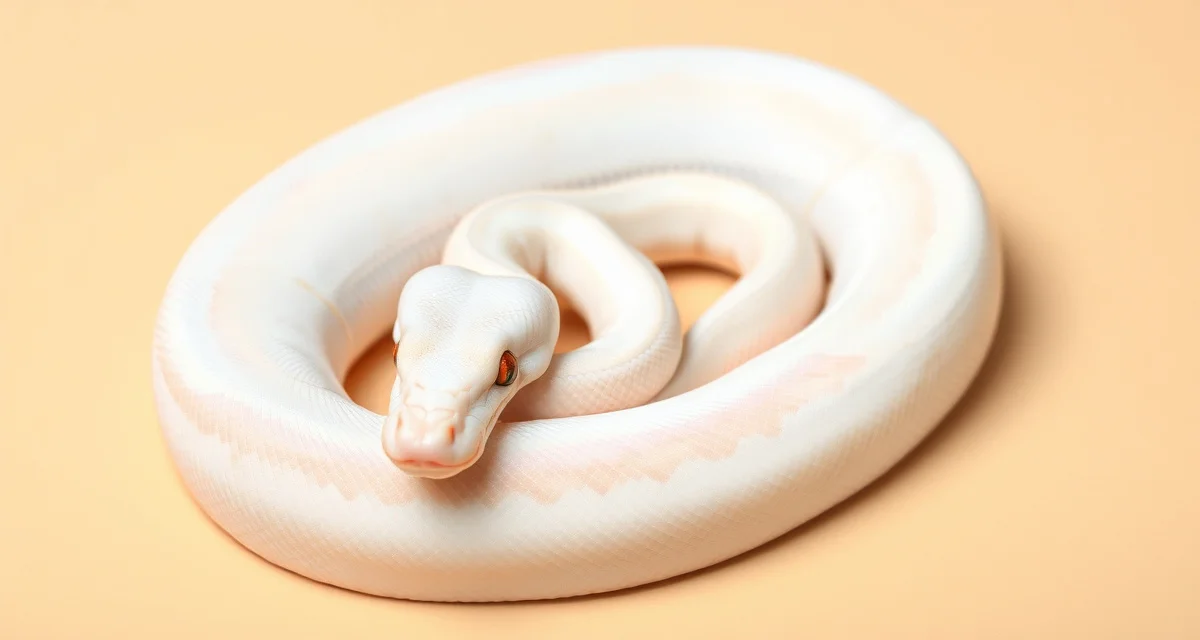
Albino Ball Python Breeding: Genetics, Combinations, and Market Value
By HatchLedger Editorial Team · Published 2025-06-08 · Updated Mar 13, 2026
Albino is one of the oldest and most established recessive mutations in the ball python hobby. It was among the first proved-out morphs in the captive collection, and decades of widespread breeding have made it broadly available while still maintaining its role as a valuable building block for more complex projects. Breeders using integrated software report 30% less time on administrative tasks, which matters when you're managing multi-year recessive projects that require careful documentation.
TL;DR
- Ball python breeding operations require systematic record-keeping from pre-season preparation through end-of-season sales.
- Females at 1,200-1,500g or more are the target weight before introducing them to a breeding male.
- Ovulation detection is the key event that anchors pre-lay shed and lay date calculations.
- Clutch profitability guide depends on understanding actual cost basis per animal, not just gross sale revenue.
- Well-documented animals with complete feeding histories and clear genetic records consistently sell faster and at higher prices.
How Albino Genetics Work
Albino is a simple recessive mutation affecting melanin production. Albino ball pythons lack the black and brown pigmentation that produces normal pattern coloration, leaving only the yellow and white pigments.
Classic visual characteristics:
- Bright yellow and white banding pattern
- Red or pink eyes (no melanin in the iris)
- No brown or black coloration anywhere on the body
Standard recessive inheritance:
- Albino x Normal: 100% het Albino (visually normal, all carrying one copy)
- het Albino x het Albino: 25% visual Albino, 50% het Albino, 25% Normal
- Albino x het Albino: 50% visual Albino, 50% het Albino
Since het Albinos are visually identical to normals, proving het status requires either test pairings or documented parentage from verified animals.
Multiple Albino Strains: An Important Distinction
Unlike some morphs, "Albino" actually encompasses multiple distinct strains that arose independently in captivity. The main strains you'll encounter:
- Type 1 (Classic Albino): The most common strain. What most people mean when they say "Albino."
- Lavender Albino: A separate strain that lacks melanin but has a different genetic origin. Lavender Albinos have a purple-lavender background with orange-yellow pattern rather than the bright yellow-white of classic Albino.
- Caramel Albino: Another distinct strain with different coloration characteristics.
Critically: These strains are not allelic to each other. This means that a het Classic Albino and a het Lavender Albino paired together will NOT produce any visual Albinos, because the animals are carrying different mutations that affect different genes. This is a common source of confusion and is worth understanding clearly before buying het animals.
When purchasing het Albinos, clarify which strain the het is for. When selling, specify the strain. This is not a minor distinction - it fundamentally affects what offspring your pairing will produce.
Most Commercially Valuable Albino Combinations
Albino is a strong foundational morph in many projects because it removes melanin in a visually dramatic way that highlights the pattern improvements of co-dominant morphs.
Albino Pastel: The Pastel brightens and intensifies the Albino's yellows. One of the most classic and reliably sellable morph combinations.
Albino Pied (Albino Piebald): Two recessives combined - the white sections of the Pied pattern contrast dramatically with the bright yellow Albino colored sections. Among the most visually striking and valuable ball pythons regularly produced.
Albino Clown: Another double-recessive combination. Produces very high-value animals. Requires both parents to be het for both morphs (double het animals) or to have at least one parent visual for one of the morphs.
Albino Spider: The Albino pattern on a Spider background. Remember the neurological wobble disclosure requirements with Spider.
Super Blast (Super Pastel Albino): Super Pastel on an Albino background creates an extremely bright, nearly fluorescent animal.
Planning Double Recessive Albino Projects
Double recessive projects (Albino Pied, Albino Clown, etc.) require both parents to carry both genes. When producing offspring:
From two double-het parents (het Albino het Pied x het Albino het Pied):
- 1/16 (6.25%) visual Albino Pied
- 3/16 visual Pied, possible het Albino
- 3/16 visual Albino, possible het Pied
- 9/16 normal-looking animals, possible het for one or both
These ratios mean you need to produce large clutch numbers to reliably hit the target combination. This is why experienced breeders who focus on double recessive projects keep large numbers of documented hets and run multiple clutches per season.
Tracking Albino Genetics Carefully
Because het Albinos and normals are visually identical, and because multiple Albino strains exist, documentation is critical. Every Albino-related animal in your collection needs:
- Confirmed morph or het status
- Which strain of Albino (if relevant)
- Documented parentage
Track all of this in HatchLedger's genetics management system where each animal's record is connected to its parents. When you sell het Albinos, buyers need to be able to verify the strain and parentage chain. For tools that support this level of genetics documentation, see the reptile breeder software comparison.
Frequently Asked Questions
What is the best approach to Albino ball python breeding combinations?
Plan your Albino combinations around what the market wants and what your current animals can produce efficiently. Albino Pied and Albino Clown are consistently high-value targets but require multi-year double-het projects. Albino Pastel is achievable faster and sells reliably. Always clarify which Albino strain you're working with before purchasing hets or planning pairings - mixing strains from different genetic origins will produce no visual Albinos.
How do professional breeders handle Albino ball python genetics documentation?
Experienced Albino breeders maintain documented parentage for every het in their collection, specifying the strain. When selling hets, they provide proof of lineage rather than relying on the buyer's trust. For double-het projects, they track which animals are confirmed double hets versus possible single hets so they know which animals are most valuable for breeding toward the target combination.
What software helps manage ball python Albino genetics and strain records?
HatchLedger is purpose-built for reptile breeders, connecting animal records, breeding history, clutch outcomes, and financial tracking in one system. Unlike generic spreadsheets, it's designed around the specific workflow of an active breeding season. Free for up to 20 animals.
What records should every reptile breeder maintain per animal?
At minimum: acquisition date and source, morph and genetic documentation, feeding log, weight history, any veterinary treatments, and breeding history including pairing dates, clutch of origin for captive-bred animals, and offspring records. These records serve your own management, buyer documentation, regulatory compliance, and long-term genetic tracking.
How should reptile breeders document genetics for buyers?
A complete genetic record for sale includes the animal's visual morph name, confirmed het genes and their basis (parentage documentation or proven-out production), possible het genes with probability percentages, hatch date, and parent morph information. Including clutch-of-origin records lets buyers independently verify the claims.
What is Albino Ball Python Breeding: Genetics, Combinations, and Market Value?
Albino ball python breeding involves working with one of the oldest recessive mutations in the hobby. Albino pythons lack black and brown melanin pigmentation, displaying striking yellow and white coloration instead. This guide covers the genetics behind the albino mutation, how to combine it with other morphs to produce high-value offspring, documentation best practices, and how to evaluate clutch profitability. It's an essential resource for breeders managing multi-year recessive projects.
How much does Albino Ball Python Breeding: Genetics, Combinations, and Market Value cost?
Albino ball pythons vary widely in price depending on genetic combinations. A standard visual albino may sell for $100–$300, while albino combos paired with other recessive or co-dominant morphs can fetch $500–$2,000 or more. Rarer multi-gene combinations command premium prices. Understanding your actual cost basis per animal—including feeding, housing, and time—is critical to evaluating whether a clutch is profitable beyond just gross sale revenue.
How does Albino Ball Python Breeding: Genetics, Combinations, and Market Value work?
Albino breeding works by pairing two animals that each carry one copy of the recessive albino gene. When two het albinos are bred together, offspring have a 25% chance of being visual albinos. Breeders track ovulation events to predict pre-lay shed and lay dates, then document clutch outcomes carefully. Females should reach 1,200–1,500g before breeding, and systematic record-keeping ensures accurate genetic tracking across multi-season projects.
What are the benefits of Albino Ball Python Breeding: Genetics, Combinations, and Market Value?
Albino is one of the most versatile building blocks in ball python breeding. Its clean expression enhances the visual impact of nearly every morph it's combined with. Well-documented animals with clear genetic records and complete feeding histories sell faster and at higher prices. Albino's widespread availability also makes het albinos accessible for breeders at any level, lowering the barrier to entry for working with recessive mutation projects.
Who needs Albino Ball Python Breeding: Genetics, Combinations, and Market Value?
Anyone interested in ball python genetics, from hobbyist breeders producing their first clutch to experienced breeders running multi-morph projects, benefits from understanding albino breeding. It's especially relevant for breeders building toward high-value combo morphs, managing breeding records across multiple females, or trying to improve clutch profitability. Breeders using integrated tracking software report spending 30% less time on admin, making systematic documentation worthwhile at any scale.
How long does Albino Ball Python Breeding: Genetics, Combinations, and Market Value take?
Albino ball python breeding is a multi-year commitment. Females must reach target weight before their first breeding season, and a single breeding cycle—from pairing through egg incubation—takes roughly six to eight months. Producing a specific combo morph involving two or more recessives can take two to three generations, often spanning four to six years. Careful documentation from the start ensures breeders can track progress and make informed pairing decisions each season.
Related Articles
- Ball Python Cinnamon Morph Breeding Guide: Genetics, Combos, and What to Expect
- Ball Python Clown Morph Breeding Guide: Recessive Genetics and Top Combos
Sources
- USARK (United States Association of Reptile Keepers)
- Association of Reptilian and Amphibian Veterinarians (ARAV)
- World of Ball Pythons (WoBP genetics reference database)
- MorphMarket (reptile industry marketplace)
- Reptiles Magazine (Bowtie Inc.)
Get Started with HatchLedger
Every part of a ball python breeding operation -- from pairing records to clutch documentation to financial tracking -- works better when the data is connected rather than scattered across notebooks and spreadsheets. HatchLedger is built for exactly that. Try it free with up to 20 animals.