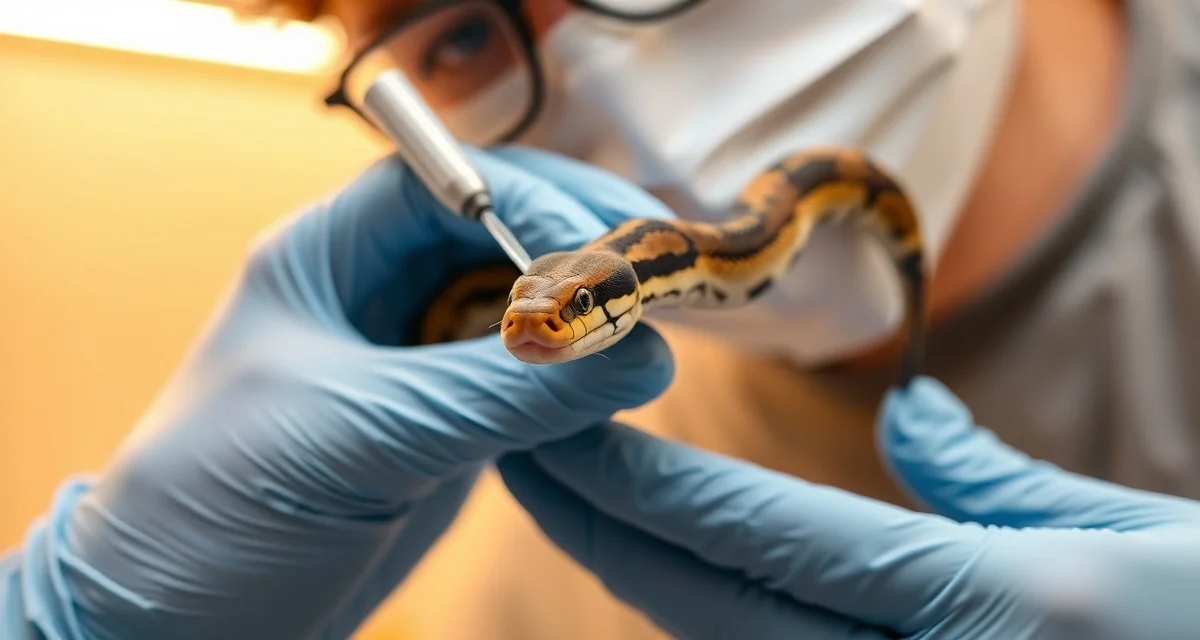
Mite Treatment in Ball Pythons Without Disrupting Breeding Season
By HatchLedger Editorial Team · Published 2025-06-12 · Updated Mar 13, 2026
Discovering mites in your collection is stressful at any time of year. During breeding season, it's especially disruptive because you're managing active pairings, gravid females, and incubating eggs - all of which complicate the treatment and isolation processes mite eradication requires. Breeders using integrated software report 30% less time on administrative tasks, which means more attention available for the intensive management a mite outbreak requires.
TL;DR
- Ball python breeding operations require systematic record-keeping from pre-season preparation through end-of-season sales.
- Females at 1,200-1,500g or more are the target weight before introducing them to a breeding male.
- Ovulation detection is the key event that anchors pre-lay shed and lay date calculations.
- Clutch profitability guide depends on understanding actual cost basis per animal, not just gross sale revenue.
- Well-documented animals with complete feeding histories and clear genetic records consistently sell faster and at higher prices.
Identifying Mites
Snake mites (Ophionyssus natricis) are tiny - about the size of a poppy seed - and typically dark brown or black. They move visibly on the snake's body, particularly around the head, eye area, and in skin folds. Other signs:
- Unusual soaking behavior (snakes soak to drown mites)
- Small dark moving specks on the snake or in the water bowl
- "Dust" or dark specks on your hands after handling
- Tiny red or rust-colored spots in the enclosure (engorged mites that have fed)
- Restlessness or increased activity in an otherwise calm animal
Mites don't only live on the snake. They also inhabit the enclosure, hide in substrate, water bowls, and any porous materials.
Why Breeding Season Complicates Treatment
Mite treatment during active breeding season creates specific challenges:
Gravid females: Chemical treatments must be evaluated carefully for use on gravid animals. Some mite treatments may not be appropriate for use on females with developing eggs. Consult a reptile vet before treating gravid animals.
Incubating eggs: Some treatments are not safe to use near an active incubator or should not come into contact with incubating eggs.
Male breeding condition: Males that are actively working and off feed are already stressed. A mite infestation and subsequent treatment adds to that stress load.
Spread risk: Mites spread easily. If one animal has them, check every animal in the room. Breeding introductions mean any animal from a different enclosure could have spread mites before you detected them.
Treatment Options
ProVent-A-Mite (PAM): A spray treatment applied to the enclosure (not directly to the animal) that kills mites through contact. One of the most widely used products in the ball python hobby. Follow label directions precisely. Allow full dry time before returning animals.
Veterinary-prescribed treatments: A reptile vet may prescribe ivermectin injections or other treatments for severe infestations or for animals where environmental treatment alone is insufficient. Especially for gravid animals or very high-value breeding stock, veterinary consultation is the safest path.
Nix (permethrin): Some breeders use very dilute permethrin solutions for direct application to snakes. If using this approach, research concentration carefully - permethrin can be toxic at improper doses and should not be used near incubating eggs.
Taurrus predatory mites: A biological control option where predatory mites that eat snake mites are introduced to infested areas. Used by some breeders who prefer to avoid chemical treatments entirely. More of a maintenance tool than an acute treatment.
Step-by-Step Treatment Protocol
- Identify all affected animals. Examine every animal in the space.
- Remove animals from enclosures. Place them temporarily in clean containers with paper towel substrate while enclosures are treated.
- Treat enclosures. Clean thoroughly, then apply your chosen product to enclosure surfaces. Follow all safety guidelines.
- Treat animals. If treating animals directly, use appropriate dilution and avoid the face and eyes.
- Dispose of all substrate. Mites hide in substrate. Replace it completely.
- Treat the room. Mites can survive off the animal in cracks, seams, and surfaces. Treat the floor, shelving edges, and any crevices.
- Repeat in 7-10 days. Mite eggs may survive an initial treatment. A second treatment kills newly hatched mites before they can reproduce.
- Monitor for 4-6 weeks. Check animals regularly to confirm no reinfestation.
Preventing Reinfestation
Mites most commonly enter collections through:
- New animals not properly quarantined
- Used equipment purchased secondhand
- Exposure to other animals at expos or shows
Proper quarantine for every new animal is your best prevention (see the quarantine protocol article). Used equipment should be thoroughly cleaned and treated before use. Be cautious at events where your animals are near other breeders' animals.
Log every mite incident - when detected, which animals affected, treatment applied, and when cleared - in HatchLedger's health records. Pattern detection across seasons can reveal whether your prevention protocols are working or where re-entry is occurring. For more on record-keeping tools, see the reptile breeder software comparison.
Frequently Asked Questions
What is the best approach to treating ball python mites during breeding season?
Act immediately when you detect mites - don't wait to see how bad it gets. Check every animal in the space, not just the ones where you first noticed mites. Treat the enclosures and the room, not just the animal. Use a veterinarian-approved approach for gravid females. Repeat treatment in 7-10 days to catch any newly hatched mites from surviving eggs. Log the incident and monitor for 4-6 weeks after clearance.
How do professional breeders handle mite outbreaks in their breeding collections?
Experienced breeders respond to mite detection with immediate, collection-wide assessment and treatment rather than hoping the problem stays contained. They typically have a treatment protocol they've tested before a breeding season emergency - knowing what products are on hand and how to use them prevents delay. After clearing an infestation, they review their quarantine and prevention protocols to identify how mites entered and close that pathway.
What software helps manage ball python mite treatment records?
HatchLedger is purpose-built for reptile breeders, connecting animal records, breeding history, clutch outcomes, and financial tracking in one system. Unlike generic spreadsheets, it's designed around the specific workflow of an active breeding season. Free for up to 20 animals.
What records should every reptile breeder maintain per animal?
At minimum: acquisition date and source, morph and genetic documentation, feeding log, weight history, any veterinary treatments, and breeding history including pairing dates, clutch of origin for captive-bred animals, and offspring records. These records serve your own management, buyer documentation, regulatory compliance, and long-term genetic tracking.
How should reptile breeders document genetics for buyers?
A complete genetic record for sale includes the animal's visual morph name, confirmed het genes and their basis (parentage documentation or proven-out production), possible het genes with probability percentages, hatch date, and parent morph information. Including clutch-of-origin records lets buyers independently verify the claims.
What is Mite Treatment in Ball Pythons Without Disrupting Breeding Season?
Mite treatment in ball pythons without disrupting breeding season refers to a strategic approach to eliminating Ophionyssus natricis infestations while maintaining active pairings, monitoring gravid females, and protecting incubating clutches. Rather than halting all breeding activity, experienced keepers use targeted treatments, careful isolation protocols, and thorough enclosure cleaning to eradicate mites while minimizing stress to animals in critical reproductive stages. The goal is full eradication without sacrificing the season's breeding outcomes.
How much does Mite Treatment in Ball Pythons Without Disrupting Breeding Season cost?
Mite treatment itself is relatively low-cost — commercial snake mite sprays, provent-a-mite, and enclosure disinfectants typically run $15–$50 total. However, the real cost is time and potential lost breeding opportunities. Replacing substrate, deep-cleaning enclosures, and isolating animals adds hours of labor. If a gravid female is significantly stressed, a missed or failed clutch can represent hundreds to thousands of dollars in lost hatchling sales depending on the genetics involved.
How does Mite Treatment in Ball Pythons Without Disrupting Breeding Season work?
Treatment works by breaking the mite life cycle across all life stages. Adult mites on the snake are killed using a vet-approved topical or spray treatment, while the enclosure is stripped, sanitized, and treated to eliminate eggs and larvae hiding in seams and substrate. Because mites can survive off the host, the surrounding rack or shelf area must also be treated. Repeat treatments 7–10 days apart are typically needed to catch newly hatched mites before they reproduce.
What are the benefits of Mite Treatment in Ball Pythons Without Disrupting Breeding Season?
Treating mites during breeding season — rather than waiting — protects female health at a critical time when body condition directly affects clutch size and egg quality. It prevents mites from spreading to the entire collection while pairings are ongoing. Addressing the infestation promptly reduces stress-related feeding refusals and dysecdysis, both of which can derail breeding progress. Maintaining detailed treatment records also helps breeders track outbreak sources and prevent recurrence in future seasons.
Who needs Mite Treatment in Ball Pythons Without Disrupting Breeding Season?
Any ball python keeper running an active breeding program who discovers mites needs this approach — particularly those with multiple animals in close proximity like rack systems, where mites spread rapidly. Breeders with gravid females or eggs already incubating are most at risk from standard aggressive isolation protocols and benefit most from a breeding-aware treatment strategy. New breeders who recently acquired animals are especially vulnerable, as mites are commonly introduced through new stock without proper quarantine.
How long does Mite Treatment in Ball Pythons Without Disrupting Breeding Season take?
A full mite eradication cycle typically takes 3–4 weeks when done correctly. The first treatment targets live mites on the snake and in the enclosure. A second treatment 7–10 days later catches any newly hatched nymphs. Monitoring continues for another 1–2 weeks to confirm no reinfestation. During breeding season this timeline must be layered carefully around ovulation windows, pre-lay sheds, and expected lay dates to avoid interfering with the female's reproductive cycle.
Related Articles
- Spider Morph Wobble in Ball Pythons: Breeding Ethics and Practical Considerations
- When Ball Python Males Go Off Feed During Breeding Season
Sources
- USARK (United States Association of Reptile Keepers)
- Association of Reptilian and Amphibian Veterinarians (ARAV)
- World of Ball Pythons (WoBP genetics reference database)
- MorphMarket (reptile industry marketplace)
- Reptiles Magazine (Bowtie Inc.)
Get Started with HatchLedger
Every part of a ball python breeding operation -- from pairing records to clutch documentation to financial tracking -- works better when the data is connected rather than scattered across notebooks and spreadsheets. HatchLedger is built for exactly that. Try it free with up to 20 animals.