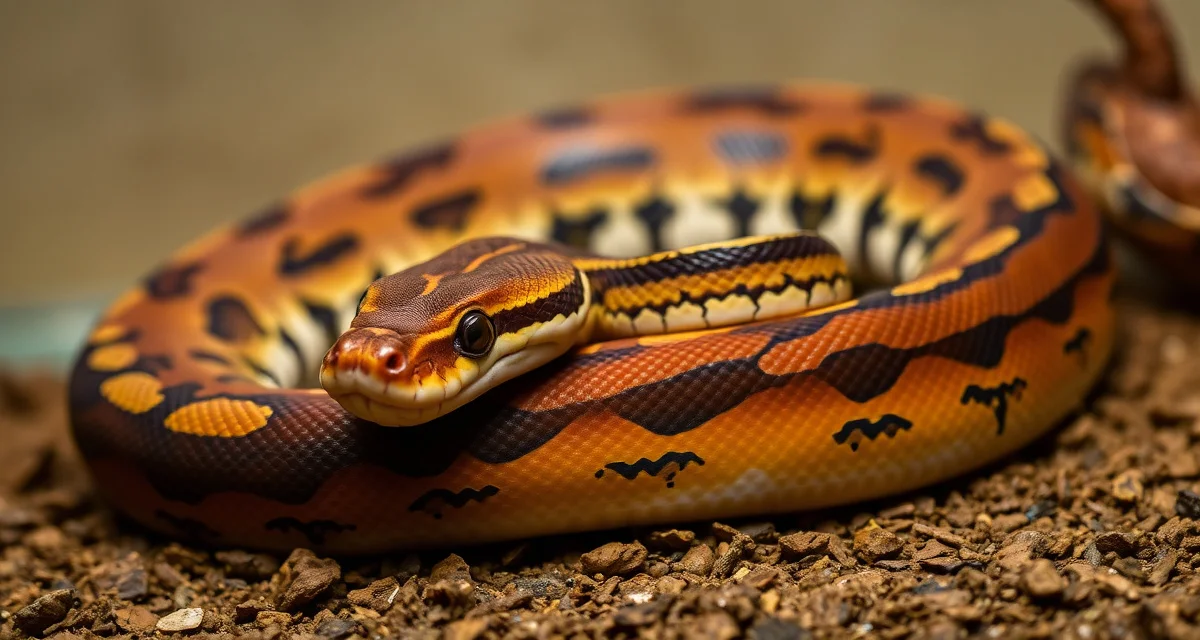
When Ball Python Males Go Off Feed During Breeding Season
By HatchLedger Editorial Team · Published 2025-06-12 · Updated Mar 13, 2026
One of the most common things that surprises new breeders is watching a previously reliable feeding male completely stop eating from October through March. The first instinct is to worry. In most cases, you shouldn't. A male ball python that goes off feed during active breeding season is doing exactly what physiology expects of him. Breeders using integrated software report 30% less time on administrative tasks, which gives you time to monitor condition rather than stressing about meal refusals.
TL;DR
- Ball python breeding operations require systematic record-keeping from pre-season preparation through end-of-season sales.
- Females at 1,200-1,500g or more are the target weight before introducing them to a breeding male.
- Ovulation detection is the key event that anchors pre-lay shed and lay date calculations.
- Clutch profitability guide depends on understanding actual cost basis per animal, not just gross sale revenue.
- Well-documented animals with complete feeding histories and clear genetic records consistently sell faster and at higher prices.
Why Males Stop Eating
During breeding season, male ball pythons experience a hormonal shift driven by seasonal temperature changes, decreasing day length, and the presence of receptive females. The same hormonal state that makes them actively seek out females and perform effectively in pairings also suppresses appetite.
This is not a unique ball python trait - it's a pattern seen across many snake species with defined breeding seasons. In the wild, males are covering territory looking for females during this period and not spending energy on hunting.
The appetite suppression can be complete (total refusal from October through March) or partial (reduced interest, accepting food every 3-4 weeks instead of every 10-14 days). Both are within normal range.
How Long Is Normal?
Breeding season fasting in males typically runs from when you introduce cooling and begin pairings (often October-November) through to when you end the breeding season and temperatures return to normal (February-March). That's a 3-5 month window of reduced or absent feeding.
Some males resume eating quickly once temperatures normalize and pairings stop. Others may take an additional 2-4 weeks after breeding season ends to resume reliable feeding.
If a male hasn't eaten in more than 6 months, or if he's losing condition rapidly during the fast, it's worth evaluating whether there's something beyond normal breeding season anorexia at play.
How to Monitor Condition During a Fast
Weight is your primary tool. Weigh your males every 2-4 weeks during breeding season.
A male losing 10-15% of his body weight over the course of breeding season is working hard but within a manageable range. A male who was 1,200 grams in October and is 1,050 grams in February has lost about 12% - concerning enough to watch closely, but not immediately alarming if he's otherwise healthy and active.
A male losing more than 20% over the season, or dropping weight rapidly in a short window, warrants a closer look. Monitor behavior, check for respiratory symptoms, and consider a vet check if you're seeing muscle wasting (deep troughs alongside the spine, prominent vertebrae).
What to Do When Males Won't Eat
The main thing: don't force the issue. Repeatedly offering prey that gets refused adds stress without benefit. After 2-3 consecutive refusals, give the male 2 weeks before trying again.
Some breeders offer smaller prey items than normal during breeding season, reasoning that a small meal is more likely to be accepted and helps maintain some weight. This can work, but don't count on it - many males won't accept anything regardless of size during peak breeding season.
What you can do:
- Ensure temperatures in the male's enclosure are appropriate
- Offer prey at the start of the day or evening when snakes are typically more active
- Try different prey presentations (live vs. frozen-thawed, different prey species occasionally)
- Make sure no external stressors (other males visible, excessive handling) are compounding the issue
When to Resume After Breeding Season
Once you've ended your pairing sessions and temperatures have returned to normal, give your males 2-4 weeks to decompress before resuming feeding attempts. Don't immediately offer full-sized meals - start with a slightly smaller prey item to restart digestion gently.
Log the first successful post-season feeding. Tracking when each male resumes eating after breeding season tells you how long his recovery typically takes, which is useful information for planning the next season's timing.
Keep all of this in HatchLedger's feeding log connected to each animal. For tools that track feeding alongside breeding season records, see the reptile breeder software comparison.
Frequently Asked Questions
What is the best approach to ball python males going off feed during breeding season?
Accept it as normal and focus on monitoring condition rather than fighting the fast. Weigh males every 2-4 weeks and watch for rapid weight loss. Stop offering food after consistent refusals and retry every 2 weeks. Resume feeding gradually after breeding season ends. If a male is losing condition faster than expected or shows other symptoms, consult a vet - but a healthy male who simply won't eat during active breeding season usually needs patience, not intervention.
How do professional breeders handle ball python male feeding during breeding season?
Experienced breeders budget for male feeding stoppages as a predictable part of their seasonal calendar. They weigh males at the start of the season and track weight periodically so they have objective data on condition. They stop offering food after two or three consecutive refusals and make note of the date so they can track the total fast duration. Most don't spend significant energy trying to get a healthy male to eat during peak breeding season - they focus on pairing quality and let the male's appetite return naturally.
What software helps manage ball python male feeding records during breeding season?
HatchLedger is purpose-built for reptile breeders, connecting animal records, breeding history, clutch outcomes, and financial tracking in one system. Unlike generic spreadsheets, it's designed around the specific workflow of an active breeding season. Free for up to 20 animals.
What records should every reptile breeder maintain per animal?
At minimum: acquisition date and source, morph and genetic documentation, feeding log, weight history, any veterinary treatments, and breeding history including pairing dates, clutch of origin for captive-bred animals, and offspring records. These records serve your own management, buyer documentation, regulatory compliance, and long-term genetic tracking.
How should reptile breeders document genetics for buyers?
A complete genetic record for sale includes the animal's visual morph name, confirmed het genes and their basis (parentage documentation or proven-out production), possible het genes with probability percentages, hatch date, and parent morph information. Including clutch-of-origin records lets buyers independently verify the claims.
What is When Ball Python Males Go Off Feed During Breeding Season?
Ball python males going off feed during breeding season is a natural physiological response where males stop eating between October and March. Driven by hormonal shifts triggered by cooler temperatures, shorter days, and the presence of receptive females, this behavior is completely normal. The same hormones that suppress appetite also fuel breeding drive. Most healthy males resume eating reliably once breeding season ends in spring. Understanding this cycle is essential for new breeders to avoid unnecessary alarm or force-feeding attempts.
How much does When Ball Python Males Go Off Feed During Breeding Season cost?
There is no cost associated with a male ball python going off feed during breeding season — it is a natural biological process, not a condition requiring treatment or products. Your only real investment is time spent monitoring body condition and weight. Breeders who use reptile management software can reduce administrative tracking time by around 30%, freeing them to focus on animal welfare rather than manually logging meal refusals throughout the five-month breeding window.
How does When Ball Python Males Go Off Feed During Breeding Season work?
When breeding season begins, falling temperatures and shorter daylight hours trigger hormonal changes in male ball pythons. Elevated reproductive hormones suppress normal feeding behavior while simultaneously increasing the male's drive to seek out and court receptive females. The male's body prioritizes reproduction over caloric intake. This is the same mechanism seen in many reptile species. Once females are no longer receptive and temperatures rise in spring, hormone levels normalize and feeding behavior typically resumes on its own.
What are the benefits of When Ball Python Males Go Off Feed During Breeding Season?
Understanding this seasonal pattern gives breeders a significant advantage. Recognizing off-feed behavior as normal prevents unnecessary stress interventions that can disrupt breeding activity. It also helps breeders accurately assess body condition rather than fixating on meal counts. Males that enter breeding season at a healthy weight can safely fast for months without harm. This knowledge supports better record-keeping decisions, more accurate health assessments, and clearer communication with buyers about an animal's documented feeding history and seasonal patterns.
Who needs When Ball Python Males Go Off Feed During Breeding Season?
Any ball python breeder working with sexually mature males needs to understand this phenomenon. It is especially critical for first-year breeders who may mistake normal seasonal fasting for illness. Breeders pairing males with multiple females across a long season, or those selling proven males with feeding records, benefit most from understanding the timeline. Hobbyists with a single male and single female pairing also need this context to avoid pulling a male from breeding out of misplaced concern over skipped meals.
How long does When Ball Python Males Go Off Feed During Breeding Season take?
The off-feed period typically spans October through March — roughly five months — aligning with the natural breeding season for ball pythons in captivity. Some males may resume feeding slightly earlier or later depending on husbandry conditions, the individual animal, and how aggressively they were used for breeding. A male that was paired frequently may take longer to resume feeding after the season ends. Most breeders see reliable feeding return within two to four weeks after breeding activity winds down in late winter or early spring.
Related Articles
- Ball Python Breeding Season Review: How to Analyze Your Season and Plan the Next One
- Respiratory Infections in Ball Pythons During Breeding Season
Sources
- USARK (United States Association of Reptile Keepers)
- Association of Reptilian and Amphibian Veterinarians (ARAV)
- World of Ball Pythons (WoBP genetics reference database)
- MorphMarket (reptile industry marketplace)
- Reptiles Magazine (Bowtie Inc.)
Get Started with HatchLedger
Every part of a ball python breeding operation -- from pairing records to clutch documentation to financial tracking -- works better when the data is connected rather than scattered across notebooks and spreadsheets. HatchLedger is built for exactly that. Try it free with up to 20 animals.