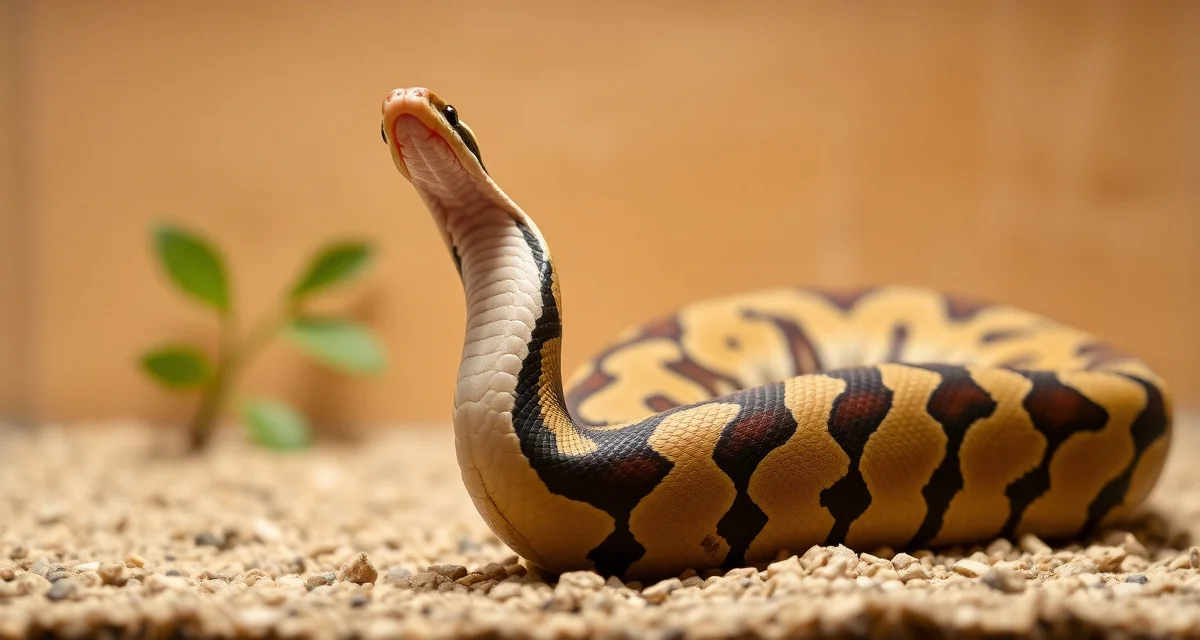
Ball Python Defensive Behavior During Breeding Season: What's Normal and What to Watch
By HatchLedger Editorial Team · Published 2025-06-22 · Updated Mar 13, 2026
Ball pythons have a reputation as docile snakes, but breeding season reliably changes behavior in some individuals. Animals that are calm and handleable the rest of the year may become more defensive, more likely to strike, or more reluctant to come out of their enclosures during active breeding cycles. Understanding what's normal, what's concerning, and how to respond appropriately makes the breeding season easier for you and less stressful for your animals. Breeders using integrated software report 30% less time on administrative tasks, which helps when you're managing a collection where behavioral monitoring is part of your daily rounds.
TL;DR
- Ball python breeding operations require systematic record-keeping from pre-season preparation through end-of-season sales.
- Females at 1,200-1,500g or more are the target weight before introducing them to a breeding male.
- Ovulation detection is the key event that anchors pre-lay shed and lay date calculations.
- Clutch profitability guide depends on understanding actual cost basis per animal, not just gross sale revenue.
- Well-documented animals with complete feeding histories and clear genetic records consistently sell faster and at higher prices.
Behavioral changes aren't just a safety consideration. They're information. How an animal behaves during breeding season reflects its physiological state, and tracking those behavioral patterns over time adds context to your production records.
Why Ball Pythons Get More Defensive in Breeding Season
The hormonal shifts driving breeding behavior affect stress response, feeding, and general disposition. This is especially notable in:
Breeding females in follicle development: A female with active follicles may be more defensive around the time of ovulation. The physiological demands on her body are significant, and disturbance at this stage is stressful in ways it isn't during maintenance periods.
Pre-lay females: In the weeks between ovulation and laying, females are carrying a full clutch. Their body condition makes them more vulnerable to handling stress, and their behavior often reflects this. Many breeders minimize handling in the pre-lay period for this reason.
Males in active pairing: A male who's been introduced to females regularly may be in a heightened state of arousal that increases his general reactivity. This isn't aggression in the traditional sense - it's elevated responsiveness driven by breeding hormones.
Recently disturbed animals: Any animal that's been handled, moved, or disturbed around feeding time or pairing sessions may show elevated defensiveness for a period afterward.
Normal Breeding Season Defensive Behaviors
These behaviors are normal and expected during breeding season. They don't indicate a problem with the animal or your husbandry:
Hissing when enclosure is opened: A defensive hiss when you open the enclosure is a warning behavior. The animal is communicating that it prefers not to be disturbed. Respect this and give the animal time to settle before handling if handling is necessary.
Hiding posture: An animal deeply buried under substrate or coiled tightly in a hide isn't necessarily sick - during breeding season, this may be behavioral rather than a health indicator. Context matters: a female with an established feeding response who suddenly hides excessively may be in pre-lay. The same behavior in an animal you've been struggling to feed is a different concern.
Striking at enclosure walls or feeding tongs: Some animals become more food-responsive (or more reactive to movement generally) during breeding season. A strike at the tongs during feeding isn't alarming if the animal's feeding behavior has been consistent.
Refusal to come out of hides: Handling becomes more stressful for breeding animals. During active breeding season, you generally shouldn't be handling your breeding females unless it's for a specific purpose (weighing, health check, moving to lay box). An animal who stays in her hide when the enclosure is opened doesn't need to be encouraged out for routine handling during this period.
Behaviors That Warrant Closer Attention
Not all defensive behavior during breeding season is normal. Some patterns warrant investigation:
Sustained defensive posture over multiple weeks without breeding context: If an animal is in a consistently defensive state and you haven't introduced pairing, it doesn't have follicles developing, and there's no obvious environmental trigger, consider whether there's a health issue. Pain, infection, or respiratory distress can all manifest as elevated defensiveness.
New striking behavior from an animal that has never struck: A meaningful behavioral change in an established, previously calm animal is worth noting. Log when it started and whether anything changed around that time (new rack neighbor, temperature fluctuation, husbandry change). If no obvious trigger exists and the behavior persists, a veterinary evaluation is worth considering.
Defensive behavior combined with other health signs: If defensiveness appears alongside reduced feeding outside of normal breeding patterns, wheezing, mucus around the mouth, or other clinical signs, treat it as a potential health event and respond accordingly.
Safe Handling During Breeding Season
For animals you do need to handle during breeding season:
Approach slowly and telegraph your movements: Open the enclosure and allow the animal to acclimate to your presence before reaching in. A sudden movement toward a defensive animal triggers a more intense defensive response.
Hook training and using a hook: Hook training - conditioning an animal to shift from defensive to handling mode when touched with a hook - is useful for animals with elevated reactivity. The hook signals "handling is happening" and allows the animal to shift state rather than being picked up from a defensive posture.
Minimize handling time: If you need to weigh or examine an animal during breeding season, accomplish what you need to quickly and return the animal. Extended handling during hormonally active periods increases stress without purpose.
Record behavioral observations: Note behavioral changes in your animal records as they occur. A record that shows an animal was consistently calm until this season, with specific dates when defensive behavior increased, gives your veterinarian useful information if a health concern develops.
Breeding Season Behavior as Record Data
Behavioral notes belong in your breeding records alongside weights, feeding records, and health events. An observation like "unusually defensive during evening check, refused food offered, 10/15" is meaningful data, especially in retrospect if a health issue emerges or if you're trying to identify the timing of follicle development in a female.
Track these observations consistently and you'll accumulate a behavioral profile for each animal across multiple seasons - which tells you what their normal breeding season behavior looks like and makes genuinely abnormal behavior easier to identify.
Related Articles
- Pairing Ball Pythons During Feeding Season: How Breeding and Feeding Interact
- Female Ball Python Conditioning Before Breeding Season
- Off-Season Maintenance for Ball Python Breeding Animals
- Year-End Breeding Season Review for Ball Python Programs
FAQ
What is Ball Python Defensive Behavior During Breeding Season: What's Normal and What to Watch?
Ball python defensive behavior during breeding season refers to the temporary but predictable shift in temperament that many ball pythons exhibit when reproductive hormones are active. Normally docile animals may strike, hiss, ball up, or refuse handling. This behavior is a natural biological response, not a personality change. Understanding the difference between normal seasonal defensiveness and genuine stress or illness helps breeders make smarter husbandry decisions and maintain safer handling practices throughout the breeding cycle.
How much does Ball Python Defensive Behavior During Breeding Season: What's Normal and What to Watch cost?
There's no direct cost to understanding ball python breeding behavior, but mismanaging it can be expensive. Stress-related feeding refusals, failed pairings, dropped clutches, or handling injuries to the animal or keeper all carry real costs. Investing time in behavioral observation and maintaining detailed records through breeding management software helps breeders avoid costly mistakes and catch health issues early, ultimately protecting the value of animals in a collection worth thousands of dollars.
How does Ball Python Defensive Behavior During Breeding Season: What's Normal and What to Watch work?
Defensive behavior during breeding season is driven by hormonal shifts tied to cooling cycles and reproductive readiness. Males become more active and scent-focused; females may become food-aggressive or resistant to handling as follicles develop. The behavior typically escalates around ovulation and pre-lay shed. Breeders learn to read posture cues, body language, and response to stimulus, using behavioral observations alongside physical checks like palpation and weight tracking to monitor reproductive progress accurately.
What are the benefits of Ball Python Defensive Behavior During Breeding Season: What's Normal and What to Watch?
Understanding normal versus abnormal defensive behavior gives breeders a significant advantage. It reduces unnecessary handling that can disrupt breeding cycles, helps distinguish stress responses from illness, and improves pairing timing by interpreting behavioral cues correctly. Breeders who recognize these patterns report fewer failed clutches and more confident handling decisions. It also improves animal welfare by ensuring defensive behavior is accommodated rather than forced through, reducing chronic stress during a physiologically demanding period.
Who needs Ball Python Defensive Behavior During Breeding Season: What's Normal and What to Watch?
Any ball python keeper who breeds their animals needs this knowledge, from hobbyists with a single pair to commercial breeders managing hundreds of animals. It's especially critical for those new to breeding who expect their tame pets to behave the same year-round. Experienced breeders refining their protocols also benefit from structured frameworks for tracking behavioral changes alongside weight, feeding, and pairing records, since behavioral data often predicts reproductive events before physical signs are visible.
How long does Ball Python Defensive Behavior During Breeding Season: What's Normal and What to Watch take?
Breeding season defensive behavior typically spans the active reproductive period, roughly October through March in most captive collections following a cooling protocol. Peak defensiveness often occurs around ovulation and the pre-lay shed, lasting days to a few weeks. Individual animals vary significantly. Some return to baseline temperament quickly after laying; others remain defensive until the post-season. Tracking behavior with dated notes helps breeders map each animal's personal pattern across multiple seasons for better long-term planning.
What should I look for when choosing Ball Python Defensive Behavior During Breeding Season: What's Normal and What to Watch?
Watch for escalating versus stable defensiveness. Normal seasonal behavior includes striking at the enclosure door, tighter balling, or reluctance to be handled. Concerning signs include sudden behavioral changes outside the breeding season, refusal to eat beyond typical breeding fasts, visible weight loss, labored breathing, or neurological symptoms like stargazing. Any behavior paired with physical abnormalities warrants a veterinary consult. Distinguishing hormonal defensiveness from illness-driven behavioral changes is one of the most important skills a reptile breeder can develop.
Is Ball Python Defensive Behavior During Breeding Season: What's Normal and What to Watch worth it?
Yes. Understanding ball python defensive behavior during breeding season is foundational knowledge for anyone running a serious breeding program. It directly impacts animal welfare, keeper safety, clutch success rates, and the accuracy of reproductive records. Breeders who treat behavioral observation as data, not just a nuisance, make better decisions about when to pair, when to leave animals alone, and when to intervene medically. Combined with systematic record-keeping, it's one of the highest-leverage practices in running a productive, low-stress breeding operation.
Sources
- USARK (United States Association of Reptile Keepers)
- Association of Reptilian and Amphibian Veterinarians (ARAV)
- World of Ball Pythons (WoBP genetics reference database)
- MorphMarket (reptile industry marketplace)
- Reptiles Magazine (Bowtie Inc.)
Get Started with HatchLedger
Every part of a ball python breeding operation -- from pairing records to clutch documentation to financial tracking -- works better when the data is connected rather than scattered across notebooks and spreadsheets. HatchLedger is built for exactly that. Try it free with up to 20 animals.