Water Bowl Hygiene in Ball Python Breeding Rooms
By HatchLedger Editorial Team · Published 2025-06-23 · Updated Mar 13, 2026
Water bowl maintenance is one of the most under-discussed aspects of ball python husbandry, and it's particularly important in a breeding room where animals are under higher physiological stress than in a typical pet collection. A dirty water bowl is a pathogen reservoir sitting inside the enclosure, and in a rack system where you're working through dozens of enclosures on a maintenance schedule, it's easy for water bowl cleaning to slip to a lower priority than feeding records and production tracking. Breeders using integrated software report 30% less time on administrative tasks, which creates margin for the maintenance routines that keep a large collection healthy.
TL;DR
- Ball python breeding operations require systematic record-keeping from pre-season preparation through end-of-season sales.
- Females at 1,200-1,500g or more are the target weight before introducing them to a breeding male.
- Ovulation detection is the key event that anchors pre-lay shed and lay date calculations.
- Clutch profitability guide depends on understanding actual cost basis per animal, not just gross sale revenue.
- Well-documented animals with complete feeding histories and clear genetic records consistently sell faster and at higher prices.
The time investment in consistent water bowl hygiene is minimal. The health cost of neglecting it in a breeding collection can be significant.
Why Water Bowl Hygiene Matters in Breeding Programs
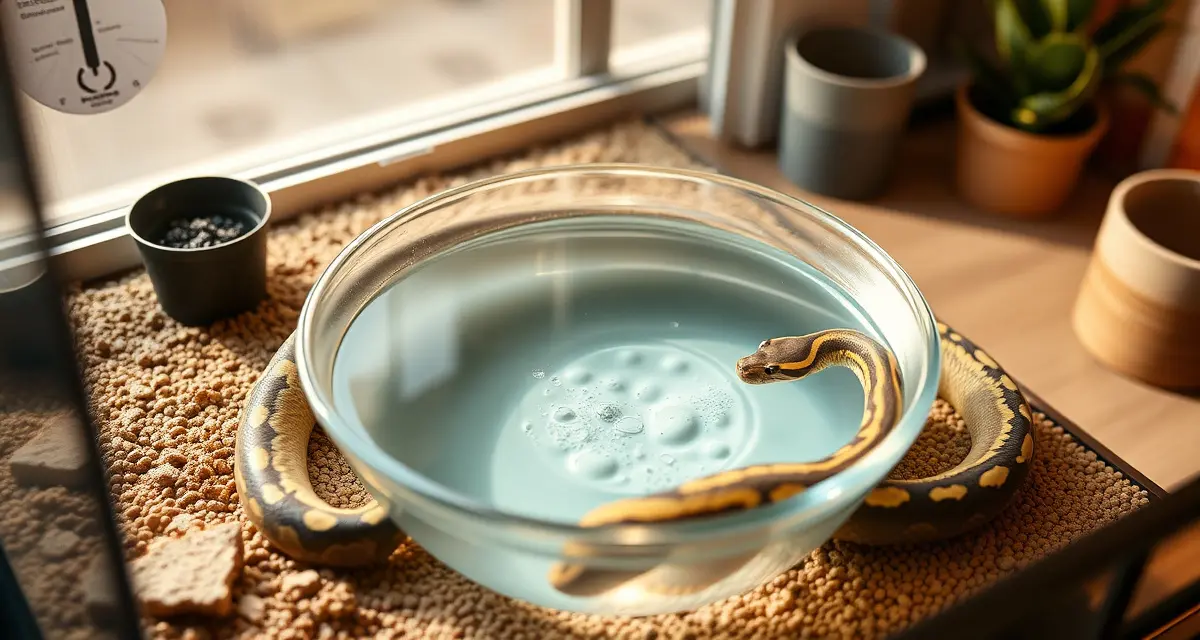
Ball pythons often soak in their water bowls, especially females in the pre-lay period when they seek out humidity. This behavior is normal, but it means the water bowl is regularly contaminated with substrate, shed skin, feces, and urates. A bowl that isn't cleaned frequently becomes a warm, moist environment that supports bacterial and fungal growth.
In a breeding room:
Stressed animals are more susceptible: Breeding season puts physiological demands on animals that can temporarily reduce immune function. An animal coming off a laying cycle or recovering from a long breeding season has less physiological reserve. Pathogen exposure through a contaminated water source is more likely to cause a clinical problem in a stressed or depleted animal.
Scale amplifies exposure: A rack system with 40 enclosures and 40 water bowls that get cleaned infrequently is 40 ongoing pathogen exposure points. One animal with an infection can contaminate its water bowl; if you're handling water bowls across enclosures without proper hygiene protocols between enclosures, you're potentially moving pathogens through your collection.
Immune-compromised hatchlings are at risk: Hatchlings from your breeding animals will eventually be housed in the same facility. A collection-wide pathogen load that adult breeders carry sub-clinically may cause problems in neonates.
How Often to Change Water
The minimum standard for water changes in a ball python rack system is weekly. In practice, change water any time you observe:
- Feces or urates in the water bowl
- Substrate contamination (substrate floating in the water)
- Visible cloudiness or discoloration
- Evidence the animal soaked extensively (which depletes the water volume and increases contamination)
Breeding females in pre-lay often soak daily. These animals need more frequent water changes than animals in maintenance mode. Check their bowls daily and change as needed rather than on a fixed weekly schedule.
Cleaning vs. Rinsing
There's a difference between rinsing a water bowl with tap water and actually cleaning it. Rinsing removes visible debris but doesn't address biofilm - the thin layer of bacteria and organic material that accumulates on surfaces in contact with water. Biofilm builds up even in bowls that look clean to the eye.
Weekly minimum cleaning protocol:
- Empty and rinse the bowl
- Scrub with a brush using dish soap or a reptile-safe disinfectant
- Rinse thoroughly (soap residue is harmful if ingested)
- Dry completely or fill with fresh water immediately
Deep cleaning (monthly or when contamination is suspected):
- Soak the bowl in a diluted bleach solution (1 part bleach to 32 parts water, roughly half an ounce per gallon) for 10-15 minutes
- Scrub and rinse very thoroughly - residual bleach is harmful
- Allow to air dry completely before returning to use
F10SC, diluted chlorhexidine, and other reptile-safe disinfectants are alternatives to bleach for deep cleaning.
Bowl Material and Design Considerations
Heavy ceramic or thick plastic bowls are easier to scrub thoroughly than thin plastic deli cups, which develop micro-scratches over time that harbor bacteria even after cleaning. If you're using lightweight thin-walled bowls, plan to replace them more frequently rather than assuming cleaning fully removes the contamination.
Choose bowl sizes appropriate for the animal. A water bowl large enough for a female to soak in is appropriate during the pre-lay period when soaking behavior increases. The bowl should be stable enough not to tip when the animal is inside - a tipped bowl wets the substrate across the entire enclosure, which creates a different set of problems.
Hygiene Protocol Between Enclosures
In a rack system, the risk isn't just within individual enclosures - it's cross-contamination between enclosures during your maintenance routine.
Best practices for managing this:
Don't reach into water bowls with bare hands. Use gloves or clean tongs for handling water bowls, especially if you're going directly from one enclosure to the next.
Wash or change gloves between enclosures if an animal is known or suspected to be ill. Routine maintenance doesn't require glove changes between every enclosure, but any animal with active health issues warrants full barrier precautions during its care.
Don't reuse water from a bucket across multiple enclosures. Pour fresh water into each bowl from a clean source. Pouring from a shared bucket that's been sitting in your breeding room for hours introduces its own contamination risk.
Keep water bowl cleaning supplies separate from food prep surfaces. The tongs and scrub brushes you use for water bowl cleaning shouldn't be shared with food preparation equipment.
Logging Maintenance for Health Tracking
Water bowl condition observations belong in your regular animal maintenance notes. If you notice a particular animal is consistently soaking more than usual, note it - increased soaking outside of pre-lay context may indicate a temperature issue (animal is too warm and seeking relief), dehydration, or early signs of a respiratory infection. These behavioral signals, logged consistently, give you a pattern to work with.
Related Articles
- Ball Python Cinnamon Morph Breeding Guide: Genetics, Combos, and What to Expect
- Ball Python Clown Morph Breeding Guide: Recessive Genetics and Top Combos
- Ball Python Enchi Morph: Breeding Guide, Top Combos, and Genetic Ratios
- Ball Python Piebald Breeding Guide: Recessive Genetics, Pied Combos, and Project Planning
FAQ
What is Water Bowl Hygiene in Ball Python Breeding Rooms?
Water bowl hygiene in ball python breeding rooms refers to the regular cleaning, disinfecting, and refreshing of water bowls across all enclosures in a breeding operation. Because breeding females are under heightened physiological stress, their immune systems can be more vulnerable to pathogens. A neglected water bowl becomes a bacterial reservoir inside the enclosure. Systematic hygiene protocols—rinsing daily, scrubbing with reptile-safe disinfectant weekly, and replacing bowls showing cracks or biofilm buildup—are a foundational part of keeping a large collection healthy year-round.
How much does Water Bowl Hygiene in Ball Python Breeding Rooms cost?
Water bowl hygiene itself costs very little. A bottle of reptile-safe disinfectant (such as F10SC or diluted chlorhexidine) runs under $20 and lasts months across a large collection. Replacement bowls are inexpensive in bulk. The real investment is time: roughly one to two minutes per enclosure per week for a thorough clean. Scaled across a 50-tub rack system, that's under two hours weekly—a minimal cost compared to the veterinary bills or animal losses that result from chronic poor hygiene.
How does Water Bowl Hygiene in Ball Python Breeding Rooms work?
The process works in a simple cycle: daily water changes keep standing bacteria low; weekly scrubbing with a reptile-safe disinfectant removes biofilm; bowls are rinsed thoroughly to eliminate chemical residue before refilling. In rack systems, many breeders pull all bowls on a set day, soak them in a disinfectant solution, scrub with a dedicated brush, rinse, dry, and refill. Pairing this routine with a maintenance checklist or breeding software ensures no enclosure is accidentally skipped during busy breeding season.
What are the benefits of Water Bowl Hygiene in Ball Python Breeding Rooms?
Consistent water bowl hygiene reduces pathogen load inside each enclosure, lowering the risk of respiratory infections, mouth rot, and bacterial GI issues—conditions that are costly and disruptive to treat in a breeding room. Clean water also encourages proper hydration, which supports healthy sheds, reproductive cycling, and egg development in gravid females. At a collection-wide level, fewer sick animals means fewer treatment interruptions, more predictable production timelines, and stronger animals to sell with clean health histories.
Who needs Water Bowl Hygiene in Ball Python Breeding Rooms?
Any keeper managing ball pythons benefits from clean water bowls, but the practice is especially critical for breeders running rack systems with 20 or more animals. The higher the animal density, the faster a hygiene lapse can cascade into collection-wide illness. Breeders working with high-value morphs, gravid females, or neonates—all of which are more stress-sensitive—have even more to lose from neglecting this routine. Hobbyists with small collections benefit too, though the urgency scales with collection size.
How long does Water Bowl Hygiene in Ball Python Breeding Rooms take?
A daily water change takes under a minute per enclosure—just dump, rinse, and refill. A full weekly disinfection clean takes one to two minutes per bowl when done systematically. For a 50-animal operation, budget around 90 minutes weekly for the full hygiene cycle. Batching the task—pulling all bowls at once, soaking in bulk, scrubbing in a single session—cuts time significantly compared to cleaning enclosure by enclosure. Scheduling it as a fixed weekly task prevents it from being deprioritized during busy breeding periods.
What should I look for when choosing Water Bowl Hygiene in Ball Python Breeding Rooms?
Look for a routine that is simple enough to execute consistently under pressure. Use only reptile-safe disinfectants at correct dilutions—F10SC, chlorhexidine, or diluted bleach followed by thorough rinsing. Choose bowls that are smooth, non-porous, and easy to scrub; avoid bowls with cracks or textured interiors where biofilm hides. A dedicated cleaning brush used only for water bowls reduces cross-contamination risk. A written or app-based checklist ensures no enclosure is skipped, especially during peak breeding season when other tasks compete for attention.
Is Water Bowl Hygiene in Ball Python Breeding Rooms worth it?
Yes. Water bowl hygiene is one of the highest-return maintenance habits in a breeding room relative to the time it requires. The cost of a sick animal—veterinary care, quarantine time, missed breeding opportunities, and potential collection spread—far exceeds the two minutes per week it takes to keep a bowl clean. For breeders selling animals, a healthy collection with no unexplained illness history supports buyer confidence and repeat customers. The habit is low-effort, low-cost, and directly protective of the animals and the business.
Sources
- USARK (United States Association of Reptile Keepers)
- Association of Reptilian and Amphibian Veterinarians (ARAV)
- World of Ball Pythons (WoBP genetics reference database)
- MorphMarket (reptile industry marketplace)
- Reptiles Magazine (Bowtie Inc.)
Get Started with HatchLedger
Every part of a ball python breeding operation -- from pairing records to clutch documentation to financial tracking -- works better when the data is connected rather than scattered across notebooks and spreadsheets. HatchLedger is built for exactly that. Try it free with up to 20 animals.