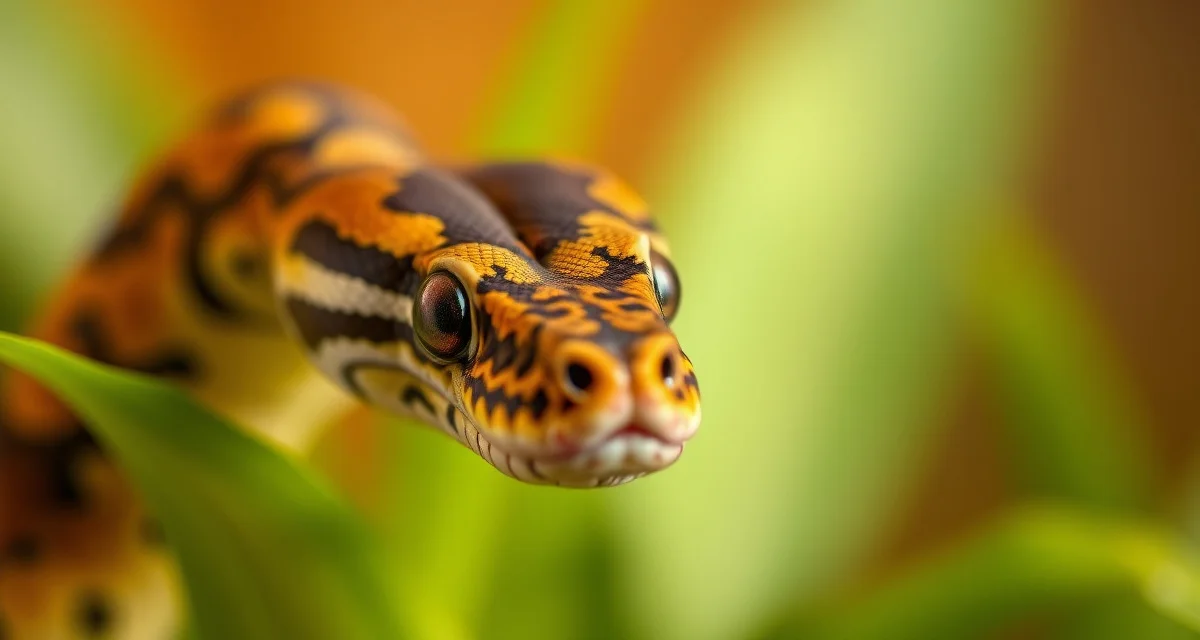
Ball Python IBD: Detection, Prevention, and Collection Biosecurity
By HatchLedger Editorial Team · Published 2025-04-23 · Updated Mar 13, 2026
Breeders using integrated software report 30% less time on administrative tasks, and when it comes to IBD, having accurate health records for every animal isn't just about efficiency; it's about protecting your collection from the most devastating disease in the captive ball python world.
TL;DR
- Ball python breeding operations require systematic record-keeping from pre-season preparation through end-of-season sales.
- Females at 1,200-1,500g or more are the target weight before introducing them to a breeding male.
- Ovulation detection is the key event that anchors pre-lay shed and lay date calculations.
- Clutch profitability guide depends on understanding actual cost basis per animal, not just gross sale revenue.
- Well-documented animals with complete feeding histories and clear genetic records consistently sell faster and at higher prices.
Inclusion Body Disease (IBD) is a viral infection that, in boas, kills reliably. In pythons including ball pythons, presentation is more variable, but IBD is considered untreatable, incurable, and potentially fatal. A confirmed IBD outbreak in a collection is a catastrophic event. Understanding the disease, implementing biosecurity, and maintaining health records are your primary defenses.
What Is IBD?
IBD is caused by a reptarenavirus (formerly thought to be a single virus, now understood to be a complex of related viruses). The virus causes the formation of characteristic cytoplasmic inclusion bodies within cells, particularly in neural tissue.
In boas, IBD almost universally progresses to fatal neurological disease relatively quickly. In ball pythons and other pythons, the disease may present differently and some animals may carry the virus without showing dramatic clinical signs for extended periods. This makes detection harder and spread more likely.
The transmission mechanism isn't fully understood, but snake mites (Ophionyssus natricis) are a confirmed vector, and direct contact between animals may also transmit the disease.
Clinical Signs in Ball Pythons
IBD in ball pythons can be subtle, particularly in early stages. Signs that should raise concern:
Neurological signs:
- Stargazing (head and neck tilted sharply upward, unrelated to respiratory posture)
- Inability to right themselves when placed upside down
- Circling or rolling behavior
- Uncontrolled spasms or tremors
- Progressive loss of motor coordination
Non-neurological signs:
- Chronic regurgitation (not responsive to husbandry correction)
- Chronic respiratory symptoms despite treatment
- Unexplained wasting or failure to thrive
- Secondary infections that don't resolve with appropriate treatment
None of these signs are diagnostic for IBD on their own. Neurological signs in particular can have multiple causes. However, any combination of these signs in an animal that's been otherwise well-managed warrants immediate action and veterinary consultation.
Diagnosis
IBD diagnosis requires laboratory testing. Options:
Biopsy: A tissue sample (often from the liver, kidney, or esophageal tonsils) is examined histologically for inclusion bodies. This requires anesthesia or euthanasia.
Blood smear: Examining white blood cells for inclusion bodies. Less definitive but can be done from a blood draw.
PCR testing: Polymerase chain reaction testing for viral RNA. More sensitive and specific than histological methods. Available through reptile-specialized veterinary labs.
Post-mortem: For animals that die, necropsy with histological examination is the most definitive method and allows full characterization of the disease.
If you suspect IBD in any animal, immediately isolate that animal and contact a reptile veterinarian. Do not introduce new animals to your collection and do not let potentially exposed animals contact animals outside the collection.
Why Mite Control Is an IBD Prevention Strategy
Since mites are a confirmed transmission vector for IBD, mite prevention and rapid mite response aren't just about animal comfort. They're IBD prevention.
An undetected mite infestation spreading through a rack can carry IBD between animals that never have direct contact. This is how the disease moves through collections: one animal is positive (maybe asymptomatically), mites feed on that animal, move to adjacent tubs, and transmit the virus to other animals.
Eliminate mites immediately when detected. Use Provent-a-Mite or veterinary-prescribed acaricides with appropriate protocols. Repeat treatment in 10-14 days to catch hatching eggs.
Biosecurity as Primary Prevention
No biosecurity is perfect, but rigorous practices dramatically reduce IBD risk:
60-90 day quarantine for every new animal: This is the most important single practice. New animals are kept in a completely separate space (ideally a different room or building) from your main collection. Use dedicated tools for quarantine animals. Observe for any of the signs above.
Mite inspection at purchase: Before bringing any new animal home, inspect it carefully for mites. Don't introduce a visibly mite-infested animal to your facility.
Testing before purchase or integration: Some breeders require PCR testing for IBD before purchasing animals from unknown sources. This adds cost but provides much better protection than quarantine alone.
Source animals carefully: Purchase from breeders with known, established collections and documented health practices. Wild-caught or wild-caught-derived animals carry notably higher disease risk.
Tool hygiene: Tools that contact one animal (tongs, scales, water bowls) can transmit disease to the next animal. Use dedicated tools per animal or disinfect between uses with an appropriate disinfectant.
What to Do If IBD Is Suspected
If an animal in your collection shows signs consistent with IBD:
- Immediately isolate the animal in a separate room from your collection
- Contact a reptile veterinarian and describe the symptoms
- Stop all introductions of animals to or from your collection
- Implement aggressive mite control across the entire collection
- Discuss testing options with your veterinarian (blood smear, biopsy, PCR)
- Identify all animals that have been in contact with the suspect animal
If IBD is confirmed, you face difficult decisions about your collection. Your veterinarian can help you think through options and the current understanding of disease spread and management.
Euthanasia and Quarantine Decisions
A confirmed IBD-positive animal in a collection is a profound problem. Some breeders choose to euthanize confirmed positive animals to stop transmission. Others maintain isolated positive animals separately with intensive management.
This is a decision that involves animal welfare, collection welfare, and ethical considerations. Consult with a reptile veterinarian who can provide current guidance on the virus's behavior and management options.
Document every decision and the rationale in your health records. HatchLedger's animal health records give you a timestamped record of observations, test results, and interventions that's invaluable both for managing the situation and for any future questions about animal history.
The Role of Record-Keeping in Outbreak Management
If IBD appears in your collection, your records become critical for several purposes:
- Identifying which animals have been in contact with the suspect animal
- Determining when symptoms first appeared relative to any new animal introductions
- Documenting the source of any new animals introduced in the past 6-12 months
- Supporting veterinary consultation with a clear timeline
Accurate records don't prevent IBD, but they dramatically improve your ability to respond to it. HatchLedger's reptile breeder software maintains the contact history, health observations, and acquisition records that make outbreak investigation possible.
Frequently Asked Questions
What is the best approach to ball python IBD detection and prevention?
Implement strict quarantine for all new animals (60-90 days minimum in a separate space), control mites aggressively since they're a confirmed transmission vector, inspect new animals carefully before purchase, and consider PCR testing for IBD before integrating high-value animals from unknown sources. Know the clinical signs and contact a veterinarian immediately if any are observed.
How do professional breeders handle ball python IBD prevention?
Serious breeding operations treat biosecurity as a formal protocol, not an optional courtesy. They quarantine every new animal regardless of source reputation, maintain strict tool hygiene, perform regular mite inspections, and keep accurate records of animal introductions and contacts. Some require PCR testing before any purchase.
What records should every reptile breeder maintain per animal?
At minimum: acquisition date and source, morph and genetic documentation, feeding log, weight history, any veterinary treatments, and breeding history including pairing dates, clutch of origin for captive-bred animals, and offspring records. These records serve your own management, buyer documentation, regulatory compliance, and long-term genetic tracking.
How should reptile breeders document genetics for buyers?
A complete genetic record for sale includes the animal's visual morph name, confirmed het genes and their basis (parentage documentation or proven-out production), possible het genes with probability percentages, hatch date, and parent morph information. Including clutch-of-origin records lets buyers independently verify the claims.
What is Ball Python IBD: Detection, Prevention, and Collection Biosecurity?
Ball Python IBD (Inclusion Body Disease) is a viral infection caused by reptarenavirus that affects captive ball python collections. This article covers how to detect early symptoms, implement biosecurity protocols to prevent introduction of the virus, and maintain health records across your collection. Because IBD is untreatable and incurable, the focus is entirely on prevention, early identification, and containment strategies to protect your animals from what is considered the most devastating disease in captive ball python keeping.
How much does Ball Python IBD: Detection, Prevention, and Collection Biosecurity cost?
This article on HatchLedger is free educational content. There is no cost to read it. HatchLedger itself is a breeding management platform with its own subscription pricing, but the IBD biosecurity guide is publicly available. Implementing the protocols described — quarantine enclosures, testing, and record-keeping — will involve real costs in supplies and testing fees, but those investments are far less expensive than losing an entire collection to an IBD outbreak.
How does Ball Python IBD: Detection, Prevention, and Collection Biosecurity work?
The article works by walking breeders through three interconnected pillars: understanding what IBD is and how it spreads, detecting potential symptoms early through observation and testing, and establishing collection-wide biosecurity practices. It emphasizes using health record software to track every animal's feeding, behavior, and health history so that anomalies are caught quickly. Systematic documentation creates an early-warning system, since behavioral changes and feeding refusals are often the first observable IBD indicators.
What are the benefits of Ball Python IBD: Detection, Prevention, and Collection Biosecurity?
The core benefit is collection protection. IBD has no cure, so prevention and early detection are everything. Breeders who follow the protocols described reduce the risk of introducing the virus and improve their chances of containing it if exposure occurs. Secondary benefits include better documentation for buyers, faster animal sales, and higher sale prices. Well-documented animals with complete health histories consistently command premiums, meaning good biosecurity practices also improve the commercial value of your collection.
Who needs Ball Python IBD: Detection, Prevention, and Collection Biosecurity?
Any keeper with multiple ball pythons needs this information, but it is especially critical for active breeders who regularly acquire new animals, attend reptile expos, or sell offspring. The more animals you house and the more frequently you interact with outside collections, the higher your exposure risk. Hobbyists with small collections benefit too, since IBD can enter through a single new animal. Anyone buying, selling, or trading reptiles should understand quarantine and biosecurity fundamentals covered in this article.
How long does Ball Python IBD: Detection, Prevention, and Collection Biosecurity take?
Reading the article takes under 15 minutes. Implementing the biosecurity framework it describes is an ongoing commitment. A proper quarantine period for new animals is typically 90 to 180 days minimum. Building out full health records for an existing collection may take several weeks depending on collection size. However, once systems and habits are established — particularly using breeding management software to log feeding and health data — daily record-keeping adds only minutes per animal per interaction.
Related Articles
- Ball Python Regurgitation: Causes, Treatment, and Prevention
- Ball Python Respiratory Infections: Causes, Treatment, and Prevention
Sources
- USARK (United States Association of Reptile Keepers)
- Association of Reptilian and Amphibian Veterinarians (ARAV)
- World of Ball Pythons (WoBP genetics reference database)
- MorphMarket (reptile industry marketplace)
- Reptiles Magazine (Bowtie Inc.)
Get Started with HatchLedger
Every part of a ball python breeding operation -- from pairing records to clutch documentation to financial tracking -- works better when the data is connected rather than scattered across notebooks and spreadsheets. HatchLedger is built for exactly that. Try it free with up to 20 animals.