Ball Python Cryptosporidiosis: Detection, Management, and Collection Protection
By HatchLedger Editorial Team · Published 2025-04-25 · Updated Mar 13, 2026
Breeders using integrated software report 30% less time on administrative tasks, but no software saves you from crypto if you don't catch it early. Cryptosporidiosis is one of the most serious ongoing health threats in ball python collections. It's impossible to cure with current veterinary knowledge, spreads easily, and can destroy years of breeding work if it reaches your main population.
TL;DR
- Ball python breeding operations require systematic record-keeping from pre-season preparation through end-of-season sales.
- Females at 1,200-1,500g or more are the target weight before introducing them to a breeding male.
- Ovulation detection is the key event that anchors pre-lay shed and lay date calculations.
- Clutch profitability guide depends on understanding actual cost basis per animal, not just gross sale revenue.
- Well-documented animals with complete feeding histories and clear genetic records consistently sell faster and at higher prices.
Understanding crypto, detecting it early, and implementing the right biosecurity measures is essential knowledge for any serious breeder.
What Is Cryptosporidiosis?
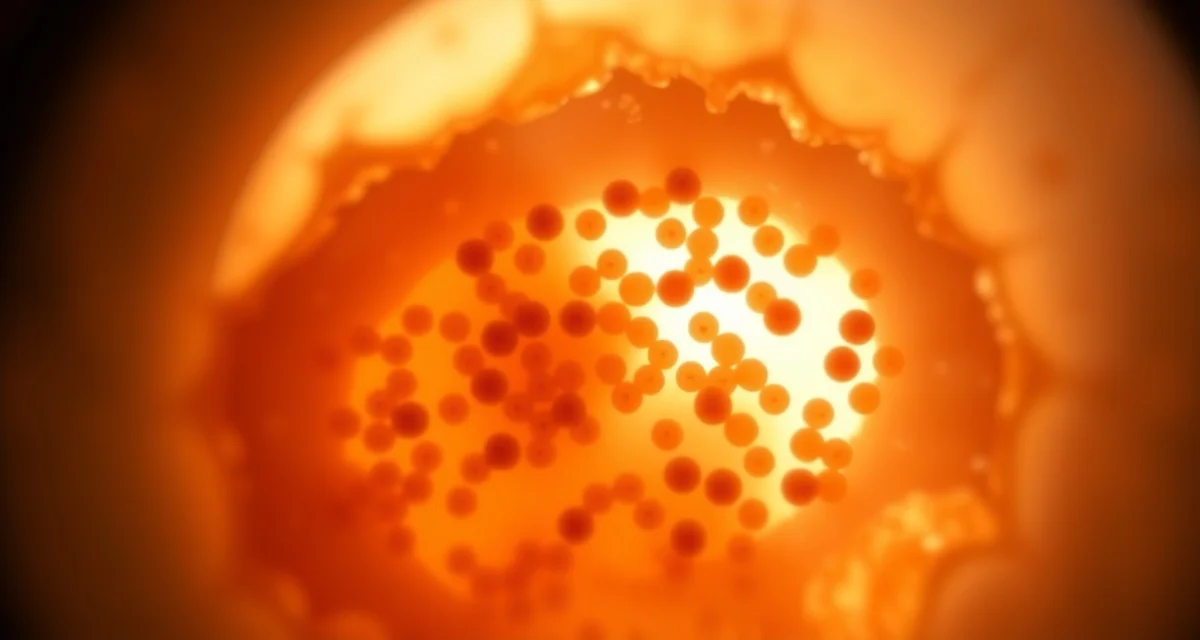
Cryptosporidium varanii (formerly C. saurophilum) is the species most commonly identified in ball pythons, though C. serpentis also affects snakes. These are single-celled parasites that infect the gastrointestinal lining, causing notable damage to the mucosa.
Unlike bacterial infections that respond to antibiotics, Cryptosporidium has no reliable treatment. Paromomycin (an antibiotic) has shown some efficacy in reducing shedding and improving clinical signs in some cases but doesn't eliminate the parasite. Hyperimmune bovine colostrum has been used experimentally. Most affected animals either die, are euthanized, or survive in a managed state with reduced quality of life and continued ability to infect other animals.
Clinical Signs
The hallmark presentation of crypto in ball pythons is a distinctive constellation of signs:
Chronic regurgitation: The most common presenting sign. Unlike occasional regurgitation from overfeeding, husbandry errors, or prey that's too large, crypto-associated regurgitation happens consistently, regardless of prey size or feeding approach. Animals may regurgitate partially digested prey, clear fluid, or mucus.
Progressive wasting: Despite attempts to maintain feeding, crypto-affected animals lose weight consistently. The wasting is often most visible at the neck and mid-body, creating a "stick" appearance.
Mid-body swelling: In many affected animals, the mid-body (approximately where the stomach is located) develops a visible, consistent swelling. This represents the thickened, inflamed stomach wall. This is sometimes called "stargazer's neck" in boas (where head/neck tilting often accompanies it) but in ball pythons the mid-body swelling is more characteristic.
Chronic respiratory symptoms: Secondary infections become harder to clear as the immune system is compromised.
Reduced activity and appetite: Progressive reduction in feeding response as the condition advances.
How Crypto Spreads
The Cryptosporidium parasite is shed in feces (and potentially in regurgitated material). Transmission occurs via the fecal-oral route:
- Direct contact between animals
- Contaminated tools (tongs, water bowls, hands)
- Contaminated water
- Possibly via mites, though this is less definitively established than for IBD
Crypto oocysts (the infective stage) are very resistant to environmental conditions and common disinfectants. Bleach at standard concentrations is not reliably effective. High heat (steam), hydrogen peroxide, and specialized disinfectants (Synperonic NDB, certain ammonium compounds) are more effective.
The False-Negative Problem
Crypto diagnosis is challenging because oocyst shedding can be intermittent. A single fecal PCR test that comes back negative does not rule out crypto. Repeat testing (3 samples taken on separate days) notably improves detection sensitivity.
If you see classic clinical signs (mid-body swelling plus chronic regurgitation in a wasting animal), pursue aggressive diagnostic workup even after an initial negative test. Ask your veterinarian about acid-fast staining of fecal samples in addition to PCR.
Diagnosis
Fecal examination: Acid-fast staining (Ziehl-Neelsen stain) can detect oocysts in fresh feces. Sensitivity varies with sample quality and shedding intensity.
Fecal PCR: More sensitive and specific than microscopy. The current best diagnostic option for clinical cases.
Biopsy/endoscopy: Examination of the stomach lining for characteristic changes. Invasive but highly diagnostic.
Post-mortem: The thickened stomach wall and characteristic histological changes are definitive.
Biosecurity Against Crypto
Quarantine is your first line of defense: 60-90 days minimum for all new animals. During quarantine, collect 3 separate fecal samples for PCR testing. The cost of this testing is trivial compared to the cost of introducing crypto to your collection.
Tool hygiene: Dedicated tools for quarantine animals, cleaned and disinfected before going anywhere near your main collection. Gloves when handling quarantine animals.
Watch for clinical signs: Know what the mid-body swelling looks like and check for it during all handling sessions with new animals.
No sharing equipment: Water bowls, hides, substrate, and any item that contacts a potentially infected animal should never be reused in your main collection without thorough disinfection using an effective agent.
If Crypto Is Confirmed
A confirmed crypto-positive animal presents hard choices:
- Euthanasia: The most certain way to prevent spread. The animal has an incurable condition that will progress.
- Permanent isolation: The animal lives in a completely separate, dedicated space with no risk of contact with your collection animals. This requires a genuine commitment to permanent separation.
- Attempted treatment: Paromomycin management under veterinary guidance may reduce shedding and improve quality of life, but doesn't cure the infection.
Whatever decision you make, it needs to be absolute. A crypto-positive animal that returns to your main collection, even briefly, is an unacceptable risk.
Decontaminate any space, tools, and equipment that the positive animal contacted. This requires multiple disinfection cycles with appropriate agents; standard dilute bleach is not sufficient.
HatchLedger's health records let you document quarantine status, test dates and results, and any clinical observations with timestamps. If crypto appears in your collection, these records help you trace the source and identify all animals that may have been exposed.
The Importance of Fecal Testing
Many breeders don't do fecal testing routinely because the animals appear healthy. This is the wrong approach for a production operation. Animals can carry Cryptosporidium and shed oocysts without obvious clinical signs, particularly early in infection.
Consider annual fecal testing for your full collection, and mandatory 3-sample PCR testing for any new acquisition before or during quarantine. The cost of this testing is a fraction of what a crypto outbreak in your collection would cost you in animals, time, and disrupted breeding seasons.
The HatchLedger reptile breeder platform tracks test dates and results for each animal, making it easy to maintain an up-to-date testing record and schedule annual tests for your collection on a systematic basis.
Frequently Asked Questions
What is the best approach to ball python cryptosporidiosis detection and prevention?
Know the clinical signs: chronic regurgitation, progressive wasting, and characteristic mid-body swelling. Require 3-sample fecal PCR testing for all new acquisitions during quarantine. Implement strict tool hygiene and quarantine protocols, and use effective disinfectants (not just bleach) for any space that housed a suspect animal.
How do professional breeders handle ball python cryptosporidiosis protection?
Serious production breeders treat fecal PCR testing as a standard part of the acquisition process for any new animal, regardless of source reputation. They implement quarantine protocols that genuinely separate new animals from the main collection and use appropriate disinfectants. If crypto is confirmed, they make definitive decisions quickly rather than hoping the situation resolves.
What records should every reptile breeder maintain per animal?
At minimum: acquisition date and source, morph and genetic documentation, feeding log, weight history, any veterinary treatments, and breeding history including pairing dates, clutch of origin for captive-bred animals, and offspring records. These records serve your own management, buyer documentation, regulatory compliance, and long-term genetic tracking.
How should reptile breeders document genetics for buyers?
A complete genetic record for sale includes the animal's visual morph name, confirmed het genes and their basis (parentage documentation or proven-out production), possible het genes with probability percentages, hatch date, and parent morph information. Including clutch-of-origin records lets buyers independently verify the claims.
What is Ball Python Cryptosporidiosis: Detection, Management, and Collection Protection?
Ball Python Cryptosporidiosis: Detection, Management, and Collection Protection is a comprehensive guide for reptile breeders on understanding and handling Cryptosporidium varanii, a parasitic infection common in ball pythons. The article covers how to identify early symptoms, implement biosecurity protocols, and protect your broader collection from contamination. Because crypto has no known cure, the guide focuses on prevention, quarantine procedures, and informed decision-making to minimize losses across breeding operations of any size.
How much does Ball Python Cryptosporidiosis: Detection, Management, and Collection Protection cost?
There is no direct cost for reading this article — it is freely available on HatchLedger. However, managing cryptosporidiosis in your collection carries real financial consequences. Diagnostic PCR testing typically costs $50–$150 per animal, and euthanasia or lifetime isolation of infected snakes adds ongoing expense. The true cost of an unmanaged outbreak can run into thousands of dollars in lost animals, lost breeding potential, and devalued collection inventory, making early detection the most cost-effective strategy.
How does Ball Python Cryptosporidiosis: Detection, Management, and Collection Protection work?
Cryptosporidiosis works by introducing Cryptosporidium varanii, a single-celled parasite, into a snake's gastrointestinal tract. The parasite attaches to intestinal cells, disrupting nutrient absorption and causing chronic weight loss, regurgitation, and mid-body swelling. It spreads through fecal-oral transmission — contaminated substrate, shared tools, or handling without proper hygiene. The article explains how to recognize these progression stages, interpret diagnostic results, and apply quarantine measures before an infected animal contacts the rest of your collection.
What are the benefits of Ball Python Cryptosporidiosis: Detection, Management, and Collection Protection?
The primary benefit is protecting years of selective breeding work from a single infected animal. By learning early detection signs and systematic quarantine practices, breeders can isolate cases before crypto spreads. The guide also helps breeders make clear-eyed decisions about infected animals rather than reacting emotionally or financially. Better biosecurity practices, informed by this article, translate directly into a healthier, more stable collection and stronger long-term sales potential through documented, trustworthy animal histories.
Who needs Ball Python Cryptosporidiosis: Detection, Management, and Collection Protection?
Any ball python keeper with more than one animal needs this information, but it is especially critical for active breeders managing multiple enclosures, acquiring new animals, or attending reptile expos. Hobbyists bringing in rescues or trades are also at elevated risk. If you sell animals, attend shows, or share equipment with other keepers, your biosecurity exposure is significant. This article is essential reading before purchasing new stock, expanding a collection, or setting up a dedicated breeding room.
How long does Ball Python Cryptosporidiosis: Detection, Management, and Collection Protection take?
Cryptosporidiosis has no defined treatment timeline because there is currently no cure. An infected ball python may live months or years while shedding oocysts and presenting worsening symptoms. Diagnostic testing takes one to five business days for PCR results. Implementing a full quarantine and biosecurity response — including disinfection, isolation, and retesting exposed animals — typically spans 90 days minimum. The article helps breeders understand what a realistic long-term management timeline looks like and when intervention decisions become necessary.
Related Articles
- Rack System Management for Ball Python Breeding Collections
- Ball Python Pairing Introductions and Male Management: Advanced Breeder Guide
Sources
- USARK (United States Association of Reptile Keepers)
- Association of Reptilian and Amphibian Veterinarians (ARAV)
- World of Ball Pythons (WoBP genetics reference database)
- MorphMarket (reptile industry marketplace)
- Reptiles Magazine (Bowtie Inc.)
Get Started with HatchLedger
Every part of a ball python breeding operation -- from pairing records to clutch documentation to financial tracking -- works better when the data is connected rather than scattered across notebooks and spreadsheets. HatchLedger is built for exactly that. Try it free with up to 20 animals.