Ball Python Clown Morph Breeding Projects: Advanced Breeder Guide
By HatchLedger Editorial Team · Published 2025-04-28 · Updated Mar 13, 2026
Breeders using integrated software report 30% less time on administrative tasks, and for clown projects specifically, that administrative load includes tracking two-year proving-out cycles, multi-gene combination lineages, and a market that rewards combination animals substantially over single-gene clowns.
TL;DR
- Ball python breeding operations require systematic record-keeping from pre-season preparation through end-of-season sales.
- Females at 1,200-1,500g or more are the target weight before introducing them to a breeding male.
- Ovulation detection is the key event that anchors pre-lay shed and lay date calculations.
- Clutch profitability guide depends on understanding actual cost basis per animal, not just gross sale revenue.
- Well-documented animals with complete feeding histories and clear genetic records consistently sell faster and at higher prices.
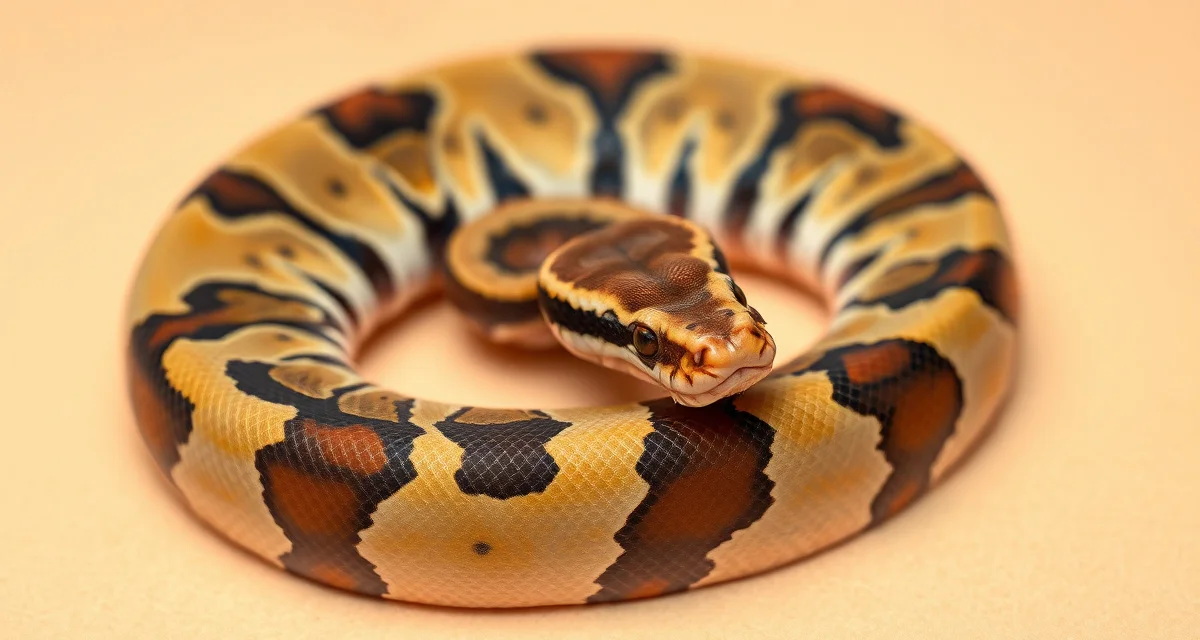
The clown morph (recessive) is one of the most photographed, most desired, and most consistently valued morphs in the hobby. The distinctive banding pattern, reduced dorsal patterning, and often intense coloration make visual clown animals immediately recognizable and highly marketable.
Clown Genetics
Clown is autosomal recessive, following the same inheritance pattern as pied:
Het clown x Het clown: 25% visual clown, 50% het clown, 25% normal (66% possible het)
Visual clown x Het clown: 50% visual clown, 50% het clown
Visual clown x Visual clown: 100% visual clown
Proving out het clown animals requires the same proving-out process as any recessive: breed the possible het to a visual clown and observe whether visual offspring appear.
What Makes Clown Different from Other Recessives
Clown produces animals with a genuinely different body plan compared to normals: the characteristic banding across the dorsal surface replaces the typical ball python pattern, and the head pattern is usually cleaner. The intensity of the band coloration and the contrast between banded areas and the lateral pattern varies between individuals and lines.
Some clown lines are noted for particularly intense coloration, bright yellows or strong contrasting patterns. When you're acquiring clown genetics for a project, try to see parents or grandparents to assess the line's color quality.
Clown Combinations: Where the Value Is
Plain visual clowns trade for $200-500 in the current market. Clown combinations trade for substantially more:
Banana/Coral Glow clown: Bright orange-yellow banana gene combined with clown's banding. One of the most visually striking combinations in the hobby. Strong, consistent market.
Pastel clown: Pastel brightens the yellow and reduces dark pigmentation in the clown pattern. Easy to produce (pastel is co-dominant, visible in single copy). Pastel clown females are particularly sought for building more complex projects.
Cinnamon/Black pastel clown: Darkening genes that add depth to the clown's coloration. Black pastel clown is a popular combination.
Spider clown (Spinner): The spider morph combined with clown. Note the ethical considerations around spider morph neurological issues (discussed in the spider article). Spinners trade well in the current market but require appropriate buyer disclosure.
Clown pied: Two recessive genes in combination. Dramatic animals with both the clown banding and the pied white patching. Requires multi-generation building if you don't start with double het animals.
Woma clown, Axanthic clown, and other double recessive combinations: Higher value, require more infrastructure to produce.
Planning a Clown Project
If your goal is to produce combination clowns, work backward from the target:
For pastel clown: Get a female or male that's visual clown or 100% het clown. Add pastel (co-dominant, easily incorporated). This is a one-generation project if you start with the right animals.
For banana clown: Banana is sex-linked co-dominant. You need to understand the sex-linked transmission to plan correctly. A banana male x visual clown female produces banana males and possibly clown offspring in generation one. The exact route depends on whether you start with a male or female banana.
For clown pied (double recessive): You need animals that carry both genes. Either start with double het animals (expensive, direct route) or build your het populations separately and combine them over two generations. This is a 2-3 season project minimum.
Acquiring Clown Genetics
Quality clown animals from known lines are worth the investment:
Visual clown females: Used directly in production, producing 50% visual offspring from het males. Higher upfront cost, faster production. Look for good pattern intensity and color in the animal and its parents/siblings.
100% het clown animals: Verified hets (from two visual parents) are worth more than possible hets. The certainty matters for breeding planning.
Possible het animals: 66% possible hets from het x het pairings. Require proving out before you can sell confirmed het offspring from them. Good value if priced to reflect the uncertainty.
Clown Color Variation and Line Selection
Within the clown morph, there's meaningful variation in color quality. Some lines produce animals with particularly vivid pattern intensity; others produce clowns that are adequate but not exceptional.
When the goal is high-quality combination animals, the quality of the clown expression in the base genetics matters. A pastel clown from an intensely colored clown line is more impressive than one from a washed-out line.
Research the source of clown genetics before buying. Look at photos of previous clutches from the breeders you're considering. Ask about the line's history.
Record-Keeping for Clown Projects
Track the same information as any recessive project:
- Confirmed gene status for each animal (visual, 100% het, possible het with percentage)
- Pairing history and proving-out records
- Combination gene status for multi-gene animals
- Pattern and color quality observations for line selection purposes
HatchLedger's morph records handle clown genetics the same way as any recessive: confirmed status and possible het percentage tracked per animal, with proving-out clutches linked back to update parent and sibling records.
When you're managing a collection that includes clown animals across multiple genetic designations and combination projects, having all of this in one connected system rather than spreadsheets makes the difference between a manageable project and a confusing mess.
Market Considerations
The clown market has been historically strong compared to many other morphs. Research current Morph Market prices before committing resources to a clown project direction. The market for basic visual clowns is stable but not spectacular; the combination market remains stronger.
With any long-term breeding project, plan for some price degradation on your target combination as more producers enter the market over the project's 2-3 year build timeline. Target combinations that have sustained demand and build in a margin of safety against price decline.
The HatchLedger reptile breeder software tracks P&L per project, helping you evaluate whether your clown project is generating the returns you projected when you started.
Frequently Asked Questions
What is the best approach to ball python clown breeding projects?
Start by defining your target combination, then acquire the genetics to reach it efficiently. Single-gene clown is a reasonable starting project but the real value is in combinations. Purchase visual clowns or verified 100% hets rather than possible hets when budget allows, as certainty reduces the number of proving-out generations required.
How do professional breeders handle ball python clown projects?
Experienced breeders target specific clown combinations based on current market analysis, prioritize color and pattern quality in their foundation animals, and maintain detailed records of het status and proving-out history for every animal in the project. They price clown animals based on documented genetic certainty, charging more for verified hets than for possible hets.
What records should every reptile breeder maintain per animal?
At minimum: acquisition date and source, morph and genetic documentation, feeding log, weight history, any veterinary treatments, and breeding history including pairing dates, clutch of origin for captive-bred animals, and offspring records. These records serve your own management, buyer documentation, regulatory compliance, and long-term genetic tracking.
How should reptile breeders document genetics for buyers?
A complete genetic record for sale includes the animal's visual morph name, confirmed het genes and their basis (parentage documentation or proven-out production), possible het genes with probability percentages, hatch date, and parent morph information. Including clutch-of-origin records lets buyers independently verify the claims.
What is Ball Python Clown Morph Breeding Projects: Advanced Breeder Guide?
Ball Python Clown Morph Breeding Projects: Advanced Breeder Guide is a comprehensive resource for experienced reptile breeders working with the clown morph—one of ball python keeping's most prized recessive traits. It covers the full breeding cycle: female conditioning, ovulation detection, clutch management, genetic pairing strategies, and end-of-season sales. The guide emphasizes systematic record-keeping and cost tracking to help breeders run profitable, well-documented operations that produce high-value single and multi-gene clown combination animals.
How much does Ball Python Clown Morph Breeding Projects: Advanced Breeder Guide cost?
The guide itself is free educational content on HatchLedger. However, running a clown breeding project carries real costs: quality het clown or visual clown animals range from hundreds to thousands of dollars depending on additional genes. Factor in housing, feeding, veterinary care, and incubation equipment. Breeders using HatchLedger's tracking software report 30% less time on admin tasks, which translates to meaningful operational savings across multi-year proving-out cycles typical of recessive morph projects.
How does Ball Python Clown Morph Breeding Projects: Advanced Breeder Guide work?
The guide walks breeders through each phase of a clown breeding season. Start by conditioning females to 1,200–1,500g before pairing. Introduce males and monitor for ovulation—the anchor event for calculating pre-lay shed and expected lay dates. Track genetic pairings carefully, since clown is autosomal recessive (het × het produces 25% visual clowns). After hatching, document each animal's genetics, feeding history, and lineage. Well-recorded animals sell faster and command premium prices, especially multi-gene clown combinations.
What are the benefits of Ball Python Clown Morph Breeding Projects: Advanced Breeder Guide?
The primary benefits are financial clarity and time savings. Understanding your true cost basis per animal—not just gross sale revenue—determines whether a clutch is actually profitable. Multi-gene clown combinations (e.g., Banana Clown, Pied Clown) command substantially higher prices than single-gene visuals. The guide also helps breeders manage two-year proving-out cycles with confidence, reduce administrative overhead through structured record-keeping, and build market credibility by offering buyers complete genetic documentation and feeding histories.
Who needs Ball Python Clown Morph Breeding Projects: Advanced Breeder Guide?
This guide is for advanced ball python breeders already familiar with basic husbandry who are ready to commit to recessive morph projects. It's ideal for hobbyists scaling toward small-business operations, existing breeders adding clown lines to their collection, or anyone working with multi-gene pairings that require rigorous lineage tracking. If you're managing multiple females, planning combination animals, and want to treat breeding as a structured operation rather than a casual hobby, this guide is built for you.
How long does Ball Python Clown Morph Breeding Projects: Advanced Breeder Guide take?
A clown breeding project is a multi-year commitment. Acquiring and proving out het clown animals typically takes one to two seasons before visual clowns are produced. From pairing to hatching, each clutch spans roughly six months: females need conditioning time, ovulation occurs mid-season, eggs incubate for 55–60 days, and hatchlings require grow-out time before sale. Breeders should plan for a full 12–24 month runway from project start to first significant revenue from visual or combination clown animals.
Related Articles
Sources
- USARK (United States Association of Reptile Keepers)
- Association of Reptilian and Amphibian Veterinarians (ARAV)
- World of Ball Pythons (WoBP genetics reference database)
- MorphMarket (reptile industry marketplace)
- Reptiles Magazine (Bowtie Inc.)
Get Started with HatchLedger
Every part of a ball python breeding operation -- from pairing records to clutch documentation to financial tracking -- works better when the data is connected rather than scattered across notebooks and spreadsheets. HatchLedger is built for exactly that. Try it free with up to 20 animals.