Ball Python Reptile Vet Relationships: Finding and Working with a Reptile Veterinarian
By HatchLedger Editorial Team · Published 2025-05-04 · Updated Mar 13, 2026
Breeders using integrated software report 30% less time on administrative tasks, and veterinary record management is one of the areas where that administrative discipline directly affects animal welfare outcomes. A breeder who can walk into a vet appointment with a complete health history, feeding records, and weight data for the animal in question gets better veterinary care than one who's trying to remember details on the spot.
TL;DR
- Ball python breeding operations require systematic record-keeping from pre-season preparation through end-of-season sales.
- Females at 1,200-1,500g or more are the target weight before introducing them to a breeding male.
- Ovulation detection is the key event that anchors pre-lay shed and lay date calculations.
- Clutch profitability guide depends on understanding actual cost basis per animal, not just gross sale revenue.
- Well-documented animals with complete feeding histories and clear genetic records consistently sell faster and at higher prices.
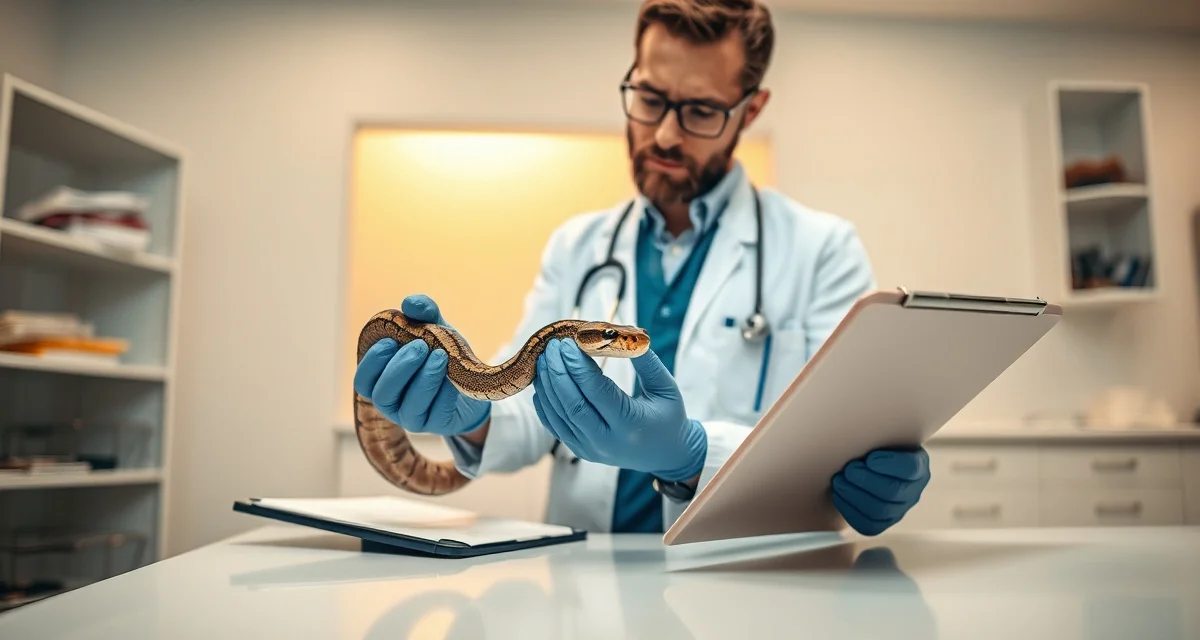
Every serious ball python breeding operation needs a relationship with a reptile veterinarian before they need emergency care. Establishing the relationship while things are going well is fundamentally different from trying to find a reptile vet for the first time with a sick animal.
Finding a Reptile Veterinarian
Not every veterinarian has experience with reptiles. A dog and cat vet who's uncomfortable with snakes and unfamiliar with reptile medicine is not what you need. How to find the right vet:
Ask your local community: Reptile breeder communities (Facebook groups, Discord, local shows) are your best resource. Ask who other ball python breeders in your area use. A vet recommended by multiple experienced local breeders is a strong indicator.
Association for Reptile and Amphibian Veterinarians (ARAV): ARAV maintains a member directory. Member vets have demonstrated specific interest in reptile medicine; not all are equally experienced, but ARAV membership is a useful filter.
Exotic animal practices: Veterinary practices that specifically market as "exotic" or "exotic companion animal" specialists are more likely to have reptile experience than general practices.
Veterinary school exotic animal clinics: If you're near a veterinary school, their exotic animal clinic often provides excellent reptile care because it's a teaching environment with specialist oversight.
Test with a wellness appointment: Before you need emergency care, schedule a routine wellness exam with a potential vet. This lets you evaluate their comfort and competence with reptiles in a lower-pressure setting.
What to Look for in a Reptile Vet
Comfort with the animal: A vet who handles your ball python confidently and with obvious familiarity is different from one who's visibly uncomfortable. The physical exam quality depends on the examiner being comfortable.
Evidence-based approach: A good reptile vet should be willing to discuss the evidence base for their recommendations. Treatments that are appropriate for dogs and cats aren't always appropriate for reptiles; a vet who applies standard mammal medicine to reptiles without reptile-specific knowledge is a concern.
Diagnostic capabilities: Access to bloodwork analysis, radiography, and ideally reptile-focused PCR testing (for IBD, crypto, and other pathogens) is valuable. A vet who can only do a visual exam has limited diagnostic tools.
Willingness to consult: Reptile medicine is complex and rapidly evolving. A good reptile vet is willing to consult with colleagues or specialists for unusual presentations rather than guessing.
Building the Relationship
Once you've found a vet you trust:
Annual wellness exams: Even for healthy animals, an annual exam familiarizes the vet with your animals' baseline condition, allows fecal parasite screening, and gives you a relationship where the vet knows your collection.
Establish as an account: Many vet practices allow you to establish an account for your breeding operation. This simplifies billing and creates a complete health record at the practice for your animals.
Communicate proactively: When you call about a sick animal, being able to give a detailed history (weight trend over the last 3 months, last feeding date, first symptom observation, any environmental changes) makes the vet's job easier and the outcome better.
Ask for prescription access where appropriate: For serious breeders treating common issues (mite infestations, respiratory infections), having a prescribing relationship with a vet who can provide antibiotics and other medications without a same-day appointment for every incident is valuable. This relationship takes time to build.
What to Bring to Appointments
The quality of veterinary care depends partly on the information you can provide:
- The animal in a secure container (pillowcase in a cloth bag, or a ventilated carrier)
- A fresh fecal sample if possible (collected within 24 hours, refrigerated)
- Complete feeding history (last fed, what, whether it ate)
- Weight history for the past 3-6 months
- Onset and progression of symptoms
- Any treatments already attempted
A well-organized health record from HatchLedger is notably more useful to a vet than "I think it stopped eating about a month ago, maybe longer."
HatchLedger's health records store weight history, feeding records, and health observations with dates, giving you a complete printable health summary to bring to veterinary appointments.
The HatchLedger reptile breeder software makes veterinary record-keeping part of your standard animal management workflow so the documentation is there when you need it rather than having to reconstruct it from memory at an appointment.
Frequently Asked Questions
What is the best approach to finding and working with a ball python veterinarian?
Find a vet with demonstrated reptile experience through community recommendations or ARAV membership, establish the relationship with a wellness exam before you need emergency care, bring complete health records to every appointment, and build toward a prescribing relationship that makes routine treatment management more efficient over time.
How do professional breeders handle veterinary care for their ball python breeding operations?
Established breeding operations have a designated reptile vet they use consistently, schedule annual wellness exams for key breeding animals, maintain complete health records that make every vet appointment more efficient, and have established prescribing relationships that allow treatment without requiring an appointment for every routine health issue.
What records should every reptile breeder maintain per animal?
At minimum: acquisition date and source, morph and genetic documentation, feeding log, weight history, any veterinary treatments, and breeding history including pairing dates, clutch of origin for captive-bred animals, and offspring records. These records serve your own management, buyer documentation, regulatory compliance, and long-term genetic tracking.
How should reptile breeders document genetics for buyers?
A complete genetic record for sale includes the animal's visual morph name, confirmed het genes and their basis (parentage documentation or proven-out production), possible het genes with probability percentages, hatch date, and parent morph information. Including clutch-of-origin records lets buyers independently verify the claims.
What is Ball Python Reptile Vet Relationships: Finding and Working with a Reptile Veterinarian?
Ball Python Reptile Vet Relationships covers how breeders can find, establish, and maintain a working relationship with a qualified reptile veterinarian. The article addresses proactive vet sourcing before emergencies arise, what records to bring to appointments, and how systematic health documentation improves veterinary outcomes for your ball pythons and overall breeding operation quality.
How much does Ball Python Reptile Vet Relationships: Finding and Working with a Reptile Veterinarian cost?
Costs vary by region and practice, but a standard reptile wellness exam typically runs $50–$150. Emergency visits cost significantly more. The real financial insight is that proactive vet relationships reduce costs long-term—catching health issues early, avoiding late-stage interventions, and maintaining complete records that prevent duplicate diagnostic work during urgent visits.
How does Ball Python Reptile Vet Relationships: Finding and Working with a Reptile Veterinarian work?
You find a reptile-experienced vet before you need one, schedule a wellness visit to establish the relationship, and bring organized records—feeding logs, weight history, and health notes. When issues arise, your vet already knows your animals. Integrated breeding software helps by keeping all health data accessible and ready to present at appointments.
What are the benefits of Ball Python Reptile Vet Relationships: Finding and Working with a Reptile Veterinarian?
Established vet relationships mean faster, better care during emergencies. Vets familiar with your operation can make quicker diagnoses. Complete health records reduce guesswork, lower diagnostic costs, and improve treatment accuracy. Well-documented animals also command higher sale prices and sell faster, since buyers value breeders who demonstrate professional animal husbandry standards.
Who needs Ball Python Reptile Vet Relationships: Finding and Working with a Reptile Veterinarian?
Any serious ball python breeder needs this—hobbyists scaling up, established breeders managing multiple females, and anyone producing animals for sale. If you're pairing snakes and selling offspring, you carry responsibility for animal welfare outcomes. Buyers increasingly expect health documentation, and a vet relationship is foundational to operating a credible, sustainable breeding program.
How long does Ball Python Reptile Vet Relationships: Finding and Working with a Reptile Veterinarian take?
Building the relationship takes one wellness visit—usually 30–60 minutes. The ongoing time investment is minimal if records are organized. Breeders using integrated software report 30% less time on administrative tasks, including vet prep. The payoff compounds over time: each documented visit adds to a health history that makes future appointments faster and more effective.
Related Articles
- Ball Python Pipping and Hatchling Emergence: Advanced Breeder Guide
- Ball Python Breeding Business Plan: Building a Sustainable Operation from the Ground Up
Sources
- USARK (United States Association of Reptile Keepers)
- Association of Reptilian and Amphibian Veterinarians (ARAV)
- World of Ball Pythons (WoBP genetics reference database)
- MorphMarket (reptile industry marketplace)
- Reptiles Magazine (Bowtie Inc.)
Get Started with HatchLedger
Every part of a ball python breeding operation -- from pairing records to clutch documentation to financial tracking -- works better when the data is connected rather than scattered across notebooks and spreadsheets. HatchLedger is built for exactly that. Try it free with up to 20 animals.