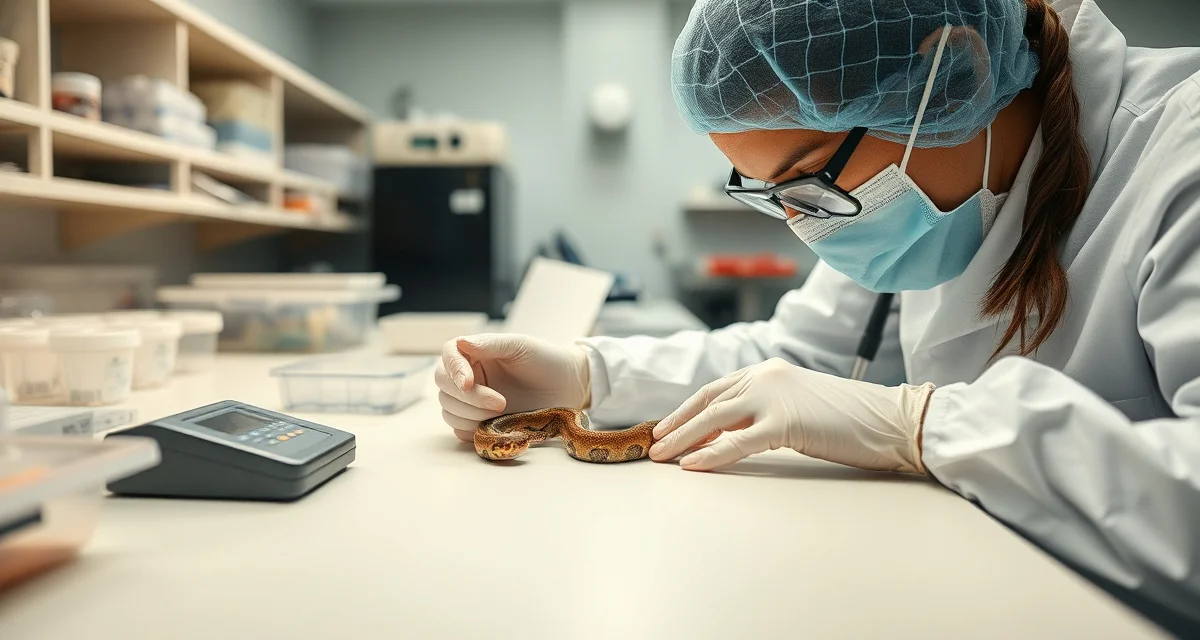
Ball Python Hatchling Processing: First Steps After Hatch
By HatchLedger Editorial Team · Published 2025-07-05 · Updated Mar 13, 2026
The 48 hours after hatch are when labeling errors happen, when documentation gaps form, and when rushed handling creates problems that follow an animal for months. Getting the processing protocol right means every animal leaves your incubator with a complete, accurate record attached to it.
TL;DR
- Ball python breeding operations require systematic record-keeping from pre-season preparation through end-of-season sales.
- Females at 1,200-1,500g or more are the target weight before introducing them to a breeding male.
- Ovulation detection is the key event that anchors pre-lay shed and lay date calculations.
- Clutch profitability guide depends on understanding actual cost basis per animal, not just gross sale revenue.
- Well-documented animals with complete feeding histories and clear genetic records consistently sell faster and at higher prices.
Step 1: Let the Clutch Finish
When the first egg pips, don't start pulling animals immediately. Give the clutch time to complete hatching. Most hatchlings emerge 12-48 hours after pip. Some stragglers take 60-72 hours.
During this period:
- Don't open the incubation box more than necessary
- Don't pull pipping hatchlings unless you have a clear medical reason
- Keep temperatures and humidity stable in the incubator
A hatchling that's pipped but staying in the egg is absorbing final yolk reserves. This process should not be interrupted. The yolk sac must fully absorb before emergence for the animal to be viable.
Step 2: Prepare Your Processing Station
Before handling any animals, have ready:
- Scale (accurate to 1g)
- Deli cups with lids (one per hatchling)
- Paper towel substrate for each cup
- Small water dishes
- Permanent marker and pre-written labels
- Your records template or HatchLedger open on a device
- Clean hands or nitrile gloves
Label every cup before you put an animal in it. Your labeling system should be unambiguous: a number, a letter, a color-coded sticker, whatever you use consistently. "C3-4" (Clutch 3, Animal 4) is simple and scalable.
Step 3: Remove and Assess Each Hatchling
As each hatchling fully exits its egg or is ready to be moved (fully emerged, yolk sac absorbed, egg completely abandoned), place it in the processing area.
Initial assessment (note any of these):
- Obvious morph identification (can you identify it visually at hatch?)
- Physical condition: is the umbilical scar closed? Any retained umbilical tissue?
- Any obvious physical abnormalities (kinking, mouth gape, ocular issues)
- Activity level (normally very active; a lethargic hatchling warrants closer attention)
Don't stress animals during processing. Ball python hatchlings fresh from the egg can be quite defensive, musking, striking. This is normal. Keep handling brief and purposeful. A very short session to weigh and label is better than an extended handling session that increases stress.
Step 4: Weigh Every Hatchling
Place each hatchling in the labeled cup (or directly on the scale briefly) and record weight.
Weight benchmarks:
- 60-100g: Typical healthy range
- 50-65g: Small but manageable, monitor closely, offer smaller prey initially
- Under 50g: Small; ensure particularly careful husbandry, offer smallest available prey
- 100-120g+: Great start; large hatchlings from large females
Weight at hatch is the baseline for all future tracking and is a standard buyer documentation field. Don't skip this step even when you're processing a large clutch under time pressure.
Step 5: Morph Identification
Record your best assessment of each animal's morph at hatch. For clear morphs (Clown, Pied, Banana, strong Pastel, etc.) this is definitive. For subtle co-dominants or animals that might be normals from an uncertain pairing, note "possible [morph]" and revisit after first shed.
Cross-reference with the parent genetics guide from your breeding records:
"This clutch is from Pastel het Clown female × het Clown male. Expected outcomes: 12.5% Pastel Clown, 12.5% Pastel (het Clown), 12.5% Clown, 12.5% het Clown (no Pastel), 12.5% Pastel (no recessives), 12.5% normal (possible het Clown), 25% normals and Pastels (no het Clown)"
With this framework, you're looking at each animal and assigning it to one of the expected outcome categories based on visual morph. Pastels are easy to identify. Normals and possible hets are indistinguishable visually. After first shed, Pastel vs. normal becomes clearer.
Step 6: Set Up Individual Housing
Each hatchling goes into its labeled deli cup with:
- Paper towel substrate (easy to monitor, clean, hygienic)
- A hide: crumpled paper towel, toilet paper roll cut short, or a commercial hide sized appropriately
- Small water dish (bottle cap or very shallow cap)
Deli cup ventilation: punch 10-15 small holes in the lid or side walls. Small enough that the hatchling can't push through, large enough for adequate air exchange.
Temperature: place in a rack or on a heat source that provides a warm end of 88-90°F and a cool end of 75-80°F. Even in deli cups, a thermal gradient is important.
Note on security: Hatchlings will push out of inadequately ventilated or latched containers. Check that all cups are sealed. A lost hatchling in a breeding room is stress you don't need.
Step 7: Update Your Records
With animals in their labeled cups, update your records:
- Animal ID (cup label)
- Hatch date
- Weight at hatch
- Morph ID (confirmed or possible)
- Parent clutch reference
- Any physical notes
In HatchLedger, creating a hatchling record links automatically to the clutch and parent records, inheriting the genetic documentation from those existing records. What would require manual cross-referencing across multiple spreadsheet tabs is handled in the linked record structure.
Step 8: First Shed Protocol
Hatchlings will shed 7-14 days post-hatch. During this period:
- Don't offer food (almost never successful pre-shed)
- Ensure adequate humidity by slightly dampening one side of the paper towel substrate
- Minimize handling, let the animal be
Post-shed check:
- Was the shed complete and in one piece? If incomplete, gently check for retained shed, especially around eyes (spectacles) and tail tip
- Note the shed date in your records
- Update morph ID if post-shed coloration clarifies what was ambiguous at hatch
- Weigh again for a post-shed baseline
- Begin planning first feeding attempt
Common Hatchling Processing Mistakes
Not labeling immediately: The single most common source of errors. When you have 8 hatchlings, "I'll remember which is which" is not a system.
Weighing on a wet or dirty scale: Residual moisture from damp hatchlings skews weights. Pat dry briefly before weighing or zero the scale with a paper towel.
Putting multiple hatchlings in one container: Even briefly during processing. Ball python hatchlings are vulnerable to each other, and documenting identity becomes impossible if you've mixed them.
Not recording "possible" morphs: Writing "normal" for an animal that might be het Clown wastes documentation opportunity. "Possible het Clown (from het × het pairing)" is accurate and valuable information.
Rushing to handle: A hatchling that's just emerged, stressed, and defensive doesn't need extended handling during processing. Keep it brief, humane, and purposeful.
Related Articles
- Hatchling Ball Python Feeding: Frozen-Thawed vs. Live Prey for First Meals
- When Do Ball Python Hatchlings Start Eating FAQ
- Case Study: First Ball Python Breeding Season Results
FAQ
What is the best approach to ball python hatchling processing?
Prepare your processing station before the clutch hatches. Label cups first, then place animals. Weigh every animal individually. Document morph ID accurately with "possible" designations where appropriate. Link each animal record to the parent clutch for automatic genetics inheritance. First shed before first feeding.
How do professional breeders handle ball python hatchling processing?
Professional breeders have a systematic workflow that handles hatchlings quickly and accurately even during high-volume periods when multiple clutches may hatch within days. They use consistent labeling systems, dedicated scales that stay clean, pre-prepared cups, and digital records that auto-link to parent genetics. The goal is zero documentation errors, even when tired at midnight processing a surprise hatch.
What software helps manage ball python hatchling processing?
HatchLedger is purpose-built for reptile breeders, connecting animal records, breeding history, clutch outcomes, and financial tracking in one connected system. Unlike general spreadsheets or notes apps, it's designed around the specific workflow of an active breeding season -- from pairing records through hatchling inventory and sales documentation. Free for up to 20 animals.
What is Ball Python Hatchling Processing: First Steps After Hatch?
Ball Python Hatchling Processing refers to the systematic protocol breeders follow in the first 48 hours after eggs hatch. It covers letting the clutch finish hatching naturally, accurately labeling each animal, documenting genetic records, and creating complete individual histories. Getting this process right prevents labeling errors and documentation gaps that can cause problems for months, ensuring every hatchling leaves the incubator with an accurate, verifiable record attached to it.
How much does Ball Python Hatchling Processing: First Steps After Hatch cost?
Hatchling processing itself has no direct cost — it's a husbandry protocol, not a product or service. However, the time investment in proper documentation pays dividends: well-documented animals with complete feeding histories and clear genetic records consistently sell faster and at higher prices. Skipping or rushing processing can reduce resale value and create disputes over genetics or provenance that are costly to resolve later.
How does Ball Python Hatchling Processing: First Steps After Hatch work?
The process begins when the first egg pips. Breeders wait for the full clutch to complete hatching — typically 12–72 hours — without disturbing the incubation environment. Once hatchlings have fully emerged, each animal is individually labeled, weighed, photographed, and assigned a record capturing its genetic combination, hatch date, and parentage. This record follows the animal through first feeds, early sheds, and eventual sale or placement.
What are the benefits of Ball Python Hatchling Processing: First Steps After Hatch?
Proper hatchling processing eliminates the most common early-stage record-keeping errors: mislabeling, mixed-up genetics, and missing hatch dates. It gives buyers confidence in what they're purchasing, supports accurate clutch profitability analysis by establishing a real cost basis per animal, and builds a breeder's reputation for transparency. Animals with complete, verified records from day one are easier to sell and typically command stronger prices in the market.
Who needs Ball Python Hatchling Processing: First Steps After Hatch?
Any ball python breeder — from hobbyists producing a single clutch to large-scale operations — benefits from a consistent hatchling processing protocol. It's especially critical for breeders working with high-value or complex genetic combinations where misidentification is costly. New breeders benefit most, as establishing disciplined habits early prevents the documentation gaps and labeling errors that become harder to correct as operation scale increases.
Sources
- USARK (United States Association of Reptile Keepers)
- Association of Reptilian and Amphibian Veterinarians (ARAV)
- World of Ball Pythons (WoBP genetics reference database)
- MorphMarket (reptile industry marketplace)
- Reptiles Magazine (Bowtie Inc.)
Get Started with HatchLedger
Every part of a ball python breeding operation -- from pairing records to clutch documentation to financial tracking -- works better when the data is connected rather than scattered across notebooks and spreadsheets. HatchLedger is built for exactly that. Try it free with up to 20 animals.