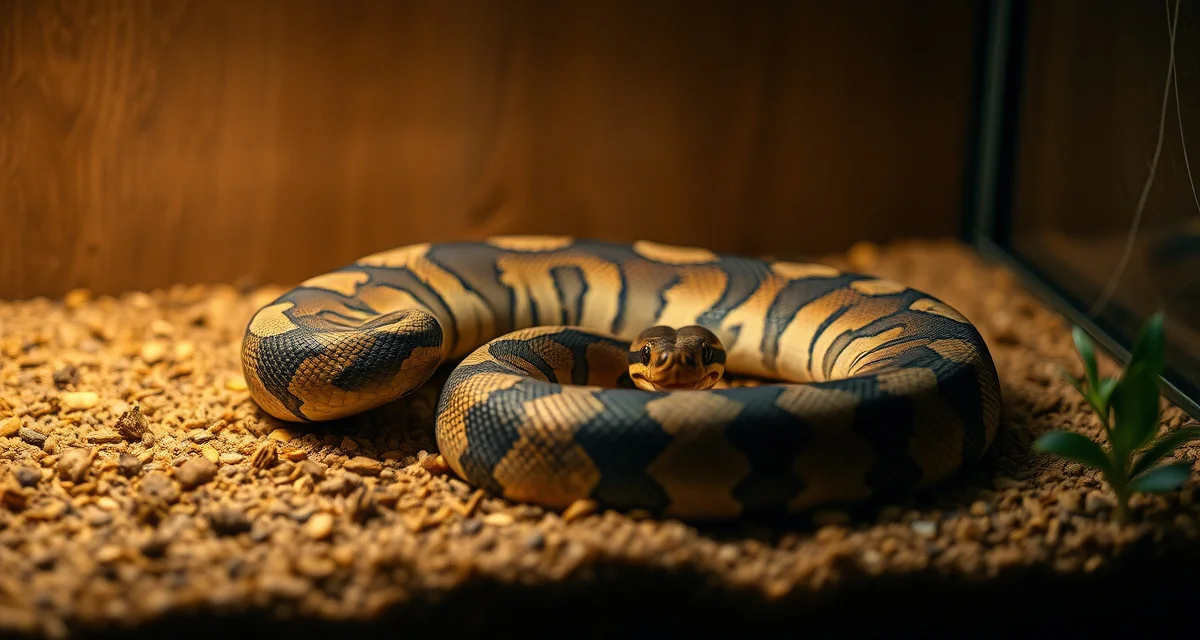
Ball Python Off-Season Management and Breeder Recovery
By HatchLedger Editorial Team · Published 2025-02-06 · Updated Mar 13, 2026
The off-season is when next year's breeding season is made or lost. What you do with your breeder animals from June through September determines whether they're ready to go in November, or whether they need another season to recover. Most breeders are good at the active parts of breeding. Fewer are good at the recovery and maintenance work that happens when the incubators are empty.
TL;DR
- Ball python breeding operations require systematic record-keeping from pre-season preparation through end-of-season sales.
- Females at 1,200-1,500g or more are the target weight before introducing them to a breeding male.
- Ovulation detection is the key event that anchors pre-lay shed and lay date calculations.
- Clutch profitability guide depends on understanding actual cost basis per animal, not just gross sale revenue.
- Well-documented animals with complete feeding histories and clear genetic records consistently sell faster and at higher prices.
Breeders using integrated software report 30% less time on administrative tasks. That time buys you the attention your recovering animals need.
Why Off-Season Management Gets Neglected
After a long breeding season, there's a natural psychological letdown. The excitement of hatchlings and sales is over. The animals are all separated. It feels like a slower time.
But for your females especially, the off-season is the most demanding period of their care cycle. A female that produced a clutch has burned through notable body reserves. She needs aggressive feeding, monitoring, and often months of recovery before she can be considered for another breeding season.
Neglect this window, and you'll bring underweight, under-recovered females into breeding season, and wonder why results are disappointing.
How to Manage Ball Pythons Through the Off-Season
Step 1: Post-Lay Female Assessment
The day after your last clutch of the season lays, do a full condition assessment on every breeding female. Weigh them. Note their body condition, visible spine? Neck too thin? Eyes dull?
A female that laid a full clutch in March and hasn't been fed aggressively since then is probably in notable deficit. These animals need immediate, sustained attention.
Log current weight against pre-breeding weight for every female. The gap tells you how much recovery work lies ahead.
Step 2: Start Aggressive Recovery Feeding Immediately
Don't wait until fall. As soon as a female has laid and recovered from the lay (typically 2-3 weeks), begin a recovery feeding schedule. Every 7 days. Prey items at 10-15% of body weight.
Some females will refuse food for the first few weeks post-lay, this is normal. Offer food, give a day for a response, log the refusal, try again in 5-7 days. Once she starts eating, maintain consistent feeding frequency.
Step 3: Normalize Temperatures After Breeding Season
Once breeding season is over and the cooling protocol is done, bring temperatures back up to normal husbandry ranges. Females recovering from clutches benefit from warmer ambient temps that support their metabolism and feeding response.
Day temps back to 80-84°F with appropriate thermal gradients. Maintain normal humidity.
Step 4: Evaluate Males After the Season
Males that bred heavily through the season may have lost some weight, this is normal. Most males resume feeding readily once temperatures normalize. Start offering food again weekly and monitor.
Some males go through an extended post-season food refusal. As long as body condition is holding, this isn't usually cause for alarm. Monitor weight monthly and seek veterinary advice if a male declines more than 10% of body weight without resuming food.
Step 5: Conduct a Mid-Summer Breeding Inventory
By July or August, you should have a clear picture of which animals are ready for next season and which need more time. Make this assessment honestly:
- Which females have recovered to within 10% of pre-breeding weight?
- Which females are still notably underweight?
- Which males resumed feeding promptly and are maintaining condition?
- Are there any animals showing health concerns that need veterinary attention?
Females that aren't at 1,400g or above by August should not be bred the following season. This is a hard rule that most breeders violate out of enthusiasm and regret.
Step 6: Plan Your Next Season Pairings
The off-season is also the right time to plan next season. Review which pairings produced the most value. Which females produced the best clutches? Which males were most fertile? What genes do you want to pursue next year?
The ball python breeding hub has resources on planning breeding projects for maximum return.
Use the off-season assessment data to make these decisions from a position of knowledge rather than optimism.
Step 7: Address Equipment Maintenance and Facility Prep
When incubators are empty, clean them thoroughly. Check thermostats. Replace probes that are reading inconsistently. Clean and inspect all breeding enclosures.
This is also the time to evaluate your facility setup. Do you have enough space for next season's planned clutches? Are your record-keeping systems working, or did things slip during the busy season?
Use the reptile breeder software comparison to evaluate whether your current tracking tools served you well or whether there's a better option before next season starts.
Common Off-Season Mistakes
Stopping recovery feeding too early. A female who laid in March and is being fed normally by June is ahead of schedule. Most females need 4-6 months of heavy feeding to fully recover.
Not weighing animals monthly. Off-season management without data is just hoping. Weigh every animal monthly and log it.
Breeding an under-recovered female the next season. If she's not at weight in November, she doesn't breed that year. This is non-negotiable if you care about long-term animal health and productivity.
Missing health issues that develop during the season. The stress of breeding can surface latent health issues. The off-season is when you should be doing thorough individual assessments and addressing anything that needs veterinary attention.
What is the best approach to ball python off season management?
Prioritize post-lay female recovery from day one. Start aggressive recovery feeding within 2-3 weeks of laying, normalize temperatures as soon as breeding season ends, and make an honest mid-summer assessment of which animals are ready for next season. The off-season decisions you make in June determine what your season looks like in November.
How do professional breeders handle ball python off season management?
Professional breeders treat the off-season as a production investment period. They track recovery feeding and weight gain just as carefully as breeding season weight and conditioning. They make early, clear decisions about which animals breed next season and which need more recovery time, and they stick to those decisions even when it means sitting out a promising pairing.
What software helps manage ball python off season management?
HatchLedger connects off-season husbandry records directly to breeding season planning. When you can pull up a female's full recovery feeding history, current weight, and previous clutch performance from the same tool, making informed decisions about next season's pairings becomes straightforward rather than guesswork.
Related Articles
FAQ
What is Ball Python Off-Season Management and Breeder Recovery?
Ball python off-season management refers to the systematic care, recovery, and preparation of breeder animals during the non-breeding months, typically June through September. After a demanding breeding season, females need time to regain body condition, resume consistent feeding, and rebuild fat reserves. Males require similar recovery periods. This phase also includes record-keeping, genetic planning for the next season, and evaluating which animals performed well. Done properly, off-season management determines whether your breeders are ready to produce again come November or need to sit out another year.
How much does Ball Python Off-Season Management and Breeder Recovery cost?
Off-season management itself has no fixed cost—it's part of routine husbandry. However, neglecting it creates real financial losses: underweight females that skip a season, reduced clutch sizes, or animals that require veterinary intervention. Feed costs increase as recovering animals need more frequent, larger meals. Software tools like HatchLedger can help track recovery progress efficiently. Budget primarily for quality feeder animals, a reliable scale, and time. The cost of doing it poorly far exceeds the cost of doing it right.
How does Ball Python Off-Season Management and Breeder Recovery work?
Off-season management works by systematically monitoring each breeder's weight, feeding response, and body condition after the season ends. Females that produced clutches are separated, fed aggressively, and weighed regularly until they return to or exceed their pre-season weight. Records are updated with shed dates, feeding logs, and health notes. Males are similarly rested and refed. Breeders also use this period to review pairing outcomes, update genetic records, and plan which animals to pair the following season based on documented performance.
What are the benefits of Ball Python Off-Season Management and Breeder Recovery?
Proper off-season management increases clutch frequency by ensuring females recover fully before the next breeding cycle. It reduces skipped seasons, improves egg counts, and lowers the risk of reproductive complications like retained eggs. Animals with complete, well-documented histories sell faster and command higher prices. Systematic record-keeping during this phase also surfaces patterns—which females are reliable producers, which pairings yield the best results—that directly improve next season's profitability. Breeders who manage recovery well consistently outperform those who treat it as downtime.
Who needs Ball Python Off-Season Management and Breeder Recovery?
Any ball python breeder running females through a breeding season needs a structured off-season protocol. This is especially critical for breeders producing more than a few clutches per year, where individual animal tracking becomes difficult without systems in place. New breeders benefit from establishing good habits early. Experienced breeders with large collections benefit most from software-assisted tracking. If you own breeding females, you need off-season management—there is no size of operation where recovery monitoring becomes optional.
How long does Ball Python Off-Season Management and Breeder Recovery take?
The core recovery period runs approximately four to five months, from when the last eggs are laid through the start of the next breeding season in October or November. Most females need the full June through September window to regain target weight of 1,200–1,500 grams or more before being introduced to males again. Some heavily worked females, particularly those that produced multiple clutches or lost significant body mass, may need to skip the following season entirely. Consistent weight monitoring tells you where each animal stands.
What should I look for when choosing Ball Python Off-Season Management and Breeder Recovery?
When evaluating your off-season management approach, look for a system that makes record-keeping fast enough that you'll actually do it. Weight logs, feeding records, and shed dates should be easy to enter and review. Good tracking tools surface trends across animals rather than requiring you to manually compare notes. Choose software designed specifically for reptile breeders rather than generic spreadsheets. Also look for integration between your off-season records and your breeding season planning, so recovery data directly informs next year's pairing decisions.
Is Ball Python Off-Season Management and Breeder Recovery worth it?
Yes, structured off-season management consistently delivers measurable returns. Females that recover fully produce larger, more viable clutches. Skipped seasons represent significant lost revenue—a proven female sitting out costs you both the clutch income and the ongoing feeding expense. Breeders who maintain detailed records report faster animal sales and stronger buyer confidence. The administrative overhead is real but manageable with the right tools. For anyone running a serious breeding operation, treating the off-season as a critical production phase rather than downtime is one of the highest-return habits you can build.
Sources
- USARK (United States Association of Reptile Keepers)
- Association of Reptilian and Amphibian Veterinarians (ARAV)
- World of Ball Pythons (WoBP genetics guide reference)
- MorphMarket (industry marketplace data)
- Reptiles Magazine (Bowtie Inc.)
Off-Season Management in HatchLedger
Get Started with HatchLedger
Every part of a ball python breeding operation -- from pairing records to clutch documentation to financial tracking -- works better when the data is connected rather than scattered across notebooks and spreadsheets. HatchLedger is built for exactly that. Try it free with up to 20 animals.