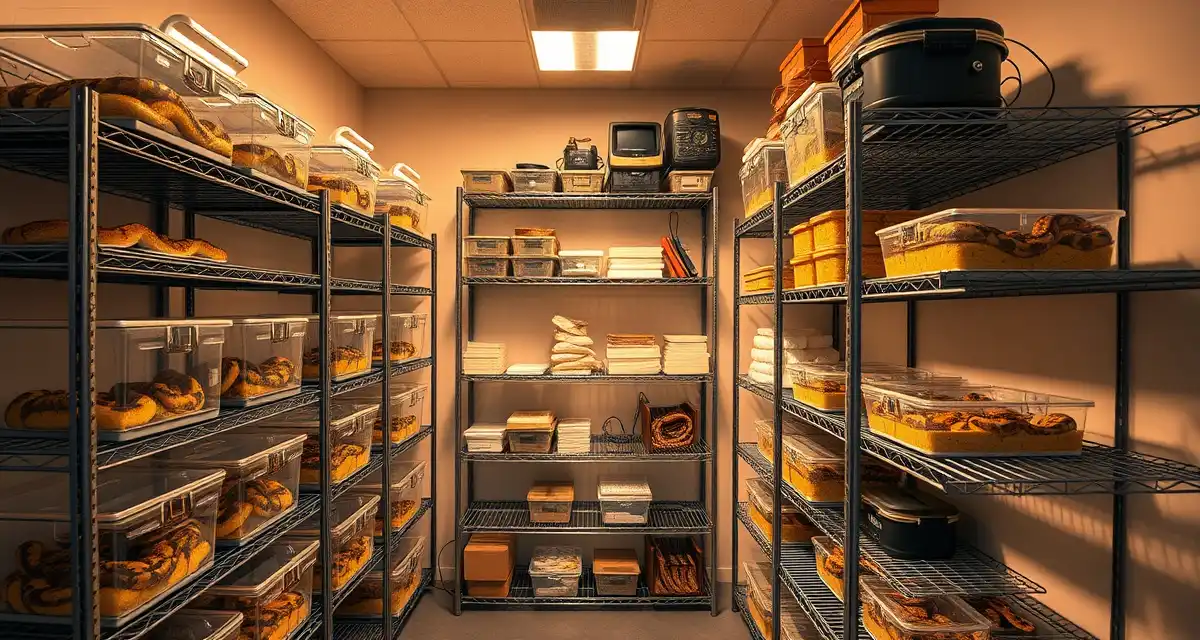
Ball Python Breeding Startup Costs: What to Budget
By HatchLedger Editorial Team · Published 2025-02-07 · Updated Mar 13, 2026
People consistently underestimate what it costs to start a ball python breeding operation. I've seen breeders spend $800 on animals, then realize they need racks, an incubator, feeding supplies, and multiple years of patience before a single sale. Here's a realistic breakdown of what you actually need and what it costs.
TL;DR
- Ball python breeding operations require systematic record-keeping from pre-season preparation through end-of-season sales.
- Females at 1,200-1,500g or more are the target weight before introducing them to a breeding male.
- Ovulation detection is the key event that anchors pre-lay shed and lay date calculations.
- Clutch profitability guide depends on understanding actual cost basis per animal, not just gross sale revenue.
- Well-documented animals with complete feeding histories and clear genetic records consistently sell faster and at higher prices.
Tier 1: Minimal Viable Setup (1-2 pairs, hobbyist)
This is the absolute floor for a functioning breeding setup.
Foundation animals:
- 2 quality breeding females (1,700g+): $200-$800 depending on morph
- 1 breeding male: $100-$500 depending on genetics guide
- Subtotal: $300-$1,300
Housing:
- Rack system or 2-3 tubs for females + 1 for male: $150-$300
- Heat tape or flexwatt, thermostat: $80-$150
- Hides (2 per animal): $30-$60
- Water dishes: $15-$25
- Subtotal: $275-$535
Incubation:
- Basic incubator (Hovabator or equivalent): $80-$150
- Incubation containers (deli cups or shoeboxes): $15-$30
- Substrate (Hatchrite, vermiculite): $20-$30
- Digital thermometer/hygrometer: $25-$40
- Subtotal: $140-$250
Feeding:
- Frozen prey initial stock (10-15 items): $30-$50
- Subtotal: $30-$50
Miscellaneous:
- Probes for sexing: $30-$60
- Spray bottle, thermometer gun: $25-$40
- Basic medications (betadine, wound spray): $20-$30
- Subtotal: $75-$130
Tier 1 Total: $820-$2,265
Tier 2: Semi-Pro Setup (5-10 pairs, producing commercially)
Once you're running more than 2-3 pairs with commercial intent, costs scale.
Foundation animals:
- 8-12 breeding females: $2,000-$8,000
- 3-5 males with quality genetics: $800-$4,000
- Subtotal: $2,800-$12,000
Housing:
- Animal Plastics or Vision rack systems: $800-$2,500
- Thermostats (Herpstat or Spyder): $200-$500
- Subtotal: $1,000-$3,000
Incubation:
- Quality incubator (Pro Creation, Reptibator, or converted wine cooler): $300-$600
- Backup heat source: $100-$200
- Subtotal: $400-$800
Hatchling setup:
- Grow-out racks for 20-40 hatchlings: $400-$900
- Additional heat tape and thermostats: $150-$300
- Subtotal: $550-$1,200
Annual operating costs (ongoing):
- Prey (feeding 15 animals weekly): $600-$1,200/year
- Electricity: $300-$600/year
- Incubation supplies: $50-$100/year
- Veterinary: $200-$500/year
- Annual subtotal: $1,150-$2,400/year
Tier 2 Setup Total (one-time): $4,750-$17,000
The Hidden Costs Most New Breeders Miss
Holding inventory. You won't sell every hatchling immediately. Animals sitting in grow-out racks for 3-6 months eat prey, occupy space, and cost electricity. Budget for 30% of hatchlings taking 4+ months to sell.
Genetic investment in recessives. If you're building a Clown or Pied project from hets, your first 2 seasons produce no visual animals for sale, only hets that sell for $150-$400. You're paying annual costs while building toward visuals that are 2-3 seasons away.
Failed pairings. Not every pairing produces a clutch. Budget for 20-30% of pairings not resulting in viable eggs in any given season.
Medical costs. Ball pythons are generally hardy, but a respiratory infection, mites, or dystocia (egg binding) requiring veterinary intervention can cost $150-$400 per incident. Set aside a small emergency fund.
Return on Investment: When Does It Break Even?
Minimal setup (Tier 1), co-dom project:
- Year 1: Spend $1,200-$2,000, produce 1 clutch of co-dom combos, gross $400-$900
- Year 2: Annual costs $400-$600, produce 2 clutches, gross $800-$1,800
- Break even: Year 2-3 depending on morph selection and sales execution
Semi-pro setup (Tier 2), recessive project:
- Year 1-2: Spend $5,000-$15,000, produce het animals, gross $1,000-$4,000
- Year 3: Visual Clown/Pied animals emerge, gross $3,000-$10,000
- Break even: Year 4-5 for full setup cost recovery
Tracking Costs in HatchLedger
HatchLedger's budget calculator tracks cost per egg and cost per hatchling across each clutch. Enter your feed costs, acquisition costs, and infrastructure costs as they occur. Over time you'll see your actual cost per animal produced, which tells you whether your pricing is covering costs and building margin.
This data is what separates a hobby that bleeds money from a sustainable breeding operation.
Related Articles
- Ball Python Breeding: Complete Hub for Professional Breeders
- Ball Python Breeding Records: A Complete Guide
- Ball Python Breeding Business: Complete Guide
FAQ
What is the best approach to ball python breeding startup costs?
Build your budget around two scenarios: the optimistic case where everything works and the realistic case where 30% of pairings fail and 20% of hatchlings are problem sellers. The gap between those scenarios is your cash reserve requirement. Start smaller than you think you need and scale up once you've proven your operation can actually sell what it produces.
How do professional breeders handle ball python breeding startup costs?
Experienced breeders think in terms of ROI timelines, not just sticker costs. They know their annual operating cost per animal, their target price per hatchling in each morph category, and their break-even clutch size. They track these numbers using management software and revisit their financial model at the end of each season based on actual results.
What is Ball Python Breeding Startup Costs: What to Budget?
Ball python breeding startup costs refer to the full range of expenses required to launch a functional breeding operation, including foundation animals, housing, heating, incubation, and feeding supplies. A minimal hobbyist setup with one to two pairs typically runs $600 to $2,500 before your first clutch hatches. This guide breaks down each cost category so you can budget realistically and avoid the common mistake of underestimating infrastructure expenses after already spending on animals.
How much does Ball Python Breeding Startup Costs: What to Budget cost?
A bare-minimum setup with one to two breeding pairs costs roughly $600 to $2,500. Foundation animals alone range from $300 to $1,300 depending on morph and genetics. Housing, heating, and a thermostat add another $230 to $450. An incubator, feeding supplies, and miscellaneous equipment bring the total higher. Breeders targeting higher-value morphs or scaling to three or more pairs should budget $3,000 to $6,000 or more for a properly equipped first season.
How does Ball Python Breeding Startup Costs: What to Budget work?
Ball python breeding works by pairing a conditioned male with females who have reached a target weight of 1,200 to 1,500 grams or more. Cooling triggers breeding behavior, and you monitor females for ovulation, which anchors your pre-lay shed and expected lay date. Eggs incubate for roughly 55 to 65 days. Hatchlings are fed, grown out, and sold with documented feeding histories and genetic records, which directly affects resale value and buyer confidence.
What are the benefits of Ball Python Breeding Startup Costs: What to Budget?
Understanding startup costs helps you avoid underfunding your operation and running out of resources mid-season. Accurate budgeting lets you calculate a true cost basis per animal so clutch profitability is based on real numbers, not guesswork. Knowing what you spent also supports better record-keeping, smarter morph selection, and more competitive pricing. Breeders who plan expenses upfront are less likely to sell animals at a loss or abandon the project before recouping their investment.
Who needs Ball Python Breeding Startup Costs: What to Budget?
This guide is for anyone considering starting a ball python breeding operation, from hobbyists running one or two pairs to those planning a small commercial setup. It is especially useful for first-time breeders who have priced animals but have not yet accounted for racks, incubators, thermostats, and years of feeding costs before sales begin. Experienced breeders scaling up will also find the tiered cost breakdowns helpful for projecting expansion expenses accurately.
How long does Ball Python Breeding Startup Costs: What to Budget take?
From initial purchase to first sales, expect a timeline of two to three years minimum. Females must reach breeding weight, which can take one to two years if starting with juveniles. Breeding season runs fall through early spring, eggs incubate roughly two months, and hatchlings need several months of feeding before they are sale-ready. Add time for finding buyers and building a reputation. Patience and consistent record-keeping throughout this period directly impact the prices your animals command.
Sources
- USARK (United States Association of Reptile Keepers)
- Association of Reptilian and Amphibian Veterinarians (ARAV)
- World of Ball Pythons (WoBP genetics reference database)
- MorphMarket (reptile industry marketplace)
- Reptiles Magazine (Bowtie Inc.)
Get Started with HatchLedger
Every part of a ball python breeding operation -- from pairing records to clutch documentation to financial tracking -- works better when the data is connected rather than scattered across notebooks and spreadsheets. HatchLedger is built for exactly that. Try it free with up to 20 animals.