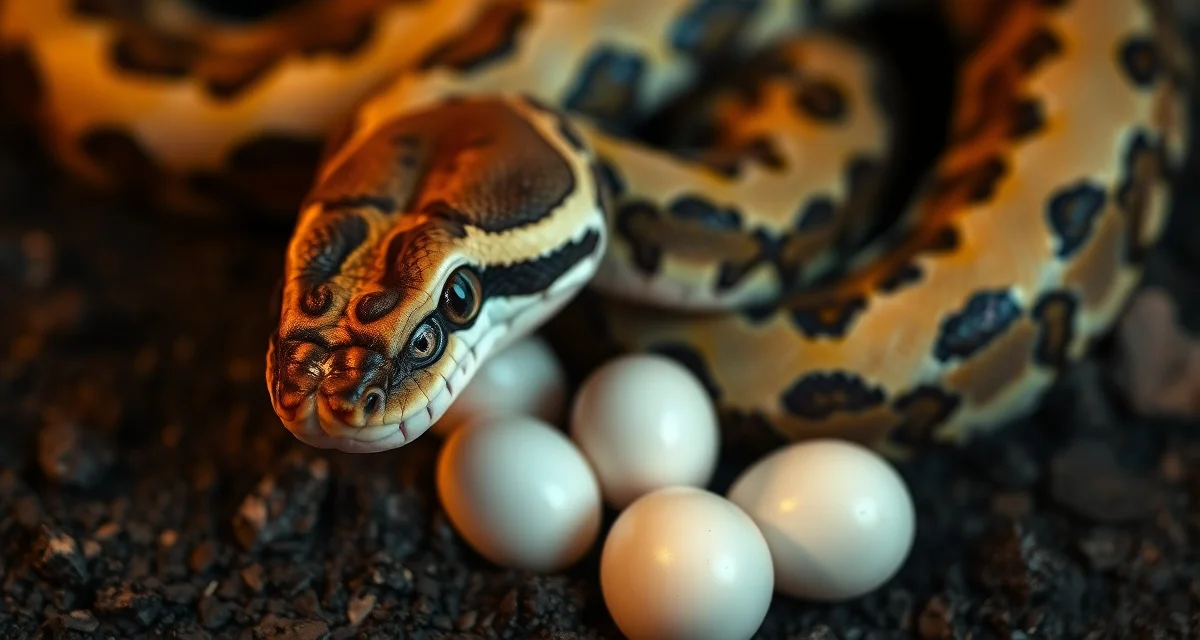
Carpet Python Clutch Size and Egg Count: Complete Breeder Guide
By HatchLedger Editorial Team · Published 2025-03-12 · Updated Mar 13, 2026
Carpet python clutch sizes are moderate by large python standards -- typically 10-25 eggs for most subspecies genetics overview in captivity, with occasional outliers above or below that range. Understanding what drives clutch size variation and tracking it across seasons is how serious carpet breeders optimize their programs. Breeders using integrated software report 30% less time on administrative tasks, giving you more time to focus on the conditioning and management that influences how many viable eggs your females produce.
TL;DR
- Carpet pythons (Morelia spilota) encompass multiple recognized subspecies including coastal, jungle, diamond, and Irian Jaya, each with distinct breeding triggers.
- Most carpet python subspecies require a 2-3 month seasonal cycling period with temperatures dropping 10-15 degrees Fahrenheit to trigger reliable ovulation.
- Average clutch sizes range from 10-20 eggs, with large female diamond carpets sometimes producing 25 or more.
- Incubation typically runs 55-65 days at 84-88 degrees Fahrenheit, slightly lower than ball python targets.
- Subspecies identification in your records matters: crossing subspecies produces offspring of uncertain market value and documentation becomes complex.
Clutch size and egg quality are influenced by many factors, most of which you have meaningful control over through your husbandry and breeding management practices.
Average Clutch Sizes by Subspecies
Coastal carpet pythons (M. s. mcdowelli) tend toward larger clutches (15-25 eggs) given their larger adult body size. Jungle carpets (M. s. cheynei) are smaller animals and typically produce smaller clutches (8-15 eggs). Irian Jaya carpets fall somewhere in between. Diamond pythons, a related subspecies sometimes worked alongside Morelia spilota, typically produce smaller clutches of 8-15 eggs.
Size at breeding matters significantly within these ranges. A larger, heavier coastal carpet female will generally produce a bigger clutch than a smaller female of the same subspecies at first breeding. Age also plays a role -- females in their prime reproductive years (3-8 years) typically produce larger clutches than very young or older females.
What Drives Larger Clutches
Female body condition going into breeding season is the single most controllable factor. Females that enter the cooling period at healthy body weight with good muscle tone consistently produce larger clutches than thin or obese animals. The pre-cycling feeding period (summer through early fall) is the time to ensure your females are well-conditioned.
Sufficient copulation events during the pairing period improve fertilization rates and reduce the proportion of slugs in the clutch. Tracking which pairings had confirmed copulation (not just cohabitation) helps diagnose high slug rates when they occur.
Temperature stability during follicle development -- the period between ovulation and egg-laying -- affects the quality of eggs that are produced. Temperature extremes, cold stress, or major disruptions during this critical window can reduce egg viability.
Slug Rate Considerations
Every clutch contains some slugs (infertile eggs). A rate of 10-15% slugs in an otherwise healthy clutch is normal. Rates above 25-30% suggest a problem: male fertility issues, insufficient pairings, or female reproductive stress.
When you see an unusually high slug rate, review your pairing records. Were copulation events confirmed, or was the pair simply cohoused without observed breeding? Has the male been tested against other females to determine if the issue is male-specific?
Document slug count separately from viable egg count in your clutch records. This data becomes valuable when comparing seasons and diagnosing recurring problems.
At Lay: What to Do Immediately
When your female lays her clutch, assess eggs within the first 12-24 hours. Remove any obvious slugs promptly -- slugs mold quickly and mold can spread to adjacent viable eggs. Photograph the clutch before and after slug removal. Count all eggs, separate viable from slugs, and record the data.
If you're using artificial incubation, this is when you transfer eggs from the female. Mark the top of each egg gently with a pencil before moving so you can maintain their original orientation during transfer -- egg rotation after the embryo anchors can cause developmental failure.
HatchLedger tracks clutch records including total eggs, slug count, and viable count, linked to the breeding pair.
HatchLedger connects clutch data to your financial records for per-clutch P&L analysis.
Frequently Asked Questions
What is the best approach to carpet python clutch size optimization?
Focus on female conditioning before breeding season -- animals in lean-to-moderate condition with good muscle tone consistently produce larger clutches. Ensure sufficient confirmed copulation events during the pairing period to minimize slug rates. Maintain temperature stability from ovulation through egg-laying. Document every clutch in detail: total eggs, slug count, lay date, and initial egg condition. Track this data across seasons to build a picture of each female's productive capacity.
How do professional breeders handle carpet python clutch size tracking?
Professional breeders document every clutch detail and compare across seasons for each female. They track slug rates as a performance indicator and investigate unusual deviations. When slug rates are high, they review pairing records to determine if the cause is male fertility, insufficient pairings, or incubation management. They also connect clutch outcomes to financial analysis, knowing that a clutch of 20 eggs at a given morph value has very different financial implications than a clutch of 10 eggs.
What software helps manage carpet python clutch records?
HatchLedger is purpose-built for reptile breeders, connecting animal records, breeding history, clutch outcomes, and financial tracking in one system. Unlike generic spreadsheets, it's designed around the specific workflow of an active breeding season. Free for up to 20 animals.
How do carpet python subspecies differ in breeding requirements?
Irian Jaya carpet pythons are among the most forgiving of the subspecies and often respond to minimal cycling. Jungle carpets and coastal carpets benefit from more pronounced temperature drops. Diamond carpet pythons from cooler Australian habitats may require the most aggressive cooling protocol of all the subspecies to achieve reliable ovulation.
Can carpet pythons from different subspecies be crossed?
Technically yes, but the practice is controversial. Many buyers specifically seek pure-subspecies animals, and crossing reduces the value and marketability of offspring. Maintaining clear subspecies documentation in your records is important whether you keep them pure or not.
What is Carpet Python Clutch Size and Egg Count: Complete Breeder Guide?
This is a comprehensive breeder's reference covering carpet python (Morelia spilota) clutch sizes across subspecies including coastal, jungle, diamond, and Irian Jaya. It explains what drives egg count variation, typical ranges of 10-25 eggs per clutch, incubation parameters, and how tracking clutch data across seasons helps breeders optimize their programs for consistent, viable egg production.
How much does Carpet Python Clutch Size and Egg Count: Complete Breeder Guide cost?
The guide is free to read on HatchLedger. There is no purchase required to access the clutch size data, incubation targets, or subspecies breeding information. HatchLedger does offer breeding management software that breeders can use to track clutch records, female conditioning history, and seasonal cycling data, with pricing available on the platform.
How does Carpet Python Clutch Size and Egg Count: Complete Breeder Guide work?
The guide walks breeders through the key variables influencing carpet python clutch size: female body condition, subspecies identity, seasonal cycling length, and pairing timing. It outlines incubation targets of 84-88°F for 55-65 days and explains how documenting each season's results helps breeders identify patterns and make informed decisions about female management and breeding schedules.
What are the benefits of Carpet Python Clutch Size and Egg Count: Complete Breeder Guide?
Breeders gain a clear benchmark for expected clutch sizes by subspecies, reducing uncertainty when evaluating female performance. The guide also highlights the importance of subspecies record-keeping for maintaining offspring market value and documentation integrity. Breeders who use structured tracking tools report spending 30% less time on administrative tasks, freeing more time for hands-on husbandry and conditioning work.
Who needs Carpet Python Clutch Size and Egg Count: Complete Breeder Guide?
This guide is aimed at carpet python breeders at any experience level — from hobbyists producing their first clutches to professional operations managing multiple subspecies lines. It is especially useful for breeders who want to move beyond guesswork and use consistent data to improve female conditioning, clutch viability, and long-term program planning across breeding seasons.
How long does Carpet Python Clutch Size and Egg Count: Complete Breeder Guide take?
Reading the guide takes roughly 10-15 minutes. Applying its principles is an ongoing seasonal process: carpet pythons require a 2-3 month cycling period with a 10-15°F temperature drop to trigger reliable ovulation, followed by 55-65 days of incubation. Breeders should expect to track results across multiple seasons before identifying clear patterns in their specific females and subspecies lines.
Related Articles
- Boa Constrictor Clutch Size and Egg Count: Complete Breeder Guide
- Corn Snake Clutch Size and Egg Count: Complete Breeder Guide
Sources
- USARK (United States Association of Reptile Keepers)
- Association of Reptilian and Amphibian Veterinarians (ARAV)
- Australian Journal of Zoology
- Herpetofauna (Australian Herpetological Society)
- The Herpetoculture of Morelia (published reference)
Get Started with HatchLedger
Carpet python breeding across multiple subspecies means tracking distinct protocols per animal and maintaining subspecies lineage documentation that buyers increasingly expect. HatchLedger connects animal records, breeding history, and clutch documentation in one system. Try it free with up to 20 animals.