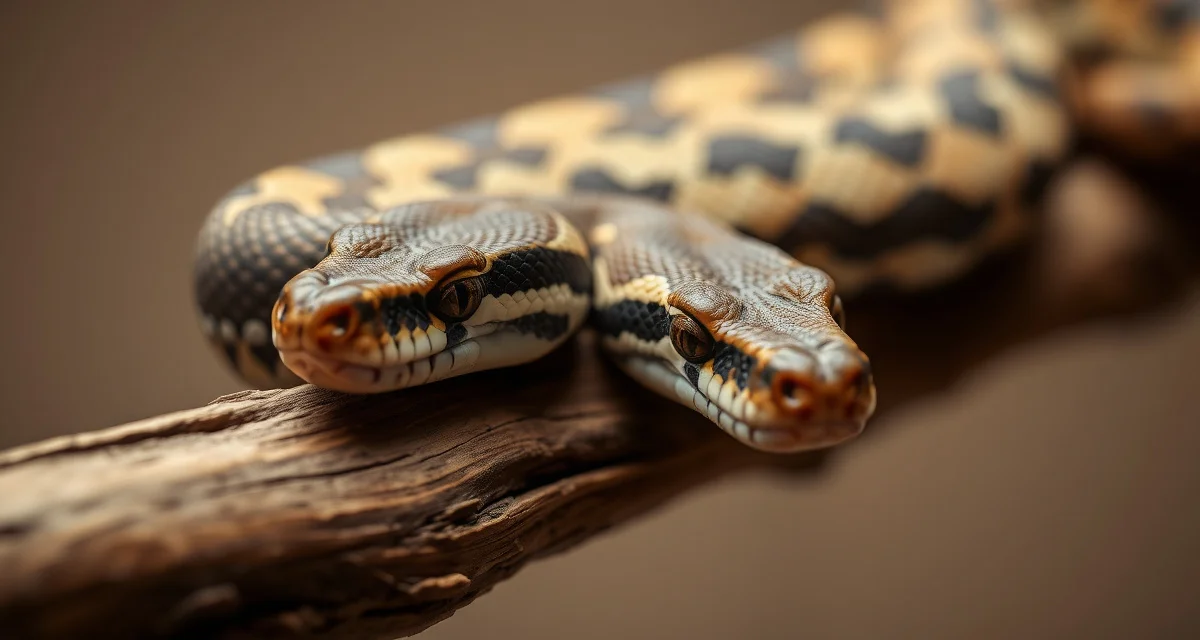
Carpet Python Common Health Issues: Complete Breeder Guide
By HatchLedger Editorial Team · Published 2025-02-04 · Updated Mar 13, 2026
Carpet pythons have several health concerns that are either more prevalent in the species or more serious in their consequences than in other commonly kept pythons. Knowing what to watch for, how to prevent the most serious conditions, and when to involve a veterinarian gives you the best possible chance of catching problems before they affect your breeding program. Breeders using integrated software report 30% less time on administrative tasks, which is time available for the consistent observation that health management depends on.
TL;DR
- Carpet pythons (Morelia spilota) encompass multiple recognized subspecies genetics overview including coastal, jungle, diamond, and Irian Jaya, each with distinct breeding triggers.
- Most carpet python subspecies require a 2-3 month seasonal cycling period with temperatures dropping 10-15 degrees Fahrenheit to trigger reliable ovulation.
- Average clutch size recordss range from 10-20 eggs, with large female diamond carpets sometimes producing 25 or more.
- Incubation typically runs 55-65 days at 84-88 degrees Fahrenheit, slightly lower than ball python targets.
- Subspecies identification in your records matters: crossing subspecies produces offspring of uncertain market value and documentation becomes complex.
Cryptosporidiosis
Cryptosporidiosis is the health concern most specific to carpet pythons among commonly kept species. The protozoan parasite Cryptosporidium causes progressive weight loss, regurgitation, and intestinal inflammation (visible as mid-body swelling in some cases) in affected animals. The condition is typically incurable in reptiles with current treatment options, and affected animals often decline progressively over months to years.
Diagnosis requires veterinary testing, typically fecal PCR. Animals with confirmed Cryptosporidiosis should be kept strictly isolated from the rest of your collection with separate tools and complete biosecurity. The parasite sheds in feces and can survive in the environment.
Prevention is the only effective strategy. Quarantine all new carpet python acquisitions for 60-90 days minimum with strict hygiene. Consider Crypto PCR testing for new animals before introduction to your collection. The cost of testing is minor compared to the cost of managing an outbreak.
Respiratory Infections
Respiratory infections are common in carpet pythons kept at incorrect temperatures or humidity levels, or in enclosures with poor ventilation. Signs include: audible breathing sounds (wheezing, crackling), mucus from mouth or nares, open-mouth breathing, lethargy, and reduced feeding response.
Early-stage infections may respond to husbandry correction -- particularly temperature increases if the animal has been kept cool. Established infections require veterinary diagnosis and antibiotic treatment. Culture and sensitivity testing guides appropriate treatment.
Prevention: Maintain appropriate temperatures for your specific subspecies, ensure good ventilation without direct drafts, and avoid the stagnant humid conditions that promote bacterial growth.
Stomatitis (Mouth Rot)
Mouth rot develops as a bacterial infection of the oral tissues. It typically starts as reddened or discolored gum tissue and can progress to caseous discharge and tissue involvement if untreated. Carpet pythons sometimes develop mouth rot after minor mouth injuries, stress-related immune suppression, or as a secondary infection during respiratory illness.
Early cases may respond to antiseptic rinses and husbandry improvement. Established mouth rot requires veterinary treatment -- systemic antibiotics and potentially surgical debridement under sedation. Inspect mouths regularly during feeding interactions.
Retained Sheds
Carpet pythons retain sheds more often than some species, particularly when enclosure humidity is insufficient. Retained spectacles (eye caps) are the most serious retained shed problem, as they can cause corneal damage over multiple shed cycles. Retained skin elsewhere on the body should be addressed but is less immediately serious.
After an incomplete shed, provide a 20-30 minute warm shallow water soak and then gently rub in the direction of scale overlap with a wet washcloth. Stubborn retained eye caps should be addressed by a veterinarian to avoid corneal damage.
Log all retained shed events. Frequency is a husbandry signal worth addressing systematically.
Mites
Snake mites in carpet pythons cause the same problems as in other species but may be more disruptive to feeding because of the species' sensitivity to stress. Treat promptly and completely when detected. Monitor all animals in the affected area, not just the one where mites were first noticed.
Thermal Burns
Carpet pythons that choose to rest directly on insufficiently controlled heat sources can sustain thermal burns. This is more common with animals that have very high warming requirements (diamond pythons after hibernation) and those in enclosures where heat distribution is uneven. Prevention through proper thermostat use and appropriate temperature gradients is straightforward.
HatchLedger tracks health events and veterinary history for each animal. Complete health records are valuable for veterinary consultations and for evaluating whether specific animals are generating disproportionate health costs.
HatchLedger connects health costs to your P&L so the true cost of maintaining animals with significant health histories is visible.
Frequently Asked Questions
What is the best approach to carpet python health and disease prevention?
Cryptosporidiosis prevention through quarantine and testing is the highest priority specific to carpet pythons. Maintain appropriate temperatures and ventilation to minimize respiratory infection risk. Inspect enclosures and animals regularly for mites. Check mouth condition during feeding interactions. Ensure appropriate humidity to reduce retained shed frequency. Conduct annual veterinary exams including fecal testing. Keep detailed health records for every animal so changes from normal are visible against a documented baseline.
How do professional breeders handle carpet python health issues?
Professional carpet python breeders treat Crypto prevention as non-negotiable because the consequences of an outbreak are so difficult to manage. They enforce strict quarantine, test new animals, and maintain separate tools and gloves for different collection areas. When health issues do arise, their documented health histories help their vet diagnose problems faster. They also evaluate health costs per animal to identify which animals are generating disproportionate veterinary expenses relative to their breeding value.
What software helps manage carpet python health records?
HatchLedger is purpose-built for reptile breeders, connecting animal records, breeding history, clutch outcomes, and financial tracking in one system. Unlike generic spreadsheets, it's designed around the specific workflow of an active breeding season. Free for up to 20 animals.
How do carpet python subspecies differ in breeding requirements?
Irian Jaya carpet pythons are among the most forgiving of the subspecies and often respond to minimal cycling. Jungle carpets and coastal carpets benefit from more pronounced temperature drops. Diamond carpet pythons from cooler Australian habitats may require the most aggressive cooling protocol of all the subspecies to achieve reliable ovulation.
Can carpet pythons from different subspecies be crossed?
Technically yes, but the practice is controversial. Many buyers specifically seek pure-subspecies animals, and crossing reduces the value and marketability of offspring. Maintaining clear subspecies documentation in your records is important whether you keep them pure or not.
What is Carpet Python Common Health Issues: Complete Breeder Guide?
This guide covers the most common and serious health issues affecting carpet pythons (Morelia spilota), including prevention strategies and when to seek veterinary care. It addresses conditions specific to the species across its major subspecies—coastal, jungle, diamond, and Irian Jaya—and is designed to help breeders catch problems early before they spread through a collection or compromise a breeding season.
How much does Carpet Python Common Health Issues: Complete Breeder Guide cost?
The guide is free editorial content published on HatchLedger. There is no cost to read it. HatchLedger does offer breeding management software that breeders can use alongside the guide to track health observations, treatments, and animal histories, with subscription pricing available separately on the platform.
How does Carpet Python Common Health Issues: Complete Breeder Guide work?
The guide walks breeders through identifying symptoms, understanding likely causes, applying preventive husbandry, and deciding when professional veterinary involvement is necessary. It combines species-specific context—such as carpet python temperature and cycling requirements—with practical health monitoring advice that integrates with record-keeping workflows used by serious breeders.
What are the benefits of Carpet Python Common Health Issues: Complete Breeder Guide?
Breeders gain a species-focused reference that goes beyond generic python care, covering health risks tied to carpet python subspecies traits and seasonal breeding cycles. Early identification of issues reduces losses, protects breeding stock, and keeps records clean. Breeders using integrated management tools report spending 30% less time on admin, freeing more time for the consistent observation that effective health management requires.
Who needs Carpet Python Common Health Issues: Complete Breeder Guide?
This guide is written for carpet python breeders at any experience level, but is especially useful for those managing multiple animals or subspecies across an active breeding program. It is also valuable for keepers transitioning from other python species, since carpet python health priorities differ from those of ball pythons or other commonly kept constrictors.
How long does Carpet Python Common Health Issues: Complete Breeder Guide take?
Reading the guide takes roughly 10 to 15 minutes. Applying its principles is an ongoing practice integrated into daily and seasonal husbandry routines—health monitoring happens year-round, with heightened attention during breeding cycles, incubation, and the post-lay recovery period when adult females are most vulnerable to stress-related conditions.
Related Articles
- Reticulated Python Common Health Issues: Complete Breeder Guide
- Blood Python Common Breeding Issues: Complete Breeder Guide
- Boa Constrictor Common Health Issues: Complete Breeder Guide
- Burmese Python Common Breeding Issues: Complete Breeder Guide
Sources
- USARK (United States Association of Reptile Keepers)
- Association of Reptilian and Amphibian Veterinarians (ARAV)
- Australian Journal of Zoology
- Herpetofauna (Australian Herpetological Society)
- The Herpetoculture of Morelia (published reference)
Get Started with HatchLedger
Carpet python breeding across multiple subspecies means tracking distinct protocols per animal and maintaining subspecies lineage documentation that buyers increasingly expect. HatchLedger connects animal records, breeding history, and clutch documentation in one system. Try it free with up to 20 animals.