Clutch Tracking: Managing Eggs from Lay to Sale
By HatchLedger Editorial Team · Published 2025-04-24 · Updated Mar 13, 2026
Clutch tracking is the process of following each egg clutch from the day it's laid through the sale of the last hatchling. For breeders running multiple clutches simultaneously, systematic tracking is the difference between a managed breeding program and a chaotic one.
The Clutch Pipeline
Think of each clutch as a pipeline with defined stages:
- Laid: Eggs discovered and moved to incubation
- Incubating: Eggs in incubator, monitoring underway
- Pipped: First hatchlings cutting eggs
- Hatched: All hatchlings emerged, clutch complete
- Grow-out: Hatchlings in early care, feeding established
- Available: Animals listed for sale
- Sold: All animals from the clutch placed
At any point in the season, you should be able to see every clutch and where it sits in this pipeline. If you have 8 clutches and can't quickly answer which ones are still incubating versus which are in grow-out versus which are available for sale, your tracking needs improvement.
Simultaneous Clutch Management
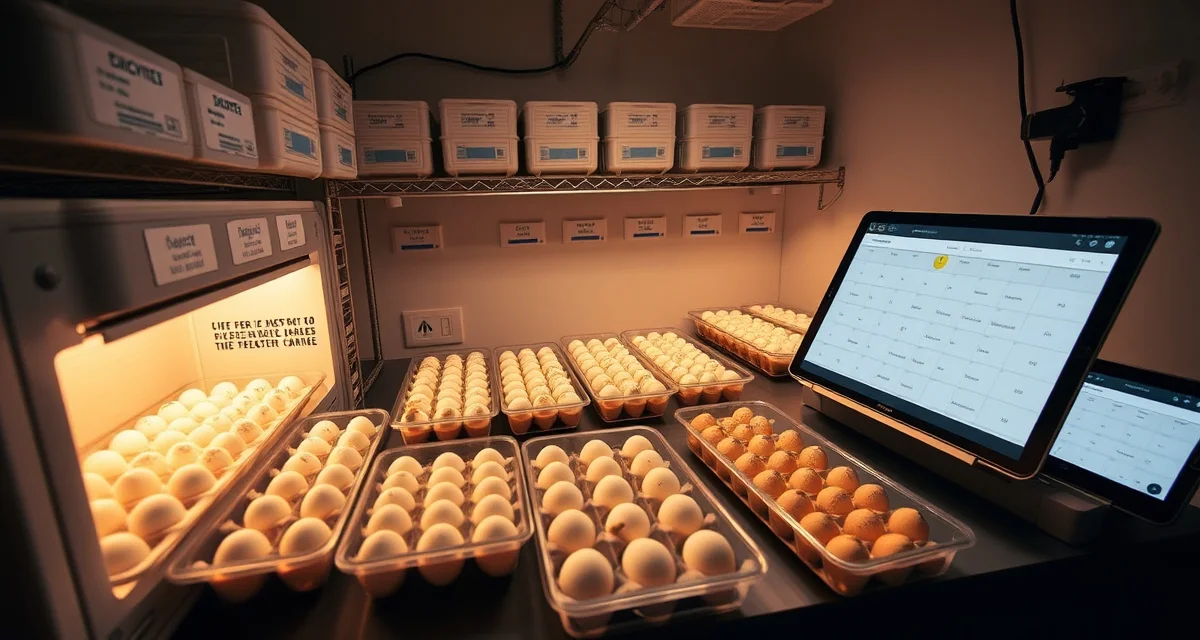
Ball python breeding seasons often produce multiple clutches in overlapping incubation windows. A female that laid in October and a female that laid in November may both have eggs incubating at the same time. If you're running 15-20 females, you could have 6-8 clutches in various incubation stages simultaneously.
Managing this without a tracking system invites errors: checking the wrong container, mislabeling hatchlings, confusing genetic records from different clutches. Label every incubation container clearly with the clutch ID, lay date, and expected pip date. In your tracking system, each clutch record should be immediately identifiable.
Expected vs. Actual Dates
Good clutch tracking uses predicted dates as targets and actual dates as data:
- Expected ovulation (from breeding records) vs. actual observed ovulation
- Expected pre-lay shed (28-35 days post-ovulation) vs. actual shed date
- Expected lay date (14-21 days post-shed) vs. actual lay date
- Expected pip date (55-65 days post-lay for ball pythons) vs. actual first pip
When actual dates diverge significantly from expected dates, that's a flag. A female at day 70 post-ovulation who hasn't laid warrants investigation. A clutch at day 70 post-lay with no pip may indicate a temperature issue or dead clutch.
Cross-Linking Clutch Records
Each clutch record should link to:
- Female record: Her full history, weight logs, prior clutches
- Male record: His breeding history, genetic documentation
- Breeding season record: The pairing dates and ovulation event
- Hatchling records: Individual records for each animal produced
- Financial record: Costs allocated and revenue generated
This interconnection is what makes a record system genuinely useful versus just a data dump. When you're troubleshooting a clutch with a poor hatch rate, you want to look at the female's female health tracking records, the incubation temperature logs, and the egg condition notes from inspections all at once.
Season Summary Tracking
At the end of each season, your clutch tracking data generates your season summary:
- Total clutches produced
- Total eggs laid vs. total hatchlings produced (overall hatch rate)
- Average clutch size
- Revenue by clutch and overall
- Which females produced, which didn't, and why
This summary is the foundation for next season's planning. Knowing your hatch rate by female, by incubator, and by morph combination helps you identify what's working and what isn't.
HatchLedger treats clutch tracking as a first-class feature, giving you a dashboard view of every active clutch and the ability to drill into clutch record keeping detail for any specific egg group.
FAQ
What is Clutch Tracking: Managing Eggs from Lay to Sale?
Clutch tracking is the systematic process of monitoring each egg clutch from the day it's laid through incubation, hatching, grow-out, and final sale. It gives reptile breeders a clear pipeline view of every clutch's current stage—whether eggs are still incubating, hatchlings are in grow-out, or animals are listed for sale. HatchLedger's clutch tracking tools help breeders manage multiple overlapping clutches without losing visibility into where each one stands in the breeding season.
How much does Clutch Tracking: Managing Eggs from Lay to Sale cost?
HatchLedger offers clutch tracking as part of its breeder platform. Pricing depends on the plan you choose, with options scaled to hobbyist and professional breeders. Because clutch tracking replaces spreadsheets, notebooks, and memory-based systems that cost time and lead to costly mistakes, most breeders find even a paid tier pays for itself quickly through better sales coordination and fewer missed follow-ups.
How does Clutch Tracking: Managing Eggs from Lay to Sale work?
Clutch tracking works by assigning each egg clutch a record that moves through defined pipeline stages: Laid, Incubating, Pipped, Hatched, Grow-out, Available, and Sold. You log key dates, incubation temps, hatch outcomes, and individual hatchling data as the clutch progresses. At any moment, you can see your full season at a glance—which clutches need attention today, which animals are ready to list, and which have sold.
What are the benefits of Clutch Tracking: Managing Eggs from Lay to Sale?
Systematic clutch tracking eliminates the guesswork that slows down busy breeding programs. Benefits include fewer missed incubation checks, faster listing of available animals, cleaner sales records, and better data for evaluating pairing outcomes year over year. When running 6–10 simultaneous clutches, tracking prevents mix-ups between animals, ensures every hatchling gets proper early care attention, and makes it easier to respond quickly when buyers ask about availability.
Who needs Clutch Tracking: Managing Eggs from Lay to Sale?
Any reptile breeder managing more than a handful of clutches per season benefits from structured tracking. It's especially valuable for ball python breeders running 10–20+ females with overlapping incubation windows. Hobbyists scaling up for the first time, professional operations coordinating sales across multiple platforms, and anyone who has ever lost track of a clutch's status mid-season will find dedicated tracking tools immediately useful.
How long does Clutch Tracking: Managing Eggs from Lay to Sale take?
The tracking itself is ongoing throughout the breeding season—typically October through spring for ball pythons. Individual clutches spend 55–60 days in incubation, then weeks in grow-out before animals are sale-ready. Setting up HatchLedger for a clutch takes only minutes. The payoff is continuous: you spend less time mentally reconstructing where each clutch stands and more time acting on that information.
What should I look for when choosing Clutch Tracking: Managing Eggs from Lay to Sale?
Look for a system that covers the full pipeline from lay to sale, not just incubation logs. Key features include stage-based status tracking, date logging for each milestone, per-hatchling records, and easy filtering to see all clutches at a specific stage. Integration with your sales listings is a strong plus. Avoid tools that treat clutches as static records—you need something that reflects how a breeding program actually moves.
Is Clutch Tracking: Managing Eggs from Lay to Sale worth it?
For any breeder running multiple clutches simultaneously, yes. The cost of disorganization—missed sales windows, mixed-up animals, poor data for future pairing decisions—exceeds the effort of setting up proper tracking. HatchLedger's clutch pipeline gives you an accurate, real-time view of your entire season. Breeders who adopt it consistently report less stress during peak season and better outcomes when it's time to list and sell hatchlings.