Health Event Logging: Documenting Animal Health in Reptile Collections
By HatchLedger Editorial Team · Published 2025-02-13 · Updated Mar 13, 2026
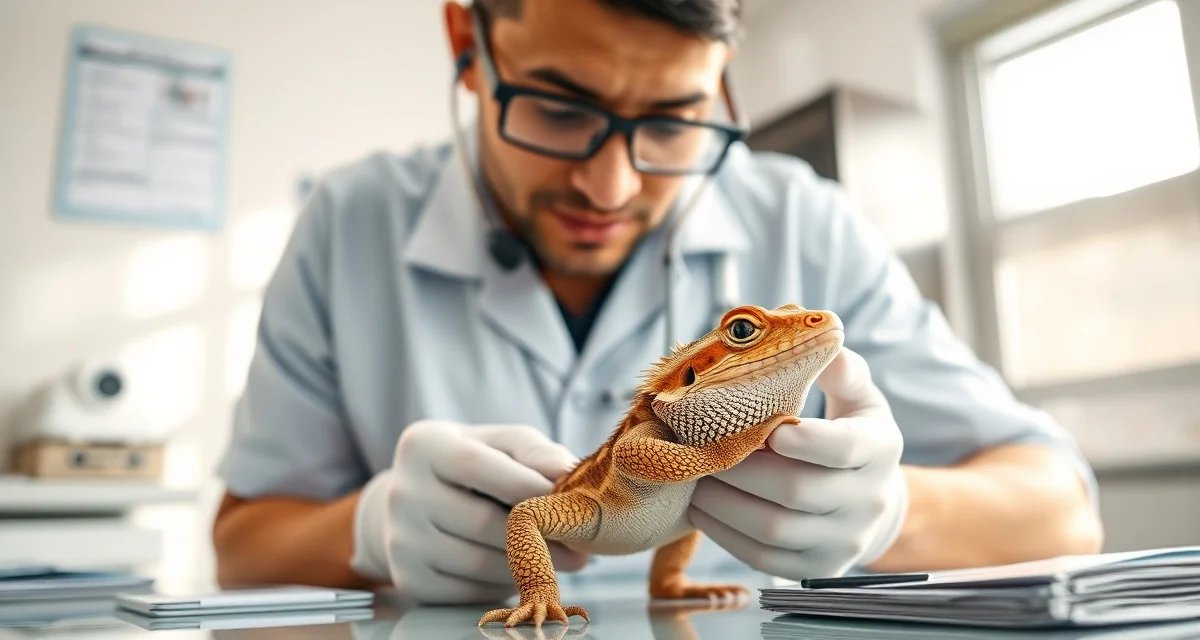
A health event is anything outside normal husbandry that affects or potentially affects an animal's health: a veterinary visit, a medication course, an observed symptom, an injury, a parasite treatment, or a prolonged feeding refusal that prompted investigation. Health event logging creates the medical history that informs future care decisions and provides context for any animal's current status.
What Constitutes a Health Event
Health events exist on a spectrum from minor to serious:
Minor events worth documenting:
- Incomplete shed requiring a warm soak to assist
- Single episode of regurgitation (document: date, prey item, any identified cause)
- Minor superficial injury (cut, abrasion)
- Mite presence detected and treated
- Prolonged feeding refusal investigated
Significant events requiring full documentation:
- Respiratory symptoms (open-mouth breathing, wheezing, mucus)
- Veterinary examination
- Diagnosed illness
- Medication treatment (drug, dose, route, duration)
- Dysecdysis requiring repeated intervention
- Confirmed parasite infestation with treatment protocol
- Weight loss requiring investigation
- Dystocia (egg binding)
- Death (documented for collection records)
The Anatomy of a Health Event Record
A complete health event record includes:
Date: When the event was first observed or when the vet visit occurred. Not approximate.
Animal ID: Which specific animal. Linked to its full record.
Description: What was observed. Be specific. "Appeared lethargic" is vague. "Found positioned unusually on cool side of enclosure at 2pm rather than normal warm side position; did not respond normally to enclosure opening; mild open-mouth breathing observed" is specific.
Diagnosis (if obtained): What a veterinarian or experienced keeper determined the condition to be.
Treatment: What was done. For medications: drug name, dose, route (oral, injectable, topical), frequency, duration, and administering party (self or veterinarian).
Outcome: How the animal responded. Fully resolved, partially resolved, ongoing at last check, or died.
Follow-up dates: Any subsequent vet visits or reassessments linked to this event.
Connecting Health Events to Context
Health events rarely occur in isolation. A respiratory infection in February may be connected to an ambient temperature drop in December. A regurgitation in May may connect to a prey size change in April. Health event logs gain diagnostic value when cross-referenced with environmental records and feeding logs.
When you log a health event, note any relevant contextual factors:
- Recent environmental changes
- Recent handling stress
- Recent prey type or size change
- Any concurrent events in other animals in the same enclosure or rack
Health Events and Veterinary Documentation
Maintain copies of all veterinary records alongside your own health event logs. Vet records include:
- Examination findings
- Test results (fecal parasite tests, bloodwork, cultures)
- Diagnosis
- Prescribed treatments
When health events recur in the same animal, having the full history, including previous vet findings and treatments, helps the veterinarian make better decisions and avoids repeating ineffective treatments.
Health Events in Breeding Context
Health events in breeding animals have direct breeding implications. A female treated for a respiratory infection in October may not be an appropriate breeding candidate that season depending on the severity and resolution of the infection. A male with a documented history of chronic health issues is a risk to introduce to breeding females.
HatchLedger's health event log is part of each animal's full profile, visible alongside breeding history, weight history, and feeding records. The complete context is always available.
Related content: Animal Health Records | Quarantine Tracking | Female Health Tracking
Related Articles
FAQ
What is Health Event Logging: Documenting Animal Health in Reptile Collections?
Health event logging is the practice of creating a documented medical history for each animal in your reptile collection. It involves recording anything outside normal husbandry that affects an animal's health — veterinary visits, medication courses, observed symptoms, injuries, parasite treatments, or prolonged feeding refusals. On HatchLedger, these records are linked to individual animals, giving breeders a complete, searchable health timeline that informs care decisions and provides critical context for any animal's current condition.
How much does Health Event Logging: Documenting Animal Health in Reptile Collections cost?
HatchLedger offers health event logging as part of its reptile collection management platform. Pricing depends on the plan you choose, with options ranging from a free tier for small collections to paid plans for larger breeding operations. Since health logging is core to responsible animal management, it's included across all tiers. Visit HatchLedger's pricing page for current plan details and to find the option that fits your collection size and workflow.
How does Health Event Logging: Documenting Animal Health in Reptile Collections work?
When a health event occurs, you create a record linked to the specific animal. The record captures the date, event type, a description of what was observed or treated, any medications administered (drug, dose, route, duration), veterinary involvement, and outcome or follow-up notes. HatchLedger organizes these entries into a chronological health timeline per animal, so you can quickly review an animal's full history, identify patterns, and share accurate records with a veterinarian when needed.
What are the benefits of Health Event Logging: Documenting Animal Health in Reptile Collections?
Systematic health event logging gives you a reliable medical history for every animal, which improves diagnosis accuracy, reduces duplicate treatments, and helps identify recurring issues early. It protects your collection by surfacing patterns — like repeated respiratory episodes — before they become serious. It also adds credibility when selling animals, as buyers can see documented care history. For breeders working with vets, accurate records lead to faster, better-informed consultations and more effective treatment outcomes.
Who needs Health Event Logging: Documenting Animal Health in Reptile Collections?
Any reptile keeper who manages more than a handful of animals benefits from health event logging, but it's especially valuable for serious breeders and collectors. If you house multiple species, breed animals seasonally, or sell offspring, documented health histories protect both your animals and your reputation. Hobbyists with just a few animals also benefit — even a single incident of dystocia or a parasite infestation is easier to manage when you have a clear record of what happened and how it was treated.
How long does Health Event Logging: Documenting Animal Health in Reptile Collections take?
Logging a health event in HatchLedger takes two to five minutes for most entries. Minor events like an assisted shed or a single regurgitation require a brief description and a few data fields. More significant events — a full veterinary visit or a multi-week medication course — may take five to ten minutes to document thoroughly. The time investment is small relative to the value of having an accurate, searchable record available instantly whenever you need it.
What should I look for when choosing Health Event Logging: Documenting Animal Health in Reptile Collections?
Look for a system that links health records directly to individual animals rather than storing them in a separate spreadsheet. You want structured fields for medications (drug, dose, route, duration), the ability to flag severity levels, and easy access to an animal's full history at a glance. Integration with other husbandry data — feeding logs, weight tracking, shedding records — is a significant advantage, as it gives health events full context. HatchLedger is built specifically for reptile breeders with all of these features included.
Is Health Event Logging: Documenting Animal Health in Reptile Collections worth it?
Yes. Reptiles are adept at masking illness, and symptoms often appear late. A health log forces you to document early warning signs you might otherwise dismiss, creating a record that can be decisive during a veterinary consultation. For breeders, documented health histories add tangible value to animals at sale and protect you from post-sale disputes. The discipline of logging also sharpens your observational skills over time, making you a more attentive keeper and reducing losses across your collection.
Sources
- Association of Reptilian and Amphibian Veterinarians (ARAV)
- USARK reptile keeper health resources
- Reptiles Magazine health and veterinary guides