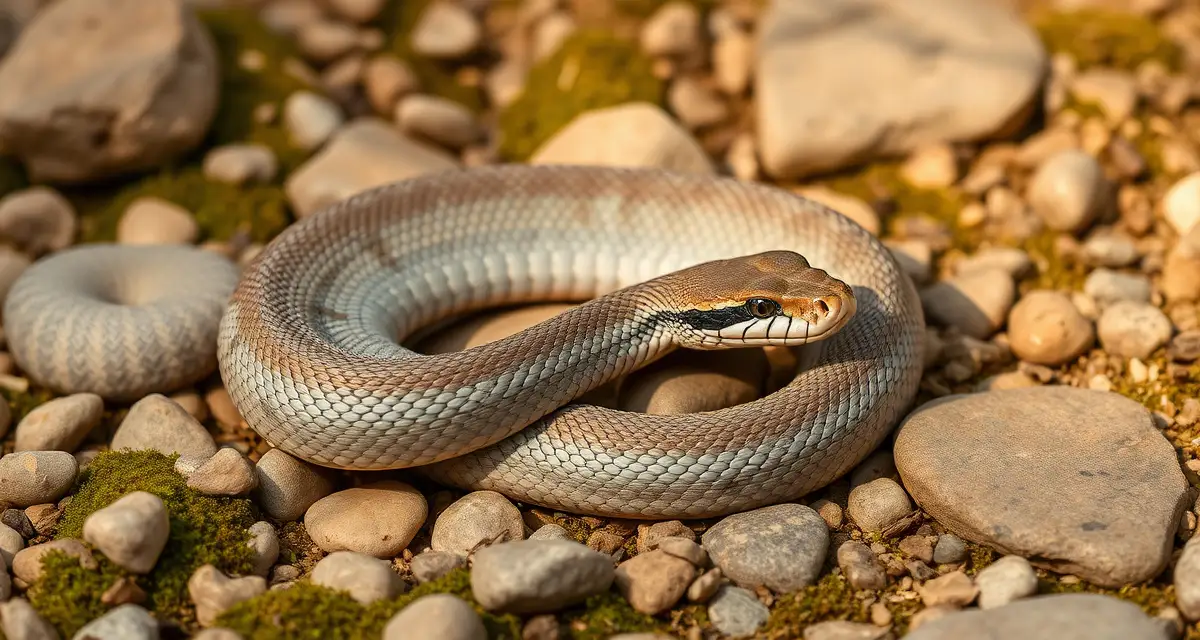
Hognose Snake Breeding Season Timing: Complete Breeder Guide
By HatchLedger Editorial Team · Published 2025-07-08 · Updated Mar 13, 2026
Hognose snake breeding season timing follows a seasonal cycling protocol like other North American colubrids, but with some nuances specific to the genus Heterodon. Western hognose snakes (H. nasicus) are the most commonly bred species and are highly responsive to winter cooling. Eastern hognose snakes (H. platirhinos) are less commonly bred but follow similar seasonal cues. Getting the timing right produces cooperative, productive breeders. Breeders using integrated software report 30% less time on administrative tasks, freeing time for the planning that sets up a successful season.
TL;DR
- Western hognose snakes (Heterodon nasicus) require 60-90 days of seasonal cycling at 50-60 degrees Fahrenheit for reliable breeding success.
- Females that skip cooling often fail to ovulate or produce infertile clutches, making brumation near-mandatory rather than optional.
- Clutch sizes average 8-18 eggs, with adult females commonly producing two clutches per season when managed well.
- Incubation runs 55-65 days at 82-84 degrees Fahrenheit with moderate humidity around 80-85%.
- Western hognose morphs include albino, axanthic, toffee, coral, and several combination lines with active development continuing.
The Seasonal Biology of Western Hognose Snakes
Western hognose snakes are native to the Great Plains and southwestern United States, where winters are genuinely cold. In the wild, they brumate underground for extended periods. In captivity, a proper cooling protocol that mimics this brumation is the key to reliable breeding success.
Unlike some species where cycling is helpful but optional, western hognose females that haven't been cooled often fail to ovulate or produce infertile clutches. Cooling is a near-essential requirement for consistent reproductive success.
The Cooling Period
When to Start
Begin cooling in November or December. Animals should be well-fed and at healthy body weight entering cooling. Stop feeding 2 weeks before temperatures drop to ensure no undigested prey remains.
Log cooling start date for every animal. In HatchLedger's reptile breeder hub, connect these dates to individual animal records so you can review your cooling protocol alongside each season's breeding outcomes.
Temperature and Duration
Reduce temperatures gradually over 2 to 3 weeks to 50-60°F. Western hognose snakes can tolerate cooler temperatures than many colubrids; 55°F is a common target, with some breeders going as low as 50°F for brief periods.
Maintain this temperature range for 60 to 90 days. Longer cooling periods of 90+ days often produce better breeding results in western hognose snakes than shorter periods.
Provide water throughout but stop routine feeding during the cooling period.
Warm-Up and Breeding Season
In late January or February, gradually raise temperatures back to normal over 2 to 3 weeks. Resume feeding promptly. Most western hognose snakes eat eagerly after the cooling period, sometimes within days of temperatures returning to normal.
Allow females to eat several meals before introduction. Body condition at breeding matters for clutch quality.
Male Introduction
Introduce the male to the female's enclosure or neutral territory during evening hours. Western hognose snakes are generally cooperative breeders. Courtship involves the male actively pursuing the female with chin-rubbing and tail positioning.
Multiple introductions over 2 to 4 weeks improve fertilization rates. Log every session with date and behavioral observations. Reptile breeder software comparison resources consistently highlight that linking pairing records to clutch outcomes is essential for genetic documentation in morph breeding programs.
Frequently Asked Questions
What is the best approach to hognose snake breeding season timing?
Cool western hognose snakes for 60 to 90 days, targeting 55°F for much of the period. Ensure animals are healthy and have no undigested meals before cooling. Warm gradually from late January through February, resume feeding, and introduce males once females have eaten several meals. Multiple introductions over 2 to 4 weeks produce better fertility rates. Log all cooling parameters and pairing records consistently to build the historical data that improves results year over year.
How do professional breeders handle hognose snake breeding season timing?
Professional western hognose breeders treat cooling as a near-mandatory protocol rather than an optional enhancement. They cool for the full 60 to 90 days, verify cooling space temperatures, assess female condition before introductions, and run multiple pairing sessions. They document every step and review their seasonal records alongside clutch outcomes to refine their protocol. Many cool for 90+ days after finding that longer periods produce better fertility rates in their specific animals.
What software helps manage hognose snake breeding season timing?
HatchLedger logs cooling start and end dates, temperature records, post-cooling feeding resumption, and all pairing sessions for each hognose breeding animal. These records connect to clutch outcomes when females lay, allowing you to compare your seasonal protocol to breeding results across multiple seasons. Free for up to 20 animals.
Can western hognose snakes double-clutch?
Yes, double-clutching is common and reliable in well-conditioned western hognose females. The first clutch is typically laid in April or May, and if the female feeds aggressively through June, a second clutch often follows in July or August. Tracking body condition through the season tells you whether a female is ready for a second clutch.
Why do some hognose females play dead during introductions?
Death-feigning (thanatosis) is a well-known hognose defensive behavior and can occur during breeding introductions. Most females habituate to handling over time and reduce this response. Experienced males are generally persistent through the female's initial responses. Keeping introduction sessions calm and minimally disturbing helps.
What is Hognose Snake Breeding Season Timing: Complete Breeder Guide?
This guide covers the complete seasonal breeding protocol for western hognose snakes (Heterodon nasicus), including brumation timing, temperature cycling, pairing windows, egg incubation parameters, and clutch management. It addresses species-specific nuances that distinguish hognose breeding from other North American colubrids, helping breeders understand exactly when and how to initiate each phase of the reproductive cycle for consistent, productive results season after season.
How much does Hognose Snake Breeding Season Timing: Complete Breeder Guide cost?
This is a free educational guide providing breeder-focused information on hognose snake seasonal cycling and reproduction. There is no cost to read the article. HatchLedger offers breeding management software separately for breeders who want to track pairings, clutches, and hatchling records, but accessing this guide and its breeding season timing information requires no purchase or subscription.
How does Hognose Snake Breeding Season Timing: Complete Breeder Guide work?
The guide walks breeders through initiating a 60-90 day brumation period at 50-60°F, then gradually warming animals back to normal temperatures to trigger breeding behavior. Males are introduced to females during the active pairing window. Successful ovulation leads to clutches averaging 8-18 eggs, which are incubated at 82-84°F with 80-85% humidity for 55-65 days until hatching.
What are the benefits of Hognose Snake Breeding Season Timing: Complete Breeder Guide?
Following this protocol reliably triggers ovulation in females, reduces infertile clutches, and enables experienced females to produce two clutches per season. Proper brumation timing aligns snakes' reproductive cycles with natural seasonal cues, producing more cooperative breeders and better fertility rates. Breeders who combine this knowledge with organized record-keeping report significant time savings and improved outcomes across their entire hognose collection.
Who needs Hognose Snake Breeding Season Timing: Complete Breeder Guide?
This guide is intended for hobbyist and professional hognose snake breeders at all experience levels, from first-time breeders attempting their initial pairing to established breeders expanding into morphs like albino, axanthic, toffee, and coral lines. It is especially valuable for anyone who has struggled with females failing to ovulate or producing infertile clutches, as brumation is the most commonly overlooked variable.
How long does Hognose Snake Breeding Season Timing: Complete Breeder Guide take?
The full seasonal cycle runs approximately five to six months. Brumation alone takes 60-90 days, followed by a gradual warm-up period of two to three weeks before pairing begins. After successful ovulation, egg deposition occurs within four to six weeks. Incubation then runs 55-65 days at proper temperature and humidity. Breeders managing two clutches per female should plan their calendar from October through late summer of the following year.
Related Articles
- Burmese Python Breeding Season Timing: Complete Breeder Guide
- Carpet Python Breeding Season Timing: Complete Breeder Guide
Sources
- USARK (United States Association of Reptile Keepers)
- Association of Reptilian and Amphibian Veterinarians (ARAV)
- Society for the Study of Amphibians and Reptiles (SSAR)
- Herpetological Review
- Great Plains Wildlife Management
Get Started with HatchLedger
Western hognose breeding with multiple morphs and double-clutching females benefits from connected records that link cooling dates, pairing introductions, and per-clutch outcomes. HatchLedger tracks all of it and lets you compare seasonal protocols against results over multiple years. Free for up to 20 animals.