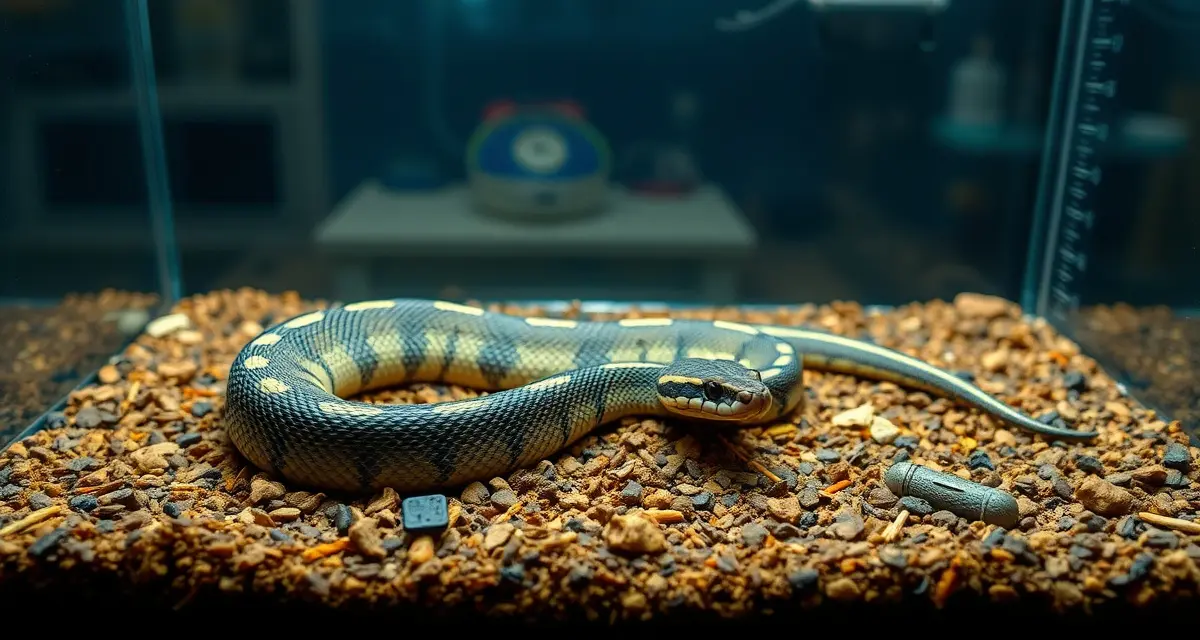
Kingsnake Seasonal Cycling: Complete Breeder Guide
By HatchLedger Editorial Team · Published 2025-05-19 · Updated Mar 13, 2026
Kingsnake seasonal cycling follows the same fundamental protocol as other North American colubrid species: a winter seasonal cycling protocol period followed by gradual warming triggers spring breeding behavior. Get it right and you'll have cooperative, productive breeders. Skip it or do it poorly and you'll face inconsistent breeding activity and reduced clutch quality. Breeders using integrated software report 30% less time on administrative tasks, freeing time for the protocol management that seasonal cycling requires.
TL;DR
- Kingsnakes and milksnakes span the genus Lampropeltis, with numerous species and subspecies each having distinct cycling requirements.
- Most kingsnake species require 90-120 days of brumation at 45-55 degrees Fahrenheit for consistent breeding.
- Clutch size datas average 8-20 eggs depending on species, with California kingsnakes commonly producing 6-12 eggs.
- Incubation runs 55-75 days at 78-82 degrees Fahrenheit, similar to corn snakes.
- Kingsnake morph genetics overview include albino, anerythristic, and hypo lines plus combination morphs with active development in California kingsnakes, gray-banded kingsnakes, and Mexican black kingsnakes.
Why Cooling Is Non-Optional for Kingsnakes
Kingsnakes are native to North America and evolved with genuine winter seasons. Their reproductive biology depends on winter temperature cues. Without appropriate cooling:
- Females may not develop optimal follicle counts
- Males may show reduced breeding drive
- Breeding activity may occur but produce smaller or less fertile clutches
- Some animals will breed normally one season and then stop responding without regular cycling
One skipped season often doesn't cause immediate catastrophic failure, but consistent cooling produces consistent results. Two or three seasons without cycling starts to affect reproductive health noticeably in most animals.
The Cooling Protocol
Pre-Cooling Steps
Health check: Don't cool animals that are sick, underweight, or recovering from illness. Cooling depresses immune function; a compromised animal may not survive or recover well from an extended cool period.
Stop feeding: The last meal before cooling should be offered 2 weeks before temperatures begin dropping. No undigested prey should remain in the GI tract when temperatures drop below digestion range.
Verify cooling space: Test your cooling area's temperature before moving animals. Confirm it maintains 55-65°F reliably, not just when checked.
Temperature and Duration
Cool for 60 to 90 days at 55-65°F. Drop temperatures gradually over 2 to 3 weeks rather than abruptly. Allow animals to acclimate to each temperature reduction before the next.
Maintain this range consistently. Brief warm spikes during the cooling period, from a door being left open or a heating system malfunction, can disrupt the cycling effect. Log your actual measured temperatures periodically during the cooling period in HatchLedger's reptile breeder hub.
Photoperiod
Reduce light cycle to 8 to 10 hours of light during the cooling period. Return to 12+ hours when warming begins.
Warming and Breeding Preparation
Begin warming in late January or February by increasing temperatures gradually over 2 to 3 weeks back to normal range (78-82°F). Resume offering food; kingsnakes typically eat eagerly after cooling ends.
Allow females to eat 2 to 4 meals before introducing males. Body condition at the time of breeding directly affects clutch size and egg quality. Don't rush introductions before the female has had a chance to recover condition post-cooling.
Males should also be warmed and fed before introductions. A well-fed, warmed male is a more active and effective breeder than one that's still in the physiological transition from cooling.
Documenting Your Cycling Protocol
Log cooling start and end dates, temperature measurements during the period, and the date each animal was moved to cooling and back. This data, connected to your breeding season outcomes in reptile breeder software comparison-recommended software, tells you whether your protocol is producing the results you expect.
If a season produces fewer or smaller clutches than expected, your cycling records are the first place to look. Did the cooling period meet the full duration? Were temperatures in the correct range? Did any animals experience disruptions?
Frequently Asked Questions
What is the best approach to kingsnake seasonal cycling?
Cool for 60 to 90 days at 55-65°F starting in November or December. Ensure animals are healthy and have no undigested meals before cooling begins. Reduce temperatures gradually, stop routine feeding during the cooling period, provide water, and warm gradually from late January through February. Allow females to eat several meals before introducing males. Log cooling dates and temperatures, and compare your cycling records to breeding outcomes each season to refine your protocol over time.
How do professional breeders handle kingsnake seasonal cycling?
Professional kingsnake breeders treat cooling as a documented, measurable protocol. They log start and end dates, verify temperatures in their cooling space, and conduct health assessments before moving animals. They warm animals gradually and ensure adequate post-cooling feeding before introductions. They compare cycling protocols to clutch outcomes seasonally to identify whether adjustments produced better results. Many use dedicated breeding software to maintain these records in a format that supports multi-season analysis.
What software helps manage kingsnake seasonal cycling?
HatchLedger manages multi-species collections with distinct cooling protocols, morph genetics, and clutch records in one system. For kingsnake breeders working across subspecies or multiple species, keeping each animal's protocol and lineage clearly organized prevents the documentation errors that affect buyer trust. Free for up to 20 animals.
Do all kingsnake species need the same cooling duration?
No. California kingsnakes from warmer coastal localities may respond to 90 days of cooling at 50-55 degrees Fahrenheit, while gray-banded kingsnakes from higher elevation Texas habitats may benefit from 120 days at lower temperatures. Eastern kingsnakes from northern localities often need the most aggressive cooling. Research the specific ecology of your animals' locale or subspecies.
Can different kingsnake species be housed together?
Kingsnakes are ophiophagous (snake-eating) and should never be cohabited, including with animals of the same species. Even animals cohabited without incident for extended periods can result in cannibalism. This applies to breeding introductions as well: supervise all introductions and separate animals immediately after copulation.
What is Kingsnake Seasonal Cycling: Complete Breeder Guide?
Kingsnake Seasonal Cycling: Complete Breeder Guide is a comprehensive resource on HatchLedger covering the full brumation and breeding protocol for Lampropeltis species. It explains how to replicate natural winter conditions to trigger reliable reproductive behavior in kingsnakes and milksnakes. The guide covers cooling temperatures, duration, rewarming schedules, clutch expectations, incubation parameters, and morph genetics across popular species including California kingsnakes, gray-banded kingsnakes, and Mexican black kingsnakes.
How much does Kingsnake Seasonal Cycling: Complete Breeder Guide cost?
The guide is free editorial content published on HatchLedger. There is no purchase required to read or apply the protocols described. HatchLedger also offers breeding management software that can help track cycling schedules and clutch records, which has separate pricing, but the article itself and the husbandry information it contains are freely accessible to all reptile keepers.
How does Kingsnake Seasonal Cycling: Complete Breeder Guide work?
The guide works by walking breeders through each phase of the seasonal cycle: pre-cooling fasting, a 90-120 day brumation period at 45-55°F, gradual rewarming in spring, introduction of breeding pairs, egg collection, and incubation at 78-82°F for 55-75 days. Each step builds on the last, mirroring the natural cues kingsnakes evolved with so that reproductive hormones activate on a reliable annual schedule.
What are the benefits of Kingsnake Seasonal Cycling: Complete Breeder Guide?
Following a structured seasonal cycling protocol produces more consistent breeding pairings, higher fertility rates, and better clutch quality. Breeders report fewer skipped seasons and more predictable egg production, with clutch sizes averaging 8-20 eggs depending on species. Proper brumation also supports the long-term health of breeding animals by aligning their physiology with natural cycles, reducing stress and improving overall condition heading into the breeding season.
Who needs Kingsnake Seasonal Cycling: Complete Breeder Guide?
This guide is intended for hobbyist and professional reptile breeders working with any Lampropeltis species, including California kingsnakes, gray-banded kingsnakes, Mexican black kingsnakes, and milksnakes. It is equally useful for first-time breeders setting up their initial cycling protocol and experienced keepers refining their approach or expanding into new species or morph projects that require species-specific cooling adjustments.
How long does Kingsnake Seasonal Cycling: Complete Breeder Guide take?
The full seasonal cycle runs approximately five to six months from start to finish. Brumation alone accounts for 90-120 days, preceded by a two-to-four week fasting period and followed by gradual rewarming over several weeks. Once breeding occurs, incubation adds another 55-75 days before eggs hatch. Breeders should plan their calendar in late summer or early fall to ensure cooling begins at the right time for spring breeding.
Related Articles
Sources
- USARK (United States Association of Reptile Keepers)
- Association of Reptilian and Amphibian Veterinarians (ARAV)
- California Academy of Sciences Herpetology Collection
- Herpetologica (Herpetologists League)
- Reptiles Magazine (Bowtie Inc.)
Get Started with HatchLedger
Managing multiple kingsnake species and subspecies with distinct cooling requirements and active morph programs benefits from a system that keeps each animal's protocol, lineage, and clutch history clearly organized. HatchLedger connects all of that data across your collection. Free for up to 20 animals.