Milk Snake Hatchling Care Guide: Complete Breeder Guide
By HatchLedger Editorial Team · Published 2025-06-06 · Updated Mar 13, 2026
Milk snake hatchling care is moderately demanding in terms of record-keeping and housing, but less challenging than GTP hatchlings or many other specialty species. Most milk snake hatchlings are reliable feeders once established, and with appropriate individual housing and consistent records, the early weeks proceed smoothly. The challenge at scale is managing individual records for potentially large hatchling cohorts. Breeders using integrated software report 30% less time on administrative tasks, and that matters when you're logging feeding events for 40 or 50 individual animals multiple times per week.
TL;DR
- Milk snakes span dozens of recognized subspecies of Lampropeltis triangulum and related species, each with distinct care and breeding requirements.
- Most milk snake subspecies require 60-90 days of seasonal cycling at 50-55 degrees Fahrenheit for reliable breeding.
- Clutch sizes range from 4-18 eggs depending on subspecies, with Honduran milk snakes averaging toward the larger end.
- Incubation runs 55-70 days at 78-82 degrees Fahrenheit with moderate humidity.
- Honduran milk snakes have an active morph program with albino, hypo, and tri-color tangerine lines among the established variants.
Immediate Post-Hatch Handling
Milk snake hatchlings are active immediately after emerging. Have individual housing ready before clutches hatch. Move each hatchling to its own enclosure within hours of emergence.
Log at hatch:
- Unique ID linked to clutch
- Hatch date and weight
- Visual morph assessment (many milk snake subspecies have distinctive banding that makes morph identification relatively clear at hatch)
- Any visible abnormalities
Wait for the first shed (typically 7 to 14 days post-hatch) before the first feeding attempt.
Housing Setup
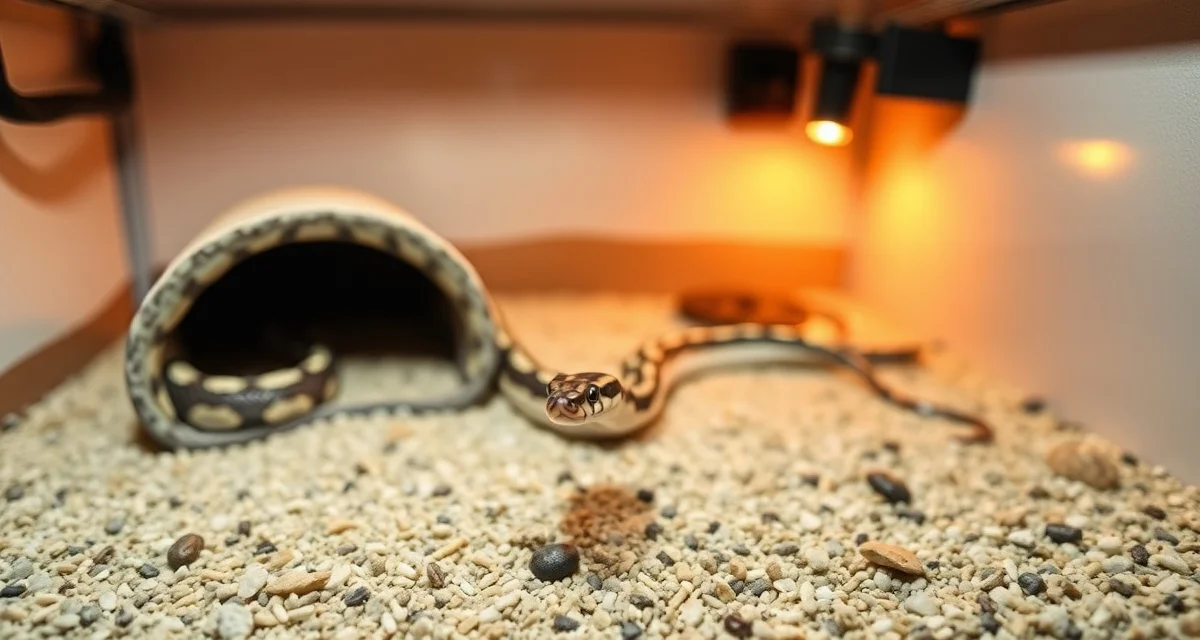
Small deli cups or 6-quart tubs work well for milk snake hatchlings. They're relatively slender snakes that don't need large spaces at this stage. Paper towel substrate, a small hide, and a water bowl are the essentials.
Temperature: 78-82°F ambient with a warm side of 85-88°F from a heat pad or heat tape on a thermostat. Milk snakes are terrestrial and use belly heat effectively.
Don't cohabitate milk snake hatchlings. While they're less aggressive than kingsnakes, feeding competition and stress make individual housing the better choice for both record accuracy and animal welfare.
Feeding Protocol
After the first shed, offer appropriately sized frozen-thawed pinkies warmed to 98-105°F via feeding tongs or leave-in method. Most milk snake hatchlings are reliable feeders.
For refusers:
- Try freshly killed prey
- Scent prey with lizard or frog
- Use a paper bag or small opaque container for the feeding attempt
- Offer during evening hours when hatchlings are most active
Log every attempt with date, prey type, method, and outcome in HatchLedger's reptile breeder hub. A pattern across 3 to 4 refusals of the same technique is the signal to escalate to the next method.
Establish feeders (3 to 5 consecutive meals) before listing animals for sale. Document feeding history for every hatchling; it's the most common question buyers ask and the most important documentation for sale credibility.
Growth and Shedding
Milk snake hatchlings grow steadily with consistent feeding. Feed every 5 to 7 days. Increase prey size as the animal grows. Log shed dates and assess completeness; retained shed indicates humidity issues or health concerns.
Reptile breeder software comparison resources consistently identify that breeders managing 30+ hatchlings need a digital system to maintain the individual records quality that buyers expect and that breeding program analysis requires.
Frequently Asked Questions
What is the best approach to milk snake hatchling care guide?
House hatchlings individually from day one. Assign IDs at hatch and begin individual records immediately. Wait for the first shed before feeding attempts. Log every feeding attempt and outcome. Weigh weekly for the first 90 days. Establish feeding before listing animals for sale. Milk snake hatchlings are generally cooperative feeders, but your records need to reflect exactly what each animal has eaten and when to support accurate sale documentation.
How do professional breeders handle milk snake hatchling care guide?
Professional milk snake breeders have individual housing ready before clutches hatch, create records at emergence, and follow consistent feeding schedules from the first shed onward. They log every feeding event and weight measurement and confirm morph documentation before listing. Their documentation standards produce buyers who trust the information and return for future purchases. Problem feeders get escalation protocol attention early rather than being allowed to lose excessive weight before intervention.
What software helps manage milk snake hatchling care guide?
HatchLedger is purpose-built for reptile breeders, connecting animal records, breeding history, clutch outcomes, and financial tracking in one system. Unlike generic spreadsheets, it's designed around the specific workflow of an active breeding season. Free for up to 20 animals.
What is the most commonly bred milk snake subspecies?
Honduran milk snakes (L. t. hondurensis) are the most widely bred milk snake subspecies due to their larger size, active morph development, and established keeper base. Nelson's milk snakes and Sinaloan milk snakes are also commonly bred. Scarlet kingsnakes have a smaller but dedicated keeper community.
How do you tell apart milk snake subspecies?
Subspecies identification relies on coloration pattern (band count and width), scale counts, and geographic origin. For captive-bred animals, documentation from the original breeder is the most reliable source. Hybridization between subspecies does occur and reduces the value and documentation reliability of offspring.
What is Milk Snake Hatchling Care Guide: Complete Breeder Guide?
A Milk Snake Hatchling Care Guide is a comprehensive resource covering everything reptile breeders need to raise milk snake hatchlings successfully. It addresses housing requirements, feeding protocols, record-keeping systems, incubation parameters, and subspecies-specific considerations across the many Lampropeltis triangulum variants. The guide is designed for breeders managing small to large hatchling cohorts, providing practical frameworks for tracking individual animals through the critical early weeks post-hatch when consistent care and documentation are essential for long-term breeding success.
How much does Milk Snake Hatchling Care Guide: Complete Breeder Guide cost?
This guide is freely available as an educational article on HatchLedger. There is no purchase required to access the care information. HatchLedger does offer integrated breeding management software that breeders can adopt to streamline the record-keeping workflows described in the guide, with subscription options available separately. The core husbandry knowledge—covering incubation, feeding schedules, housing, and cycling—is provided at no cost as a resource for the reptile breeding community.
How does Milk Snake Hatchling Care Guide: Complete Breeder Guide work?
The guide walks breeders through each phase of milk snake hatchling care in sequence. It covers post-hatch handling, individual housing setup, environmental parameters, cycling requirements for breeding adults, incubation conditions of 78-82°F for 55-70 days, and first-feeding protocols. It also addresses subspecies differences, morph programs like Honduran albino and hypo lines, and how to use record-keeping tools to manage feeding logs and health notes across large hatchling cohorts efficiently.
What are the benefits of Milk Snake Hatchling Care Guide: Complete Breeder Guide?
Following a structured milk snake hatchling care guide reduces losses during the vulnerable early weeks, improves feeding success rates, and builds reliable breeding records over time. Breeders managing 40-50 hatchlings benefit especially from systematic logging. Consistent records support better breeding decisions, health monitoring, and customer documentation. Guides tailored to milk snakes also account for subspecies variation, helping breeders apply the right cycling, incubation, and feeding approach rather than relying on generic colubrid protocols that may not fit every line.
Who needs Milk Snake Hatchling Care Guide: Complete Breeder Guide?
This guide is most useful for beginner to intermediate reptile breeders working with milk snakes for the first time, as well as experienced breeders scaling up to larger hatchling cohorts. It is particularly relevant for those breeding Honduran milk snakes with established morph programs, breeders managing multiple subspecies simultaneously, and anyone transitioning from informal notes to structured digital record-keeping. Hobbyists raising a single clutch will also find the incubation and first-feeding sections directly applicable.
How long does Milk Snake Hatchling Care Guide: Complete Breeder Guide take?
The immediate post-hatch period requires close attention for approximately the first 4-8 weeks. Hatchlings typically complete their first shed within 7-10 days and are offered their first meal shortly after. Establishing a reliable feeding response generally takes 2-4 weeks. Full record-keeping routines, including feeding logs and weight tracking, should be maintained from day one. Seasonal cycling for breeding adults runs 60-90 days, and incubation spans 55-70 days, making the full annual breeding cycle a 6-8 month commitment per season.
Related Articles
- Boa Constrictor Hatchling Care Guide: Complete Breeder Guide
- Burmese Python Hatchling Care Guide: Complete Breeder Guide
Sources
- USARK (United States Association of Reptile Keepers)
- Association of Reptilian and Amphibian Veterinarians (ARAV)
- Herpetologica (Herpetologists League)
- Society for the Study of Amphibians and Reptiles (SSAR)
- Reptiles Magazine (Bowtie Inc.)
Get Started with HatchLedger
Milk snake breeders working across subspecies and morph lines benefit from records that track lineage clearly and connect cooling protocols to seasonal clutch outcomes. HatchLedger keeps this information organized and searchable across your entire collection. Free for up to 20 animals.