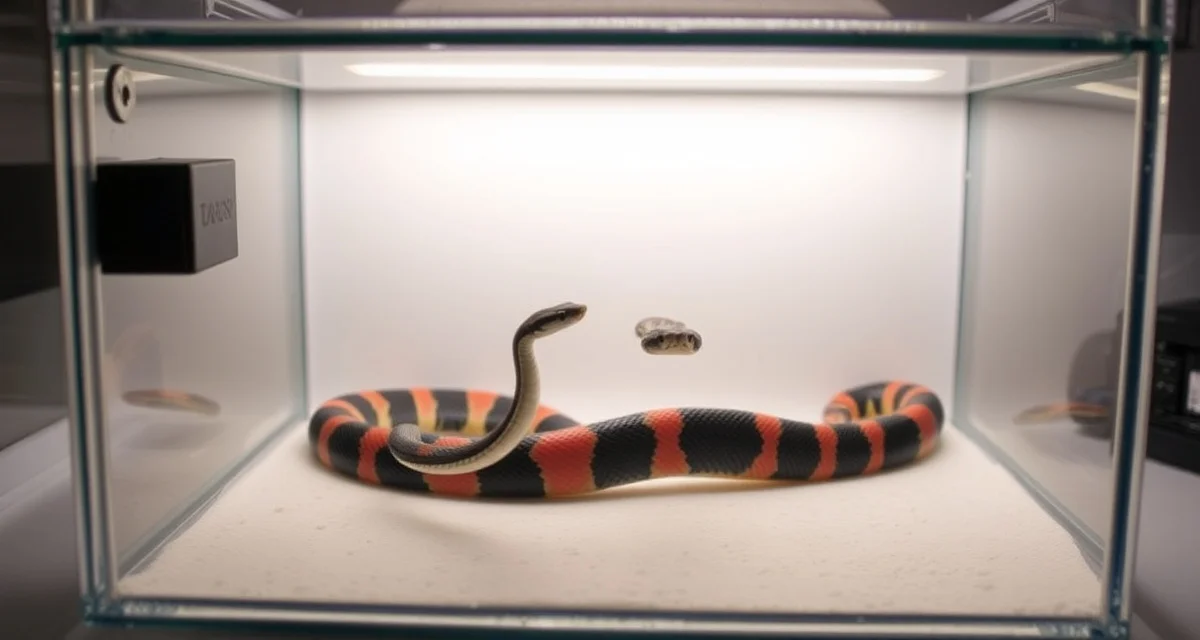
Milk Snake Pairing and Introduction: Complete Breeder Guide
By HatchLedger Editorial Team · Published 2025-04-11 · Updated Mar 13, 2026
Milk snake pairing and introduction is less fraught than kingsnake breeding because milk snakes are less aggressively predatory toward conspecifics, but they're not without risk. Female milk snakes can and do occasionally attack males during introductions, particularly if the timing is poor or the female is larger than the male. Supervised introductions with a safety-first approach, combined with documented pairing records for genetic accuracy, is the professional standard. Breeders using integrated software report 30% less time on administrative tasks, freeing time for the supervised introductions that good results require.
TL;DR
- Milk snakes span dozens of recognized subspecies of Lampropeltis triangulum and related species, each with distinct care and breeding requirements.
- Most milk snake subspecies require 60-90 days of seasonal cycling at 50-55 degrees Fahrenheit for reliable breeding.
- Clutch sizes range from 4-18 eggs depending on subspecies, with Honduran milk snakes averaging toward the larger end.
- Incubation runs 55-70 days at 78-82 degrees Fahrenheit with moderate humidity.
- Honduran milk snakes have an active morph program with albino, hypo, and tri-color tangerine lines among the established variants.
Pre-Introduction Requirements
Before any introduction:
Both animals completed cooling and have resumed eating. Don't introduce animals that are still in the physiological transition from cooling. Allow the female to eat 2 to 4 meals post-cooling before introduction.
Both are at appropriate breeding age and condition. Female milk snakes typically breed first at 18 to 36 months depending on subspecies. Males can breed from 18 to 24 months. Both should be at appropriate body weight.
Your genetics plan is confirmed. Know which male is going with which female and what offspring you're targeting. Record this before any introduction begins.
Introduction Technique
Place the male in the female's enclosure or a neutral container during the evening hours. Observe for the first 15 to 30 minutes. Milk snake courtship involves the male chin-rubbing along the female's dorsum, pursuing her actively, and positioning for intromission.
If the female attacks the male aggressively (repeated strikes with predatory intensity), separate immediately and try again in a week. Some females need multiple introduction attempts before they become receptive; others need to be in the exact right phase of their reproductive cycle.
Lock-ups in milk snakes can be brief or extended. Log any confirmed lock-up with date and duration.
Multiple Pairings Improve Fertility
As with all colubrids, multiple pairings over 2 to 4 weeks produce better fertility rates than a single session. After each pairing, separate animals and give both several days of rest before reintroduction. Don't cohabitate animals between sessions; feeding scents and constant proximity cause stress in both animals.
Log every introduction with female ID, male ID, date, behavioral observation, and outcome. These pairing records in HatchLedger's reptile breeder hub link directly to the resulting clutch size records, providing the genetic documentation chain from pairing to hatchling sale.
Post-Breeding Care
After the breeding season, return both animals to their normal individual housing and resume standard care. Watch the female for signs of follicle development: increased weight, posterior swelling, reduced feeding interest.
Reptile breeder software comparison resources consistently identify that linking pairing records to clutch outcomes is a core feature for serious breeding programs. HatchLedger's structure makes this connection automatic.
Frequently Asked Questions
What is the best approach to milk snake pairing and introduction?
Ensure both animals have completed cooling and the female has resumed eating before introduction. Introduce the male during evening hours and supervise the first 15 to 30 minutes. Separate if aggression is persistent. Conduct multiple introductions over 2 to 4 weeks for best fertility rates. Log every session with behavioral notes and confirmed lock-up data. Link pairing records to resulting clutch records for complete genetic documentation.
How do professional breeders handle milk snake pairing and introduction?
Professional milk snake breeders conduct documented introductions with clear records of each session's outcome. They don't assume a single introduction is sufficient; they plan for multiple sessions over the breeding window. They log behavioral observations during each introduction and have a clear plan for separating animals if aggression escalates. Their pairing records support genetic accuracy for hatchling documentation and give them data to identify which pairings work reliably and which need adjustment.
What software helps manage milk snake pairing and introduction?
HatchLedger is purpose-built for reptile breeders, connecting animal records, breeding history, clutch outcomes, and financial tracking in one system. Unlike generic spreadsheets, it's designed around the specific workflow of an active breeding season. Free for up to 20 animals.
What is the most commonly bred milk snake subspecies?
Honduran milk snakes (L. t. hondurensis) are the most widely bred milk snake subspecies due to their larger size, active morph development, and established keeper base. Nelson's milk snakes and Sinaloan milk snakes are also commonly bred. Scarlet kingsnakes have a smaller but dedicated keeper community.
How do you tell apart milk snake subspecies?
Subspecies identification relies on coloration pattern (band count and width), scale counts, and geographic origin. For captive-bred animals, documentation from the original breeder is the most reliable source. Hybridization between subspecies does occur and reduces the value and documentation reliability of offspring.
What is Milk Snake Pairing and Introduction: Complete Breeder Guide?
This guide covers the complete process of pairing and introducing milk snakes for successful breeding. It addresses subspecies-specific requirements, seasonal cycling protocols, supervised introduction techniques, and incubation parameters. Because milk snakes span dozens of Lampropeltis triangulum subspecies with distinct needs, the guide helps breeders navigate timing, safety precautions, genetic record-keeping, and morph documentation to maximize clutch success while minimizing risk to both animals.
How much does Milk Snake Pairing and Introduction: Complete Breeder Guide cost?
The guide itself is free educational content available on HatchLedger. There is no cost to read it. However, successfully breeding milk snakes involves investment in proper cooling equipment for brumation, incubation supplies, and optionally breeding management software. HatchLedger offers tools that breeders report save around 30% of administrative time, letting them focus on the hands-on supervision that safe introductions require.
How does Milk Snake Pairing and Introduction: Complete Breeder Guide work?
The guide walks breeders through pre-introduction requirements, seasonal cycling at 50-55°F for 60-90 days, and supervised pairing sessions. Males are introduced to the female's enclosure and monitored closely, since females can attack males if timing or size dynamics are unfavorable. Successful locks are documented for genetic accuracy. Eggs are then incubated at 78-82°F for 55-70 days at moderate humidity until hatching.
What are the benefits of Milk Snake Pairing and Introduction: Complete Breeder Guide?
Following a structured pairing protocol improves clutch rates, reduces animal injury risk, and ensures accurate genetic records across subspecies and morphs. Documented introductions help breeders track which pairings produced which offspring, critical when working with Honduran albino, hypo, or tangerine lines. A systematic approach also reduces the administrative burden of managing multiple pairings simultaneously, giving breeders more time for direct animal supervision.
Who needs Milk Snake Pairing and Introduction: Complete Breeder Guide?
This guide is written for intermediate to experienced reptile breeders working with milk snakes, particularly those managing multiple subspecies or morph projects. It is also useful for hobbyist breeders ready to attempt their first structured breeding season. Anyone keeping Honduran, Sinaloan, or other milk snake subspecies who wants reliable, documented breeding outcomes will benefit from the protocols and record-keeping practices described.
How long does Milk Snake Pairing and Introduction: Complete Breeder Guide take?
The full breeding cycle takes approximately 4-6 months from the start of brumation to hatching. Seasonal cooling runs 60-90 days, followed by a warm-up period and introduction attempts over several weeks. Eggs incubate for 55-70 days at 78-82°F. Individual pairing sessions are brief and supervised, but multiple introductions spaced days apart are often needed to confirm a successful lock and maximize fertilization chances.
Related Articles
Sources
- USARK (United States Association of Reptile Keepers)
- Association of Reptilian and Amphibian Veterinarians (ARAV)
- Herpetologica (Herpetologists League)
- Society for the Study of Amphibians and Reptiles (SSAR)
- Reptiles Magazine (Bowtie Inc.)
Get Started with HatchLedger
Milk snake breeders working across subspecies and morph lines benefit from records that track lineage clearly and connect cooling protocols to seasonal clutch outcomes. HatchLedger keeps this information organized and searchable across your entire collection. Free for up to 20 animals.