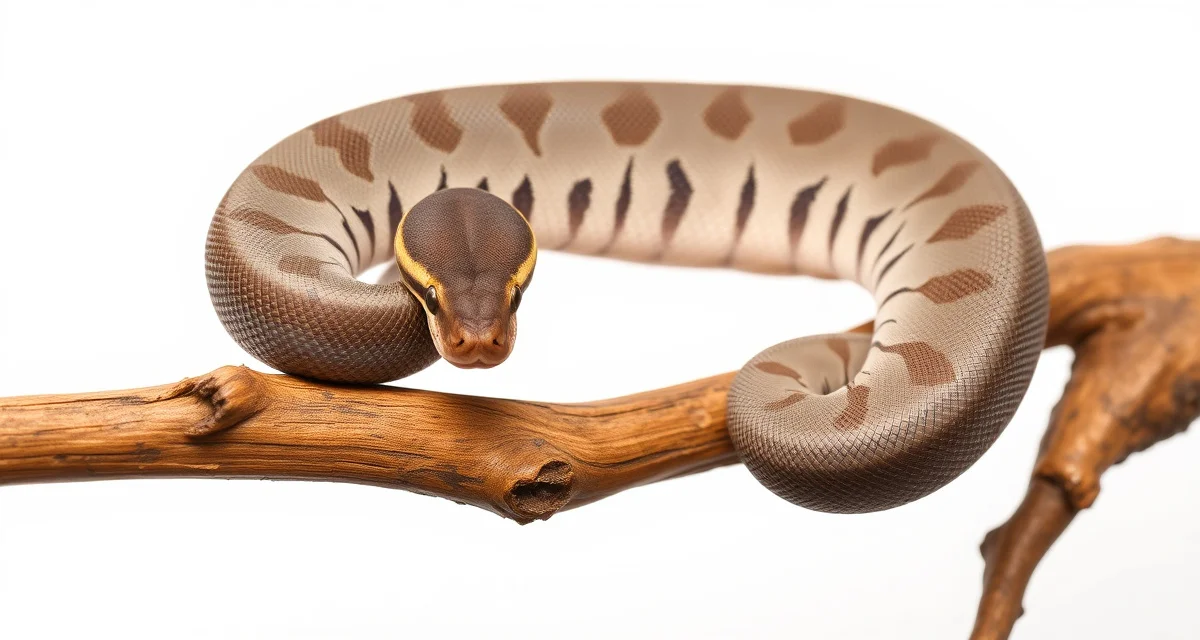
Asphalt Ball Python: Genetics, Breeding Outcomes and Pricing
By HatchLedger Editorial Team · Published 2025-05-10 · Updated Mar 13, 2026
Asphalt is a co-dominant morph that doesn't make headlines as often as Pastel or Spider, but it's a solid building block in combo projects. Single-gene Asphalts show a distinctive gray-brown pattern shift, darker and more muted than normals, with a unique overall tone. The super form, sometimes called Super Asphalt, takes that coloration to an extreme. Where Asphalt really shines is in combos, particularly when stacked with Pastel to produce Pewter-adjacent combinations.
TL;DR
- The Asphalt morph is a documented genetic variant in ball pythons with established inheritance pattern and pricing history.
- Co-dominant morphs express visually in single copy and produce a distinct super form in double copy (with exceptions like Spider where the super is non-viable).
- Recessive morphs require two copies to be visually expressed; single-copy carriers (hets) look identical to normal ball pythons.
- Documented het claims backed by parentage records are worth significantly more at resale than unverified possible-het claims.
- Market prices for any given morph are heavily influenced by production volume, demand trends, and whether the morph stacks well with high-value genes.
Asphalt Genetics
Asphalt is co-dominant. One copy = single-gene Asphalt. Two copies = Super Asphalt. The allelic relationship and super form behavior is standard co-dominant inheritance.
Single-Gene Asphalt Appearance
Asphalts show a darker, grayer base coloration compared to normals. The alien-head pattern is present but often with slightly reduced contrast, giving the animals an overall darker, muted appearance. Some specimens show a nice brownish-gray that photographs well. Single-gene Asphalt retail: $75-$150.
Super Asphalt
Super Asphalts are darker and more extreme in their coloration shift. They're unusual-looking animals that appeal to buyers who want something different from the bright-yellow end of the market. Retail $200-$400.
Asphalt Combos
- Asphalt Pastel (sometimes called Pewter-adjacent or marketed by trade names): vivid contrast between the darker Asphalt tones and the brightening effect of Pastel; retail $200-$350
- Asphalt Enchi: darker enchi tones with the Asphalt gray-brown overlay; retail $250-$450
- Asphalt Clown: dramatic-looking combo with the dark Asphalt base on a clown pattern; retail $600-$1,100
- Asphalt Pied: white-based animals with dark gray saddles; retail $500-$900
- Asphalt Spider: wobble consideration, but unusual-looking animals; retail $150-$300
Breeding Asphalt Ball Pythons
Using Asphalt in Combo Projects
The most common use of Asphalt is as a color modifier in multi-gene combos. Because it darkens rather than brightens, it pairs interestingly with genes like Enchi and GHI that also push toward darker tones. Breeders building "dark" or "melanistic" projects often incorporate Asphalt.
For buyers interested in unusual patterned animals outside the standard yellow/white market, Asphalt combos can move quickly.
Pairing and Season Tracking
Standard ball python protocol: breeding season October-March, introductions every 10-14 days. Log every lock. My Asphalt pairings are tracked in HatchLedger the same as all other co-dom pairings, pairing date, lock dates, ovulation date, pre-lay shed date, and expected lay window.
The main tracking complication with Asphalt pairings is correctly IDing hatchlings when a clutch contains normals, single-gene Asphalts, and Super Asphalts. The phenotypic differences are visible but can be subtle on fresh hatchlings. Photograph each animal at hatch and note the visual ID in HatchLedger's inventory tracker.
Incubation
88-90°F, 88-100% humidity, 55-65 days. Nothing unusual for ball python eggs. Asphalt x Asphalt pairings produce normals, single-gene Asphalts, and Super Asphalts in expected Mendelian ratios (25/50/25).
Pricing Asphalt Ball Pythons
| Animal | Retail Range |
|--------|-------------|
| Single-gene Asphalt (female) | $100-$200 |
| Single-gene Asphalt (male) | $75-$150 |
| Super Asphalt | $200-$400 |
| Asphalt Pastel | $200-$350 |
| Asphalt Enchi | $250-$450 |
| Asphalt Clown | $600-$1,100 |
| Asphalt Pied | $500-$900 |
Tracking Asphalt Projects in HatchLedger
Asphalt is often used in multi-project operations where breeders are running 10-15 different pairings simultaneously. HatchLedger's breeding season planner helps schedule introductions across all your pairs so you're not trying to remember dates from memory.
When you're producing clutches with 3 visual phenotypes (normal, single-gene Asphalt, Super Asphalt) plus possible hidden recessives in the background, the hatchling inventory tracker lets you build a complete genetic record for each offspring before they're sold. The budget calculator shows you cost per animal per clutch, useful for deciding which Asphalt combos are worth pursuing in future seasons.
Related Articles
- Banana Ball Python: Genetics, Breeding Outcomes and Pricing
- Black Magic Ball Python: Genetics, Breeding Outcomes and Pricing
- Bumble Bee Ball Python: Genetics, Breeding Outcomes and Pricing
- Butter Ball Python: Genetics, Breeding Outcomes and Pricing
FAQ
What is the best approach to Asphalt ball python genetics?
Asphalt is best approached as a combo-building gene rather than a standalone morph. Single-gene animals are attractive but not dramatic enough to drive high prices on their own. The real value comes from stacking Asphalt with other co-doms (Pastel, Enchi) and building toward recessive combos like Asphalt Clown or Asphalt Pied. Start by acquiring a quality Asphalt animal and pairing it into whatever recessive lines you're already working.
How do professional breeders handle Asphalt ball python pairings?
Experienced breeders use Asphalt primarily as a color modifier. Rather than building Asphalt-only programs, most integrate it into existing projects. A common approach is to add Asphalt to a het clown female, the resulting hatchlings include Asphalt het Clowns, which sell at a meaningful premium over plain het Clowns.
What is Asphalt Ball Python: Genetics, Breeding Outcomes and Pricing?
The Asphalt ball python is a co-dominant morph characterized by a distinctive gray-brown pattern shift that appears darker and more muted than normal ball pythons. Animals carrying one copy express visually as single-gene Asphalts, while two copies produce the Super Asphalt form with intensified coloration. It is a stable, documented genetic variant with predictable inheritance, making it a reliable building block for combo breeding projects, particularly when paired with genes like Pastel.
How much does Asphalt Ball Python: Genetics, Breeding Outcomes and Pricing cost?
Single-gene Asphalt ball pythons typically range from $75 to $200 depending on sex, lineage, and breeder. Super Asphalts command a modest premium, generally $150 to $350. Combo morphs incorporating Asphalt, such as Asphalt Pastel or multi-gene projects, can push significantly higher based on the additional genes involved. Market pricing is influenced by production volume and demand trends, so verified parentage records supporting het claims can meaningfully increase resale value compared to unverified possible-hets.
How does Asphalt Ball Python: Genetics, Breeding Outcomes and Pricing work?
Asphalt follows standard co-dominant inheritance. Breed an Asphalt to a normal and you get approximately 50% single-gene Asphalts and 50% normals. Breed two Asphalts together and the odds shift to 25% Super Asphalt, 50% single-gene Asphalt, and 25% normal. The super form is viable and fertile, unlike some morphs with super-form complications. This predictability makes Asphalt straightforward to work with when planning clutch outcomes and building toward specific combo expressions.
What are the benefits of Asphalt Ball Python: Genetics, Breeding Outcomes and Pricing?
Asphalt's primary benefit is its versatility as a combo morph building block. Its gray-brown tonal shift interacts well with other genes, particularly Pastel, producing Pewter-adjacent combinations with distinctive coloration. Because it expresses visually in single copy, breeders can confirm animals are gene-positive without waiting for test breeds. The viable, fertile super form also gives breeders flexibility in pairing strategies without the viability concerns associated with certain other co-dominant morphs.
Who needs Asphalt Ball Python: Genetics, Breeding Outcomes and Pricing?
Asphalt ball pythons suit intermediate to experienced reptile keepers and breeders who want to work with co-dominant genetics. Hobbyist breeders building multi-gene combo projects will find Asphalt a cost-effective entry point into grey-toned morph lines. Collectors drawn to subtler, muted aesthetics rather than high-contrast or bright morphs also tend to appreciate the Asphalt look. It is less ideal for beginners seeking flashy standout morphs, as its visual impact is understated compared to higher-profile co-dominants.
How long does Asphalt Ball Python: Genetics, Breeding Outcomes and Pricing take?
Ball python breeding timelines are driven by biology, not morph genetics. Females typically reach breeding weight around 1,200 to 1,500 grams, usually at two to three years of age. After successful pairing, eggs are laid roughly 30 days post-ovulation and incubate for approximately 55 to 60 days. From hatchling to first breeding season is generally two to three years. Asphalt does not alter this timeline; genetics determine appearance, not development or reproductive maturity.
Sources
- USARK (United States Association of Reptile Keepers)
- World of Ball Pythons (WoBP genetics reference database)
- Association of Reptilian and Amphibian Veterinarians (ARAV)
- MorphMarket (reptile industry marketplace data)
- Ball Python community genetics documentation
Get Started with HatchLedger
Tracking Asphalt genetics through multiple generations requires connected records that link parent morphs, clutch outcomes, and het status for every animal in your collection. HatchLedger's genetics engine handles this automatically, making buyer documentation accurate and complete. Try it free with up to 20 animals.