Ball Python Breeding Guide for Semi Pro Breeders
By HatchLedger Editorial Team · Published 2025-02-16 · Updated Mar 13, 2026
A semi-professional ball python breeder typically has 15 to 40 animals, produces multiple clutches per season, generates meaningful supplemental income from sales, and treats the operation with business discipline even if it's not a full-time livelihood. This is the scale where operational systems start to matter as much as the animals.
TL;DR
- Reptile breeders benefit most from documentation systems that connect animal records, breeding history, and financial data.
- Genetics claims are only as trustworthy as the records behind them -- parentage documentation is the evidence buyers evaluate.
- Seasonal timing and cooling protocols matter significantly for reproductive success across most captive reptile species.
- Clutch profitability analysis requires knowing actual cost per animal produced, not just gross sale revenue.
- Administrative efficiency through connected records frees time for animal care and the strategic work of project planning.
What Semi-Pro Looks Like in Practice
At 15 to 40 animals, you're producing 10 to 25+ hatchlings per season depending on clutch sizes and how many females you breed in a given year. Revenue might run $8,000 to $30,000+ annually. That's real money worth managing carefully.
You probably have:
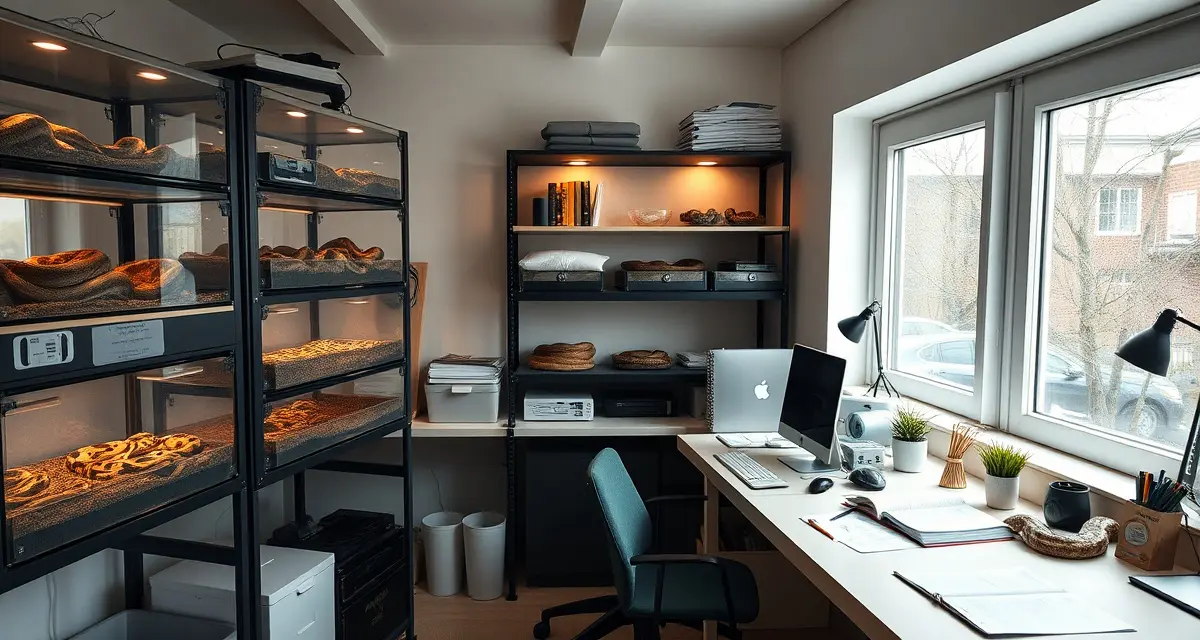
- Dedicated breeding room or notable portion of a room
- Multiple rack systems
- Multiple incubators or a large primary incubator
- Established MorphMarket presence
- Expo vendor experience
- A growing base of repeat buyers
The Semi-Pro Operational Challenge
The challenge at this scale is that you're too large to operate casually but potentially not generating enough revenue to invest in the best tools and infrastructure. You're at the threshold where informal systems start to break down.
Spreadsheets that worked for 8 animals don't work as well for 30. Paper records for 10 clutches per season are manageable. For 15 to 20 clutches, they're a liability. Managing a MorphMarket store with 30 to 50 active listings while keeping genetics accurate is a real task.
This is exactly where dedicated breeding software earns its cost. HatchLedger connects your animal records, clutch data, genetics, and financial tracking in one system that scales. The ball python business pillar covers the business formalization steps appropriate for this level.
Financial Discipline at Semi-Pro Scale
At $15,000 to $30,000 in annual revenue, you need to understand your costs. Feed for 30 animals, electricity for a dedicated breeding room, equipment maintenance, expo costs, shipping materials, MorphMarket subscription, and your proportional time cost are all real expenses.
Track everything. Know your gross revenue, net revenue after costs, and net profit per clutch. Know which pairings are generating returns and which are consuming resources without proportional revenue.
Project Selection at Semi-Pro Scale
You can now run more projects simultaneously because you have the volume to support multiple parallel recessive builds and maintain enough co-dominant inventory for consistent cash flow.
A semi-pro portfolio might include:
- 2 to 3 recessive projects at various stages
- BEL complex production line (consistent, steady revenue)
- High-value combination female breeders paired with premium males
- Some production animals generating volume at mid-tier price points
Building and Managing Your Buyer Network
At this scale, waitlists and repeat buyers are essential. You should have:
- A structured waitlist management system (not just DMs)
- Regular social media updates on your breeding projects
- An established MorphMarket presence with reviews
- A few expo slots per year for in-person relationship building
Your reputation is now a meaningful business asset. Protect it.
Frequently Asked Questions
What is the best approach to ball python breeding at a semi-professional scale?
Implement professional operational systems for records, genetics, and financials; run 2 to 3 recessive projects alongside consistent co-dominant production; build and maintain a structured buyer network; and track every cost and revenue event for accurate financial visibility.
How do semi-professional breeders manage collections of 15 to 40 ball pythons?
They use dedicated breeding software for record tracking, maintain structured feeding and weight schedules, plan breeding pairings strategically based on financial and genetic data, and build systems for consistent buyer communication and waitlist management.
What software helps semi-professional ball python breeders manage their operations?
HatchLedger is purpose-built for reptile breeders, connecting animal records, breeding history, clutch outcomes, and financial tracking in one connected system. Unlike general spreadsheets or notes apps, it's designed around the specific workflow of an active breeding season -- from pairing records through hatchling inventory and sales documentation. Free for up to 20 animals.
What records should every reptile breeder maintain per animal?
At minimum: acquisition date and source, morph and genetic documentation, feeding log, weight history, any veterinary treatments, and breeding history including pairing dates, clutch of origin for captive-bred animals, and offspring records. These records serve your own management, buyer documentation, regulatory compliance, and long-term genetic tracking.
How should reptile breeders document genetics for buyers?
A complete genetic record for sale includes the animal's visual morph name, confirmed het genes and their basis (parentage documentation or proven-out production), possible het genes with probability percentages, hatch date, and parent morph information. Including clutch-of-origin records lets buyers independently verify the claims.
What is Ball Python Breeding Guide for Semi Pro Breeders?
A Ball Python Breeding Guide for Semi-Pro Breeders is a comprehensive resource covering the operational systems, genetics tracking, breeding protocols, and financial management needed to run a 15-40 animal breeding operation. It bridges the gap between hobbyist keeping and full commercial production, focusing on documentation, clutch planning, and treating reptile breeding with genuine business discipline to maximize both hatchling quality and profitability.
How much does Ball Python Breeding Guide for Semi Pro Breeders cost?
The guide itself is free content on HatchLedger. The real costs are in building your breeding operation: expect to invest in rack systems, incubators, proven breeding animals, and record-keeping tools. A semi-pro setup of 15-40 animals typically represents $5,000-$20,000+ in initial capital depending on the morphs and infrastructure you choose.
How does Ball Python Breeding Guide for Semi Pro Breeders work?
The guide walks you through cooling and conditioning protocols to trigger breeding behavior, pairing strategies, egg incubation, and hatchling management. It emphasizes connecting animal records, lineage documentation, and financial tracking into a unified system so every clutch informs future breeding decisions and every sale is backed by verifiable parentage data.
What are the benefits of Ball Python Breeding Guide for Semi Pro Breeders?
Core benefits include improved reproductive success through proven seasonal protocols, stronger buyer confidence through documented genetics, and clearer profitability through cost-per-animal analysis. Operational systems reduce administrative overhead, freeing time for animal care and strategic project planning. Breeders operating at this scale typically generate $8,000-$30,000+ annually when running a disciplined, well-documented program.
Who needs Ball Python Breeding Guide for Semi Pro Breeders?
This guide is designed for breeders who have outgrown casual hobbyist keeping but aren't yet running a full commercial facility. If you have 15-40 animals, produce multiple clutches per season, earn meaningful supplemental income from sales, and want to operate with more business discipline and better records, this guide addresses your specific stage of growth.
How long does Ball Python Breeding Guide for Semi Pro Breeders take?
Building a semi-pro operation takes one to three breeding seasons to fully systematize. Your first season establishes baseline records and refines cooling and pairing protocols. By season two or three, you'll have historical clutch data to guide project decisions and cost analysis to benchmark profitability. The documentation and financial systems described pay compounding returns the longer they're maintained.
Related Articles
- Ball Python Breeding Guide for Hobbyist Breeders
- Ball Python Ethical Breeding Practices: A Guide for Responsible Breeders
Sources
- USARK (United States Association of Reptile Keepers)
- Association of Reptilian and Amphibian Veterinarians (ARAV)
- World of Ball Pythons (WoBP genetics reference database)
- MorphMarket (reptile industry marketplace)
- Reptiles Magazine (Bowtie Inc.)
Get Started with HatchLedger
Reptile breeders who track animal records, breeding history, and financials in a connected system make better decisions each season and provide better documentation to buyers. HatchLedger is built for that workflow. Try it free with up to 20 animals.