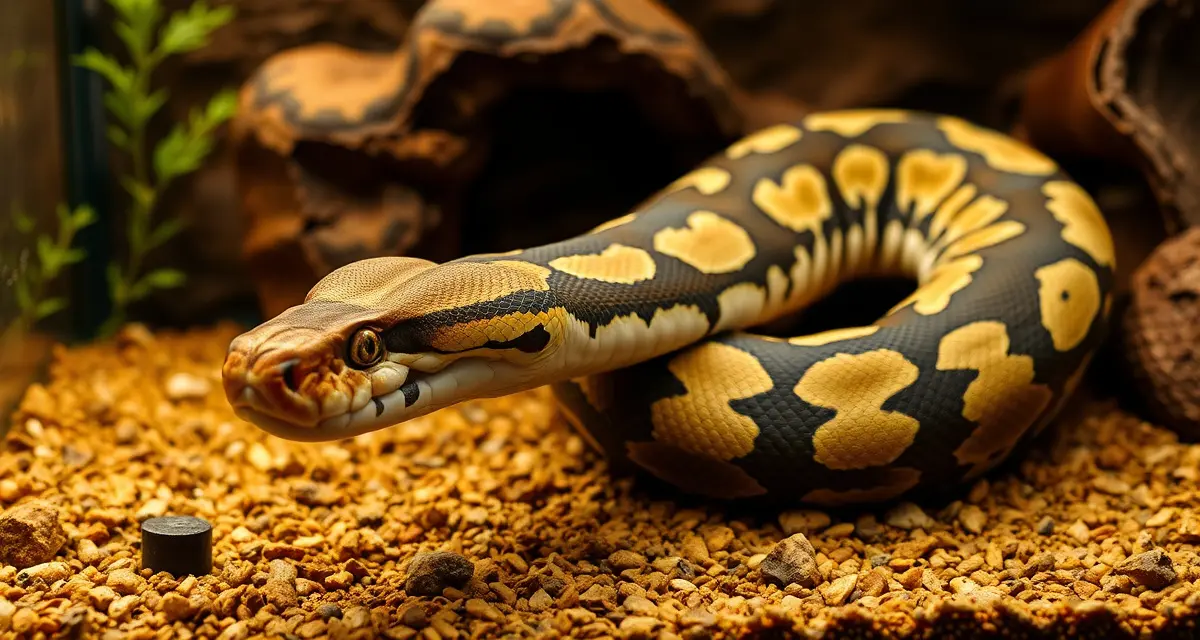
Reticulated Python Common Breeding Issues: Complete Breeder Guide
By HatchLedger Editorial Team · Published 2025-02-21 · Updated Mar 13, 2026
Reticulated python breeding at scale creates challenges that are partly shared with other large constrictors and partly unique to the species. The animals' size makes physical management more complex, the regulatory environment requires extra attention, and the scale of large clutches amplifies the consequences of incubation failures. Breeders using integrated software report 30% less time on administrative tasks, which is time needed to manage these challenges systematically.
TL;DR
- Reticulated pythons (Malayopython reticulatus) are the world's longest snake species, with breeding females commonly exceeding 10-14 feet.
- Clutch sizes average 30-60 eggs, making retics one of the most productive large constrictors in captive breeding.
- Temperature drops of 5-8 degrees Fahrenheit over 6-8 weeks typically trigger breeding behavior without the longer cooling required by temperate species.
- Incubation runs 80-90 days at 88-90 degrees Fahrenheit, longer than most python species due to egg size.
- Super dwarf and dwarf locality animals are bred specifically for smaller adult size and command significant premiums over standard retics.
Male Readiness and Performance Issues
Male retics that aren't properly cycled will show reduced or absent breeding interest. Verify that your male went through the full cycling protocol (4-6 weeks at reduced temperatures) before concluding he has a performance problem. Males being used for their first season sometimes show less reliable breeding behavior than proven breeders.
Male fertility can decline with overuse during a single season. If you're breeding one male to multiple females, space introductions and monitor the male's condition. A male that's losing significant weight through breeding season needs rest. Slug rates that start high and get progressively higher across pairings later in the season may indicate male fatigue rather than individual fertility failure.
Aggressive Female Behavior
Retic females can be very aggressive during breeding introductions when not receptive. Given the size of breeding adults, aggressive interactions carry real injury risk to both animals and handlers. Never force interactions when a female is showing clear rejection behavior.
Learn each female's normal temperament so you can recognize behavioral changes during receptive periods. Some retic females show notably reduced defensiveness when they're in breeding condition. Use this behavioral indicator as a guide for introduction timing.
High Slug Rates
Investigate slug rates above 20-25% by reviewing pairing records for confirmed copulation events. Retics are large animals and may cohabitate for extended periods without actually breeding. Visual confirmation of copulation (not just cohabitation) matters.
If copulation was confirmed, evaluate male fertility across all pairings in the season. Temperature extremes during follicle development or incubation errors can also produce high apparent slug rates.
Dystocia in Large Females
Egg retention in a large retic is a veterinary emergency. Signs include a female that has clearly progressed through the reproductive cycle (ovulation, pre-lay shed) but hasn't laid within the expected window. Very large retained egg masses may be visible or palpable through the body wall.
Dystocia in a large retic requires veterinary intervention with appropriate staff and equipment for safely restraining and treating a large powerful snake. Don't delay seeking help -- retained eggs that aren't addressed promptly can become life-threatening.
HatchLedger logs breeding complications against the animals involved, creating a record that informs future management.
HatchLedger tracks breeding outcomes against financial performance.
Frequently Asked Questions
What is the best approach to troubleshooting reticulated python breeding issues?
Work through each failure point with data rather than assumptions. For male performance: verify cycling was adequate and check male condition. For high slug rates: confirm copulation was observed rather than assumed, and evaluate whether male performance is consistent across all his pairings. For dystocia: seek veterinary help immediately. Maintain records at every stage so troubleshooting is data-driven.
How do professional breeders handle reticulated python breeding problems?
Professionals document every aspect of their retic breeding season specifically because the stakes are high with these large, valuable animals. They observe pairings directly, track male condition through breeding season, monitor females closely for dystocia risk, and have established veterinary relationships that can handle large constrictors. Their records provide the context for systematic troubleshooting when problems arise.
What software helps manage reticulated python breeding issue tracking?
HatchLedger tracks cycling records, pairing introductions, clutch documentation, locality lineage, and sale records for reticulated python breeders. With large animals, large clutches, and locality documentation all requiring careful records, having everything in one system reduces the risk of documentation errors at sale. Free for up to 20 animals.
What is the difference between standard, dwarf, and super dwarf reticulated pythons?
Standard reticulated pythons are the full-size animals from mainland Asian populations. Dwarf retics originate from island populations (Kalatoa, Kayuadi) and typically reach 8-12 feet. Super dwarf retics from Madu and Selayer islands often cap below 8 feet. These size differences are locality-based, and crossing localities produces intermediates. Locality documentation in your records is essential for accurate representation to buyers.
What are the legal considerations for keeping and breeding reticulated pythons?
Regulations vary significantly by state and municipality. Several US states restrict or ban large constrictors, and federal regulations under the Lacey Act apply to some populations. USARK maintains current regulatory information. Before breeding retics at scale, confirm that selling and shipping animals is permitted in your jurisdiction and target markets.
What is Reticulated Python Common Breeding Issues: Complete Breeder Guide?
The Reticulated Python Common Breeding Issues: Complete Breeder Guide is a comprehensive resource covering the unique challenges of breeding Malayopython reticulatus at scale. It addresses male readiness, cycling protocols, incubation management for large clutches of 30-60 eggs, dwarf and super dwarf locality breeding, regulatory considerations, and administrative efficiency. The guide is designed for serious reptile breeders managing multiple animals and large-scale operations on platforms like HatchLedger.
How much does Reticulated Python Common Breeding Issues: Complete Breeder Guide cost?
The guide is free editorial content published on HatchLedger. There is no purchase required to access the breeding information. HatchLedger offers breeding management software with tools that help retic breeders reduce administrative time by up to 30%, freeing more hours for hands-on animal care. Subscription pricing for the software platform is available separately on the HatchLedger website.
How does Reticulated Python Common Breeding Issues: Complete Breeder Guide work?
The guide walks breeders through each phase of the reticulated python breeding cycle: initiating breeding behavior through temperature drops of 5-8°F over 6-8 weeks, pairing males and females, monitoring gravid females, collecting and incubating eggs at 88-90°F for 80-90 days, and managing hatchlings from large clutches. It identifies common failure points at each stage and provides practical solutions drawn from large-scale captive breeding experience.
What are the benefits of Reticulated Python Common Breeding Issues: Complete Breeder Guide?
The guide helps breeders identify and prevent the most costly reticulated python breeding failures before they happen. Benefits include understanding species-specific cycling requirements, optimizing incubation conditions for large eggs, managing the logistics of 30-60 egg clutches, and navigating regulatory requirements unique to retics. Breeders also learn how integrated record-keeping software reduces administrative overhead, improving consistency across multiple breeding pairs and seasons.
Who needs Reticulated Python Common Breeding Issues: Complete Breeder Guide?
This guide is written for experienced reptile breeders who work with reticulated pythons, including standard, dwarf, and super dwarf localities. It is most useful for breeders managing multiple animals or scaling their operations, those experiencing male performance issues or incubation failures, and keepers transitioning from smaller python species who need guidance on the unique demands of the world's longest snake species.
How long does Reticulated Python Common Breeding Issues: Complete Breeder Guide take?
The breeding cycle for reticulated pythons spans roughly 5-7 months from initial cycling through hatchling emergence. The temperature-drop cycling period runs 6-8 weeks, follicle development and gestation add several more months, and incubation alone takes 80-90 days due to the large egg size. Reading this guide takes under 20 minutes, but successfully applying its protocols across a full breeding season requires planning that begins months before intended egg-laying.
Related Articles
- Green Tree Python Common Breeding Issues: Complete Breeder Guide
- Blood Python Common Health Issues: Complete Breeder Guide
Sources
- USARK (United States Association of Reptile Keepers)
- Association of Reptilian and Amphibian Veterinarians (ARAV)
- Journal of Herpetology (Society for the Study of Amphibians and Reptiles)
- CITES Appendix II (international trade documentation)
- Southeast Asian Biodiversity Society
Get Started with HatchLedger
Reticulated python breeding at any scale involves large animals, large clutches, morph and locality genetics overview, and compliance and shipping records that require an organized system to manage well. HatchLedger tracks every animal, pairing, clutch, and sale record in one place. Try it free with up to 20 animals.