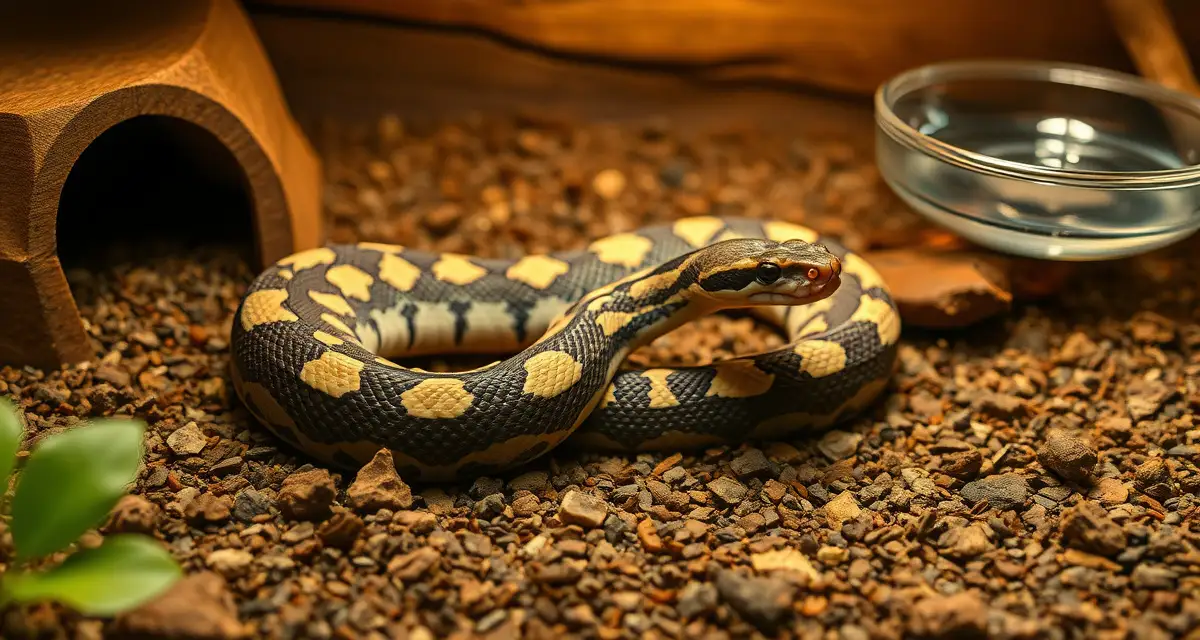
Reticulated Python Hatchling Care Guide: Complete Breeder Guide
By HatchLedger Editorial Team · Published 2025-05-26 · Updated Mar 13, 2026
Reticulated python hatchlings are among the most alert, active, and defensively responsive neonates of any commonly bred python species. They emerge from the egg ready to defend themselves and need to be handled with more awareness than a ball python hatchling. At the same time, they're generally good feeders once properly set up and are among the most rapidly growing snakes in the hobby. Breeders using integrated software report 30% less time on administrative tasks, time better spent on the individual management these active hatchlings need.
TL;DR
- Reticulated pythons (Malayopython reticulatus) are the world's longest snake species, with breeding females commonly exceeding 10-14 feet.
- Clutch sizes average 30-60 eggs, making retics one of the most productive large constrictors in captive breeding.
- Temperature drops of 5-8 degrees Fahrenheit over 6-8 weeks typically trigger breeding behavior without the longer cooling required by temperate species.
- Incubation runs 80-90 days at 88-90 degrees Fahrenheit, longer than most python species due to egg size.
- Super dwarf and dwarf locality animals are bred specifically for smaller adult size and command significant premiums over standard retics.
Housing Hatchling Retics
Individual housing from day one. Retic hatchlings cannot be cohoused -- they will injure each other during feeding or simply through competition for space.
A 15-32 quart tub works for the first several months, but be prepared to upgrade regularly. Reticulated pythons are fast growers, and what fits comfortably in October may be inadequate by March. Full-size line hatchlings can double or triple their birth weight in the first six months with consistent feeding.
Temperature: warm side at 88-92F, ambient cool side at 78-82F. Belly heat from UTH or overhead heat source depending on your rack setup. Humidity at 65-75%.
Hides are important for retic hatchlings even in rack setups. An animal that feels secure will show better feeding response and less defensive behavior than one that's constantly exposed in an open tub.
First Feeding
Retic hatchlings are usually excellent feeders. Most will accept F/T prey warmed to 95-100F at the surface within 7-14 days of completing their first shed. Start with appropriately sized prey -- retic hatchlings are typically 24-30 inches at birth and need adult mice or small rat fuzzies.
If F/T is refused, try fresh-killed warm prey. Very few retic hatchlings require more than fresh-killed warm prey to accept their first meal. The paper bag method works for reluctant individuals.
Retic hatchlings that have established feeding are enthusiastic feeders. Feed every 5-7 days for the first year to support their rapid growth.
Safety Awareness from Day One
Even as hatchlings, reticulated pythons are fast strikers with strong feeding responses. Use tongs for feeding. Don't mistake a hungry retic's striking response for personality -- it's normal predatory behavior that continues throughout their lives and must be managed appropriately regardless of size.
Hook train from day one. Using a hook tap to signal "this is handling, not feeding" before every interaction builds a behavioral conditioner that makes full-grown retics significantly safer to manage. Hook training is not optional for retics -- it's a safety investment that pays dividends for the animal's entire life.
Log all handling interactions and note defensive behavior changes over time. Animals that are well-handled from hatchling through juvenile stages are markedly different in temperament than those handled inconsistently or rarely.
HatchLedger creates individual hatchling records linked to the parent clutch, with feeding logs, shed records, and behavioral notes.
HatchLedger connects hatchling records to clutch P&L for financial tracking.
Frequently Asked Questions
What is the best approach to reticulated python hatchling care?
House individually with appropriate temperature (warm side 88-92F) and humidity (65-75%). Offer warm F/T prey 7-14 days after the first shed. Feed every 5-7 days once established to support rapid growth. Implement hook training from day one for safety. Log all feeding, shed, and behavioral observations individually. Plan for rapid enclosure size progression -- retics grow fast.
How do professional breeders handle reticulated python hatchling management?
Professional retic breeders prioritize safety training from the start, understanding that hatchlings become large powerful animals quickly. They feed consistently, track growth, and build hook training into every interaction from day one. They also plan for the rapid growth and housing transitions that characterize the first year of a retic's life. Detailed individual records support sales documentation and help identify animals that are developing differently from cohort norms.
What software helps manage reticulated python hatchling records?
HatchLedger tracks cycling records, pairing introductions, clutch documentation, locality lineage, and sale records for reticulated python breeders. With large animals, large clutches, and locality documentation all requiring careful records, having everything in one system reduces the risk of documentation errors at sale. Free for up to 20 animals.
What is the difference between standard, dwarf, and super dwarf reticulated pythons?
Standard reticulated pythons are the full-size animals from mainland Asian populations. Dwarf retics originate from island populations (Kalatoa, Kayuadi) and typically reach 8-12 feet. Super dwarf retics from Madu and Selayer islands often cap below 8 feet. These size differences are locality-based, and crossing localities produces intermediates. Locality documentation in your records is essential for accurate representation to buyers.
What are the legal considerations for keeping and breeding reticulated pythons?
Regulations vary significantly by state and municipality. Several US states restrict or ban large constrictors, and federal regulations under the Lacey Act apply to some populations. USARK maintains current regulatory information. Before breeding retics at scale, confirm that selling and shipping animals is permitted in your jurisdiction and target markets.
What is Reticulated Python Hatchling Care Guide: Complete Breeder Guide?
The Reticulated Python Hatchling Care Guide is a comprehensive breeder resource covering every stage of retic neonate management — from incubation and hatching through first feeds, housing setup, and early growth. It addresses the unique challenges of this species, including their defensive temperament at birth, high clutch productivity (30-60 eggs), and rapid growth rates. The guide also covers dwarf and super dwarf locality considerations, helping breeders manage one of the most rewarding yet demanding large constrictors in the hobby.
How much does Reticulated Python Hatchling Care Guide: Complete Breeder Guide cost?
The guide is free educational content published on HatchLedger. There is no purchase required to access the care information. HatchLedger does offer breeding management software that some breeders use alongside guides like this one — breeders using that platform report saving around 30% of their administrative time, freeing them to focus on the hands-on care that retic hatchlings demand.
How does Reticulated Python Hatchling Care Guide: Complete Breeder Guide work?
The guide walks breeders through a structured care framework: setting up individual hatchling enclosures, dialing in temperatures and humidity, establishing a feeding schedule, and tracking early growth. It covers how retics differ from other pythons — they are more alert and defensively reactive at hatch — and explains how consistent routine, proper hide placement, and accurate record-keeping combine to produce healthy, well-conditioned juveniles ready for sale or grow-out.
What are the benefits of Reticulated Python Hatchling Care Guide: Complete Breeder Guide?
Following a structured retic hatchling protocol reduces feeding refusals, minimizes stress-related health issues, and improves overall clutch survival rates. Breeders benefit from clearer expectations around the species' rapid growth, allowing better planning for enclosure upgrades and feeding budgets. Dwarf and super dwarf breeders gain specific guidance on managing smaller locality animals that command premium prices, helping protect the value of each hatchling through proper early-life husbandry.
Who needs Reticulated Python Hatchling Care Guide: Complete Breeder Guide?
This guide is aimed at intermediate to advanced reptile breeders who are working with reticulated pythons for the first time or scaling up their retic program. It is especially useful for breeders already experienced with ball pythons or other colubrids who need to understand how retics differ behaviorally and physiologically as neonates. Hobbyists considering their first large constrictor clutch will also find the incubation timelines, clutch size data, and feeding guidance directly actionable.
How long does Reticulated Python Hatchling Care Guide: Complete Breeder Guide take?
The guide itself can be read in under 30 minutes. In practice, the early hatchling care period it covers spans roughly the first 8-16 weeks post-hatch — from first shed and first feed through establishment of a reliable feeding response. Given retics' fast metabolism and growth rate, this window moves quickly compared to slower-growing species, making early consistency especially important for long-term health and temperament outcomes.
Related Articles
- Reticulated Python Hatchling Inventory Management: Complete Breeder Guide
- Blood Python Hatchling Inventory Management: Complete Breeder Guide
Sources
- USARK (United States Association of Reptile Keepers)
- Association of Reptilian and Amphibian Veterinarians (ARAV)
- Journal of Herpetology (Society for the Study of Amphibians and Reptiles)
- CITES Appendix II (international trade documentation)
- Southeast Asian Biodiversity Society
Get Started with HatchLedger
Reticulated python breeding at any scale involves large animals, large clutches, morph and locality genetics overview, and compliance and shipping records that require an organized system to manage well. HatchLedger tracks every animal, pairing, clutch, and sale record in one place. Try it free with up to 20 animals.