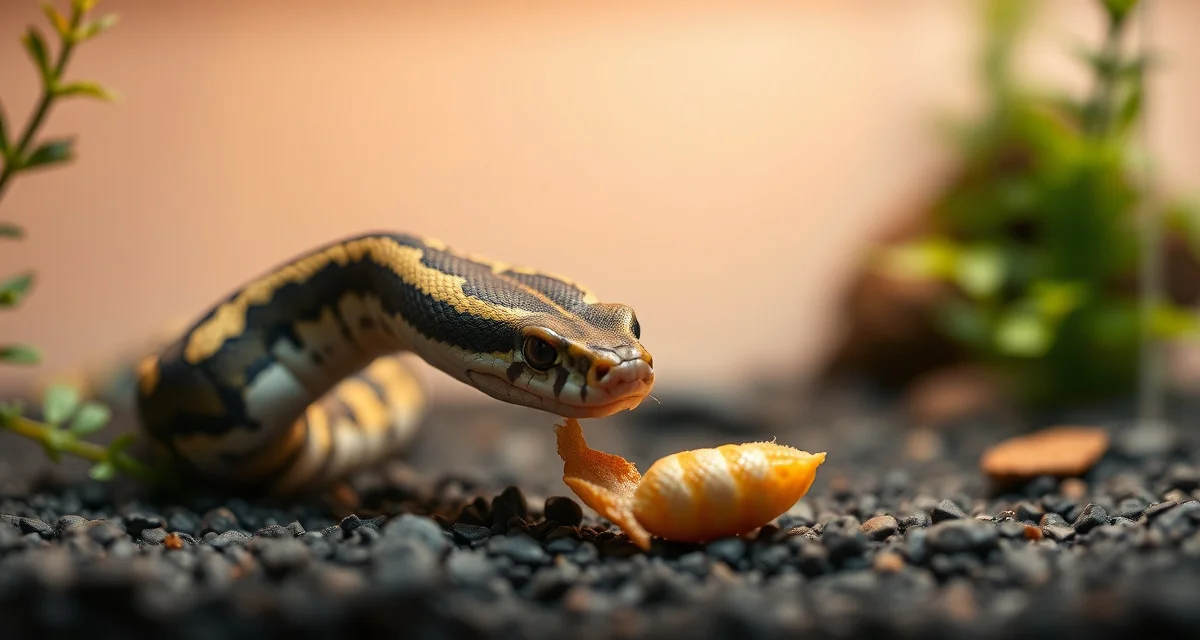
Carpet Python Feeding Hatchlings: Complete Breeder Guide
By HatchLedger Editorial Team · Published 2025-07-05 · Updated Mar 13, 2026
Feeding carpet python hatchlings is consistently cited as one of the more challenging aspects of the species. While some individuals accept frozen/thawed prey readily from the start, many carpet python neonates require more patient, creative approaches to establish feeding. Breeders using integrated software report 30% less time on administrative tasks, which is time you'll need for the individualized attention that reluctant carpet python feeders often require.
TL;DR
- Carpet pythons (Morelia spilota) encompass multiple recognized subspecies genetics overview including coastal, jungle, diamond, and Irian Jaya, each with distinct breeding triggers.
- Most carpet python subspecies require a 2-3 month seasonal cycling period with temperatures dropping 10-15 degrees Fahrenheit to trigger reliable ovulation.
- Average clutch size recordss range from 10-20 eggs, with large female diamond carpets sometimes producing 25 or more.
- Incubation typically runs 55-65 days at 84-88 degrees Fahrenheit, slightly lower than ball python targets.
- Subspecies identification in your records matters: crossing subspecies produces offspring of uncertain market value and documentation becomes complex.
The key is having a systematic troubleshooting process and the patience to work through it rather than giving up after a few refusals. Most carpet python hatchlings that appear to be chronic non-feeders will eventually start eating when the right approach is found.
Setting the Stage for Successful Feeding
Before the first feeding attempt, make sure your housing is right. Hatchlings that are too warm, too cold, stressed from handling, or in an insecure environment often won't feed. Confirm your warm-side temperature is hitting 88-90F, your cool side is around 75-80F, and the hatchling has a hide that it's using consistently.
Wait for the first shed to complete before any feeding attempt. Offering prey to a pre-shed hatchling results in refusal and unnecessary stress. After the shed, wait an additional 48-72 hours before the first attempt.
Do your feeding attempts in the evening or with reduced light levels. Carpet pythons are crepuscular and show stronger feeding responses in lower light conditions. Feeding attempts during bright daylight often produce weaker strikes, even in otherwise willing feeders.
The Feeding Progression
Start with frozen/thawed (F/T) prey warmed to 95-100F at the surface. Use tongs -- not your hands -- to offer the prey item. Move the prey item slowly in front of the hatchling's face, mimicking movement. Some hatchlings will strike immediately; others won't.
If F/T is refused twice in a row, move to fresh-killed prey. The fresher scent and higher temperature of a freshly-killed mouse often overcomes the aversion to F/T that many carpet hatchlings show initially.
If fresh-killed is also refused, try braining the prey item. Opening the skull releases brain scent, which is a potent feeding trigger for many reluctant pythons.
The paper bag method works well for carpet python hatchlings. Place the snake and a fresh-killed or brined prey item together in a small brown paper bag and fold the top closed. Leave overnight. Check in the morning -- the confined space and darkness often trigger a feeding response in animals that won't strike in an open enclosure.
Scenting prey with lizard shed (blue-tongue skink, anole, or similar) can trigger feeding in some carpet python neonates that aren't responding to standard rodent scent. Rub the prey item with shed skin before offering.
Live prey is a last resort and requires supervision. A live pinky mouse can injure a small hatchling if the hatchling misses its strike. Use only as a final option when other methods have failed.
Logging Feeding Attempts
Every attempt needs a record: date, prey type, method used (F/T warm, fresh-killed, braining, paper bag, live), and outcome (accepted, refused). This seems like a lot of documentation for a small snake, but it serves several purposes.
When a hatchling finally accepts its first meal, you know what method worked. If you sell the animal, you can tell the buyer exactly what it's eating and how it responds. If a hatchling goes six weeks without a meal, the log shows you what you've tried and helps you and your vet determine whether intervention is warranted.
HatchLedger handles individual feeding logs for each hatchling, keeping the data organized and accessible without requiring a separate spreadsheet for each animal.
After the First Meal
Once a hatchling accepts its first meal, offer again in 5-7 days. Many hatchlings that were reluctant feeders settle into reliable feeding once they've had their first meal. Offer the same prey type and method that worked initially for the first few meals before trying to simplify (switch from braining to intact, or from fresh-killed to F/T).
Weigh monthly. Consistent weight gain alongside consistent feeding confirms the animal is developing properly. If weight is flat despite apparent feeding, investigate for parasites or other health issues.
HatchLedger connects feeding records to weight logs in the same animal profile, making it easy to see whether feeding history correlates with growth.
Frequently Asked Questions
What is the best approach to feeding carpet python hatchlings?
Wait until after the first shed completes, then attempt feeding in the evening with reduced light. Start with warm F/T prey offered via tongs. Work through the troubleshooting progression systematically: braining, fresh-killed, paper bag method, lizard scenting, supervised live as a last resort. Log every attempt with method and outcome. Don't handle hatchlings until they're established on feed -- handling stress makes feeding harder to establish. Be patient; most carpet python neonates do eventually feed, but some need more coaxing than others.
How do professional breeders handle carpet python hatchling feeding challenges?
Professional carpet breeders accept reluctant feeding as a normal part of the species and approach it with a documented protocol rather than improvised attempts. They log every feeding attempt so they have a clear record of what's been tried and when. When a hatchling remains a non-feeder after several weeks of systematic attempts, they have the records to demonstrate what was tried and can make an informed decision about whether veterinary evaluation is warranted. Their records also help them identify patterns -- certain pairings that consistently produce difficult feeders, subspecies differences in feeding response, etc.
What software helps manage carpet python hatchling feeding records?
HatchLedger is purpose-built for reptile breeders, connecting animal records, breeding history, clutch outcomes, and financial tracking in one system. Unlike generic spreadsheets, it's designed around the specific workflow of an active breeding season. Free for up to 20 animals.
How do carpet python subspecies differ in breeding requirements?
Irian Jaya carpet pythons are among the most forgiving of the subspecies and often respond to minimal cycling. Jungle carpets and coastal carpets benefit from more pronounced temperature drops. Diamond carpet pythons from cooler Australian habitats may require the most aggressive cooling protocol of all the subspecies to achieve reliable ovulation.
Can carpet pythons from different subspecies be crossed?
Technically yes, but the practice is controversial. Many buyers specifically seek pure-subspecies animals, and crossing reduces the value and marketability of offspring. Maintaining clear subspecies documentation in your records is important whether you keep them pure or not.
What is Carpet Python Feeding Hatchlings: Complete Breeder Guide?
This guide covers everything carpet python breeders need to know about feeding hatchlings, from first-feed strategies to troubleshooting reluctant feeders. It addresses the unique challenges of multiple subspecies—coastal, jungle, diamond, and Irian Jaya—and provides systematic approaches for establishing consistent feeding responses in neonates. The guide also covers record-keeping, incubation parameters, and how individualized attention during the hatchling stage sets the foundation for healthy, market-ready animals.
How much does Carpet Python Feeding Hatchlings: Complete Breeder Guide cost?
This is a free educational resource for reptile breeders. There is no cost to access the Carpet Python Feeding Hatchlings guide on HatchLedger. While the information itself is free, breeders should budget for prey items, enclosures, and breeding management tools. Software like HatchLedger can reduce administrative time by around 30%, freeing you up for the hands-on feeding work that carpet python hatchlings often demand.
How does Carpet Python Feeding Hatchlings: Complete Breeder Guide work?
The guide walks breeders through a structured feeding protocol starting with enclosure setup, prey sizing, and timing. It explains how to attempt frozen/thawed prey first, then escalate to assist-feeding or scenting techniques for reluctant feeders. Each hatchling is treated individually, with record-keeping tracking feeding responses over time. The systematic troubleshooting process helps breeders identify patterns and adjust variables like prey type, temperature, and feeding environment until consistent feeding is established.
What are the benefits of Carpet Python Feeding Hatchlings: Complete Breeder Guide?
Following this guide helps breeders reduce hatchling loss, establish feeding more quickly, and produce animals that are easier to sell. Well-started feeders command better prices and generate fewer buyer complaints. The guide also improves record accuracy around subspecies identification, which matters for market value and ethical breeding practices. Breeders who document feeding history thoroughly are better positioned to build a reputable operation and track genetic lines across clutches.
Who needs Carpet Python Feeding Hatchlings: Complete Breeder Guide?
This guide is designed for carpet python breeders at all experience levels—from hobbyists hatching their first clutch to established operations managing multiple subspecies. It is especially valuable for anyone struggling with reluctant feeders or looking to systematize their hatchling care. Breeders working with diamond carpets, jungle carpets, or Irian Jayas will find subspecies-specific context useful, as feeding behavior and temperament can vary significantly across the Morelia spilota complex.
How long does Carpet Python Feeding Hatchlings: Complete Breeder Guide take?
Establishing consistent feeding in carpet python hatchlings typically takes two to eight weeks depending on the individual animal. Some neonates accept their first frozen/thawed pinky within days of their first shed; others require several weeks of patient troubleshooting. The full hatchling stage—from pip to reliable self-feeding—generally spans one to three months. Breeders should plan for this window and avoid selling animals until feeding is confirmed and documented across multiple consecutive meals.
Related Articles
- Reticulated Python Feeding Hatchlings: Complete Breeder Guide
- Boa Constrictor Feeding Hatchlings: Complete Breeder Guide
- Carpet Python Breeding Season Timing: Complete Breeder Guide
- Carpet Python Buyer Waitlist Management: Complete Breeder Guide
Sources
- USARK (United States Association of Reptile Keepers)
- Association of Reptilian and Amphibian Veterinarians (ARAV)
- Australian Journal of Zoology
- Herpetofauna (Australian Herpetological Society)
- The Herpetoculture of Morelia (published reference)
Get Started with HatchLedger
Carpet python breeding across multiple subspecies means tracking distinct protocols per animal and maintaining subspecies lineage documentation that buyers increasingly expect. HatchLedger connects animal records, breeding history, and clutch documentation in one system. Try it free with up to 20 animals.