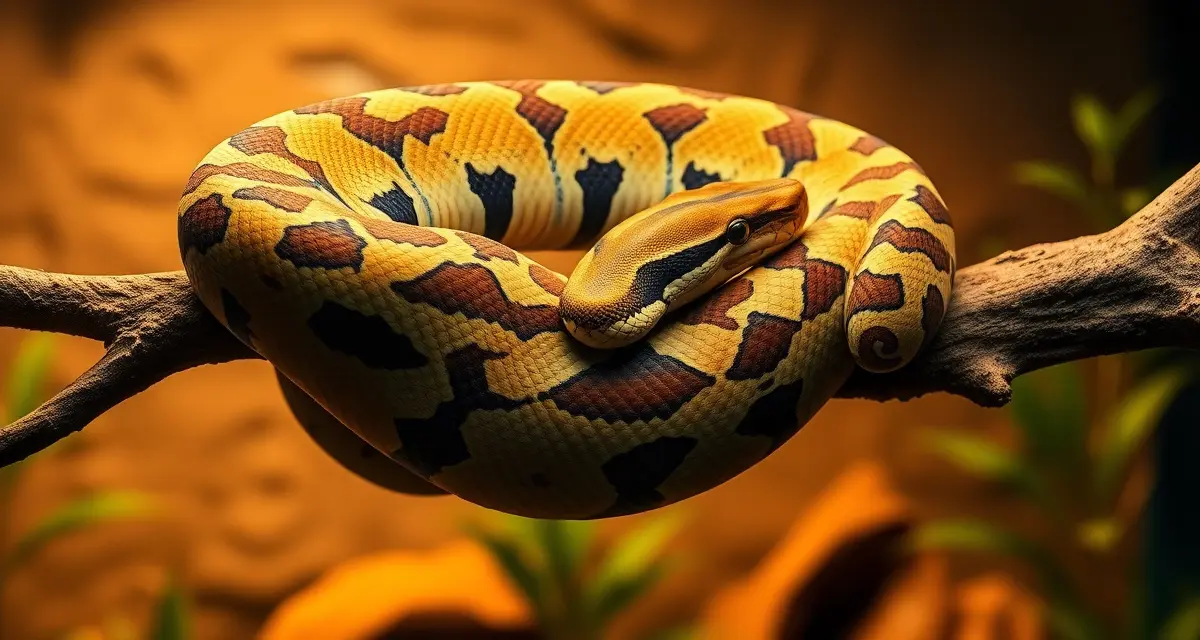
Reticulated Python Feeding Hatchlings: Complete Breeder Guide
By HatchLedger Editorial Team · Published 2025-06-30 · Updated Mar 13, 2026
Feeding reticulated python hatchlings is one of the less stressful parts of retic keeping -- they're typically eager, aggressive feeders from their first meal. The challenge isn't usually getting them to eat; it's building a feeding system that handles large numbers of fast-growing individuals without becoming a chaotic, time-consuming process. Breeders using integrated software report 30% less time on administrative tasks, and for a retic clutch that can produce 40-80 hatchlings, that time savings matters.
TL;DR
- Reticulated pythons (Malayopython reticulatus) are the world's longest snake species, with breeding females commonly exceeding 10-14 feet.
- Clutch sizes average 30-60 eggs, making retics one of the most productive large constrictors in captive breeding.
- Temperature drops of 5-8 degrees Fahrenheit over 6-8 weeks typically trigger breeding behavior without the longer cooling required by temperate species.
- Incubation runs 80-90 days at 88-90 degrees Fahrenheit, longer than most python species due to egg size.
- Super dwarf and dwarf locality animals are bred specifically for smaller adult size and command significant premiums over standard retics.
Timing the First Meal
Don't rush the first feeding. Retic hatchlings need to complete their first shed before they're ready to eat, which typically happens 7-14 days after hatching. Trying to feed before the first shed is usually counterproductive -- the animal is focused on shedding, not eating, and an early refused meal can create unnecessary feeding records confusion.
After the first shed is complete, offer food within 48-72 hours. The prey item should be thawed and warmed to 95-100F surface temperature. Check the warm spot with your fingertip or a surface thermometer before offering. A prey item that feels cool to the touch won't trigger the heat-seeking feeding response reliably.
Prey Size and Type
Match prey size to the hatchling's girth, not length. A common mistake with retic hatchlings is offering prey that's too small -- retics are designed to take substantial prey and will often attempt prey items that look oversized compared to their heads. Start with adult mice or small rat fuzzies for standard-size line hatchlings. Dwarf and superdwarf hatchlings start slightly smaller.
Frozen/thawed prey is the preferred standard from day one. Most retic hatchlings accept F/T without hesitation, and establishing that pattern from the start avoids the live-prey dependency that causes headaches later. If you get a refuser, fresh-killed and still-warm prey is the next step before escalating to any scenting techniques.
For reluctant feeders, the paper bag or deli cup method works well. Place the hatchling and a warm F/T prey item in a small enclosed space overnight. The combination of darkness, confinement, and the prey scent usually results in a meal eaten without witness.
Feeding Frequency
Retic hatchlings grow fast and need to eat frequently to support that growth. Feed every 5-7 days for the first year. Some breeders feed every 5 days for standard line animals and every 7 days for dwarf lines, adjusting based on how quickly individuals are cycling through digestion.
Watch condition, not just the calendar. A hatchling that still has a visible lump from its last meal shouldn't be offered another prey item regardless of the schedule. A hatchling that's looking thin and visibly hungry before the feeding interval is up can be fed sooner.
Feeding Safety
Even hatchling retics have strong feeding responses and will strike at anything warm near their enclosure. Always use feeding tongs rather than your fingers. This isn't just about avoiding a bite -- it's about conditioning the animal from day one. Retics that learn to associate hand presence with food become progressively more difficult to manage as they grow. Tongs for feeding, hook for handling; that distinction should be established from the first interaction.
Do not handle retics within 48 hours of feeding. Hatchlings seem small and manageable, but the regurgitation response is real and regurgitation is stressful and damaging to the animal. Build the post-feeding rest period into your routine from the start.
Tracking Feeding Across a Large Clutch
A 50-hatchling retic clutch means 50 individual feeding records every week or so. Without a system, you'll lose track of which animals have eaten, which are on feeding strikes, and which are developing more slowly than their clutch cohort.
The minimum viable tracking approach is a feeding log per animal showing date, prey item, prey weight, and whether the meal was accepted or refused. Refusals should be documented rather than just forgotten -- a pattern of refusals is more useful information than a single data point.
HatchLedger maintains individual feeding logs for each hatchling linked to the parent clutch, making it straightforward to identify individuals that are behind on feeding or showing irregular patterns.
Weight tracking alongside feeding logs is particularly useful for retic hatchlings given their rapid growth. An animal that's eating consistently should show predictable weight gain. An animal that's eating but not gaining weight appropriately, or one that's refusing but maintaining weight, each represent different situations that warrant investigation.
Converting to Larger Prey
As retic hatchlings grow -- and they grow fast -- prey size needs to keep pace. Standard line retics that hatch at 24-28 inches can reach 36-48 inches within six months with consistent feeding. Prey that was appropriate at hatching will be inadequate by month three.
The transition from mice to small rats and then to progressively larger rats should happen based on the animal's girth, not a fixed schedule. Most breeders feel confident going up in prey size when the animal is taking its current prey item with clear ease and showing no strain from consumption.
Tracking prey item size changes in your feeding log gives you a growth indicator over time. An animal that progressed from adult mice to small rats to medium rats over six months of records tells a clear performance story. An animal that's still on the same prey size at month six that it was on at hatching has a problem that needs attention.
HatchLedger connects hatchling records to clutch P&L, so feeding costs and growth performance are visible as part of your overall project evaluation.
Frequently Asked Questions
What is the best approach to reticulated python feeding hatchlings?
Wait for the first shed (7-14 days post-hatch) before offering food. Offer F/T prey warmed to 95-100F surface temperature. Start with adult mice or small rat fuzzies for standard line animals. Feed every 5-7 days to support rapid growth. Always use tongs, never fingers. Track every feeding by individual animal -- with a large retic clutch, individual records are the only way to stay on top of 50+ fast-growing animals. Adjust prey size upward as the animals grow, which happens quickly.
How do professional breeders handle reticulated python hatchling feeding?
Professionals establish F/T feeding from day one and use tongs for every interaction. They track individual feeding records for every hatchling, noting date, prey item, prey weight, and acceptance or refusal. They compare weight gain to feeding frequency to identify animals that are underperforming or that may have underlying issues. They also build hook training into every handling interaction from the start, understanding that a hatchling retic's habits become a large adult retic's habits within a few years.
What software helps manage reticulated python hatchling feeding records?
HatchLedger tracks cycling records, pairing introductions, clutch documentation, locality lineage, and sale records for reticulated python breeders. With large animals, large clutches, and locality documentation all requiring careful records, having everything in one system reduces the risk of documentation errors at sale. Free for up to 20 animals.
What is the difference between standard, dwarf, and super dwarf reticulated pythons?
Standard reticulated pythons are the full-size animals from mainland Asian populations. Dwarf retics originate from island populations (Kalatoa, Kayuadi) and typically reach 8-12 feet. Super dwarf retics from Madu and Selayer islands often cap below 8 feet. These size differences are locality-based, and crossing localities produces intermediates. Locality documentation in your records is essential for accurate representation to buyers.
What are the legal considerations for keeping and breeding reticulated pythons?
Regulations vary significantly by state and municipality. Several US states restrict or ban large constrictors, and federal regulations under the Lacey Act apply to some populations. USARK maintains current regulatory information. Before breeding retics at scale, confirm that selling and shipping animals is permitted in your jurisdiction and target markets.
What is Reticulated Python Feeding Hatchlings: Complete Breeder Guide?
This is a comprehensive guide for reptile breeders covering the complete feeding process for reticulated python hatchlings. It addresses timing the first meal, prey sizing, feeding frequency, and managing large clutches efficiently. Reticulated pythons (Malayopython reticulatus) are the world's longest snake species, producing clutches of 30-60 eggs, so the guide emphasizes building scalable feeding systems. It also covers super dwarf and dwarf locality animals, which command significant market premiums and require the same foundational hatchling care.
How much does Reticulated Python Feeding Hatchlings: Complete Breeder Guide cost?
HatchLedger's Reticulated Python Feeding Hatchlings guide is free to read on the HatchLedger website. The platform offers breeder management software that helps track feeding records, growth, and clutch data across large groups of hatchlings. Breeders using integrated software report 30% less time on administrative tasks — a meaningful saving when managing clutches of 40-80 retic hatchlings. Pricing for HatchLedger's software tools is available on the HatchLedger website.
How does Reticulated Python Feeding Hatchlings: Complete Breeder Guide work?
The guide walks breeders through each stage of hatchling feeding: waiting for the first shed before offering food, selecting appropriately sized prey items, establishing feeding schedules, and tracking individual animals across large clutches. It explains how reticulated pythons are typically aggressive feeders from their first meal, so the focus shifts to building an organized, repeatable system rather than troubleshooting reluctant feeders. Software integration helps manage records across dozens of fast-growing individuals simultaneously.
What are the benefits of Reticulated Python Feeding Hatchlings: Complete Breeder Guide?
The guide helps breeders avoid common mistakes like feeding too early before first shed, offering oversized prey, or losing track of individual feeding histories across large clutches. Retic hatchlings grow rapidly, requiring frequent prey size adjustments. A structured approach reduces stress on animals and breeders alike. For commercial or serious hobbyist breeders producing 40-80 hatchlings per clutch, the time and record-keeping efficiencies covered in the guide directly impact profitability and animal health outcomes.
Who needs Reticulated Python Feeding Hatchlings: Complete Breeder Guide?
This guide is written for reticulated python breeders at any experience level — from hobbyists producing their first clutch to commercial operations managing multiple breeding females. It is especially useful for breeders scaling up, since retics produce some of the largest clutches among captive pythons. Breeders working with super dwarf or dwarf locality animals will also find the guide relevant, as these animals follow the same hatchling feeding principles despite their smaller adult size projections.
How long does Reticulated Python Feeding Hatchlings: Complete Breeder Guide take?
Following the guide's recommendations, most reticulated python hatchlings accept their first meal within one to two weeks post-hatch, after completing their first shed. From there, hatchlings are typically fed every 5-7 days given their fast growth rate. The overall hatchling phase — from first meal to juvenile feeding schedules — spans roughly the first 3-6 months of life. Incubation itself runs 80-90 days at 88-90 degrees Fahrenheit, longer than most python species due to the large egg size.
Related Articles
- Boa Constrictor Feeding Hatchlings: Complete Breeder Guide
- Corn Snake Feeding Hatchlings: Complete Breeder Guide
Sources
- USARK (United States Association of Reptile Keepers)
- Association of Reptilian and Amphibian Veterinarians (ARAV)
- Journal of Herpetology (Society for the Study of Amphibians and Reptiles)
- CITES Appendix II (international trade documentation)
- Southeast Asian Biodiversity Society
Get Started with HatchLedger
Reticulated python breeding at any scale involves large animals, large clutches, morph and locality genetics overview, and compliance and shipping records that require an organized system to manage well. HatchLedger tracks every animal, pairing, clutch, and sale record in one place. Try it free with up to 20 animals.