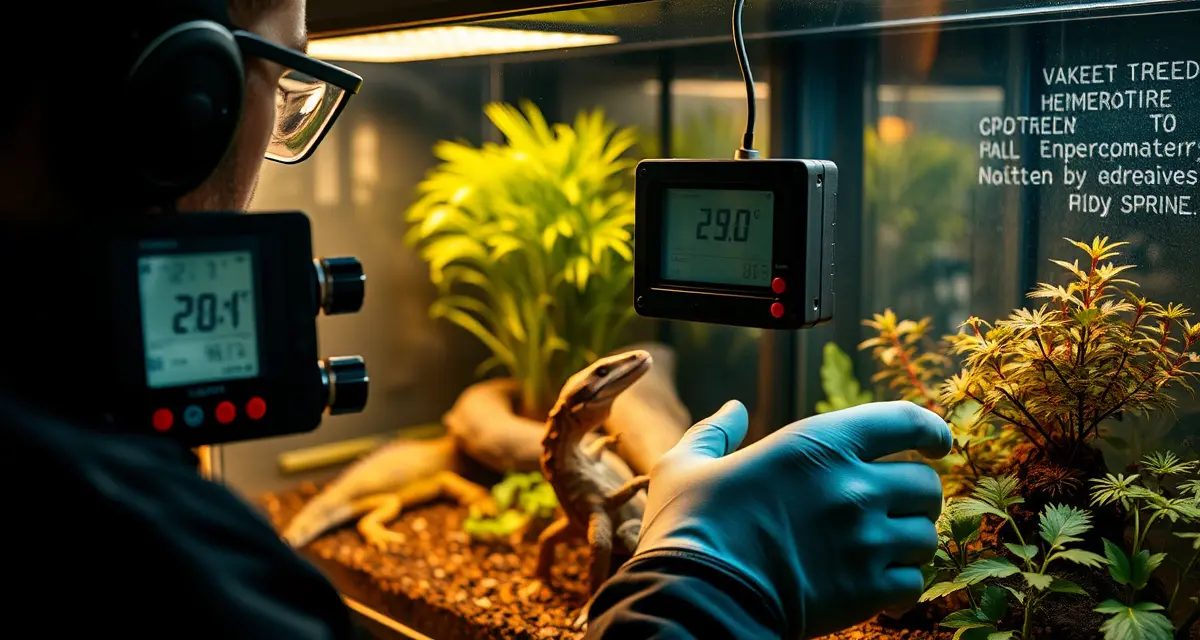
Enclosure Environment Tracking for Reptile Breeders
By HatchLedger Editorial Team · Published 2025-03-18 · Updated Mar 13, 2026
Reptile health is inseparable from enclosure environment. Temperature gradients, humidity levels, lighting schedules, and substrate conditions all influence whether your animals thrive. For breeders managing dozens or hundreds of animals, systematic environment tracking is the only reliable way to catch problems before they become health crises.
Why Environmental Records Matter
Individual animal health records tell you what happened. Environmental records tell you why. A ball python that develops a respiratory infection in December may be connected to a thermostat that drifted during a cold snap. A blood python that stopped feeding in a rack section may correlate with a hot spot caused by a malfunctioning heat tape segment.
Without environmental records, you're working backward from symptoms without evidence. With them, you can identify the environmental trigger and address it systemically rather than just treating individual animals.
What to Track Per Enclosure or Section
For a rack system or a row of enclosures, track:
Temperatures: Hot spot, cool side, and ambient. Pull actual thermometer readings, not just thermostat settings. Log these periodically, at minimum weekly during the breeding season, monthly during maintenance periods.
Humidity: Critical for species with specific humidity requirements. Blood pythons need higher humidity (60-80%) than ball pythons (50-60% typical, higher during shed). Corn snakes and many colubrids do well in drier conditions.
Substrate moisture: For enclosures with bioactive or naturalistic substrates, the moisture level of the substrate itself matters. Measure and record.
Light cycle: For species where photoperiod affects breeding behavior, document when lights are on and off and any seasonal adjustments.
Heating equipment status: Note when heat tape, heat cable, or ceramic heat emitters are replaced, adjusted, or found malfunctioning.
Thermostat Calibration Records
Thermostats are the most critical piece of equipment in a reptile room. They drift over time and fail without warning. Calibration records tell you when a thermostat was last verified accurate and what adjustments were made.
Check thermostat accuracy quarterly by comparing the set point to actual temperature readings with a calibrated probe thermometer or infrared gun. Document the result and any adjustment. A thermostat showing a 3°F discrepancy from its setting doesn't necessarily need replacement, but it does need to be compensated for and tracked.
Seasonal Adjustments
Breeding programs often deliberately modify environmental conditions seasonally. Ball python breeders commonly lower ambient temperatures slightly in fall to stimulate breeding behavior. Blood python breeders in temperate climates may adjust humidity and temperature cycling to mimic seasonal changes.
When you make deliberate environmental changes, document them:
- Date of change
- Parameter changed (temperature, humidity, photoperiod)
- Previous value and new value
- Reason for change
- Animals affected
This creates a record of intentional modifications separate from equipment drift or failures, making it easier to evaluate whether the changes had the intended effect on breeding behavior.
Connecting Environmental Data to Health Records
The value of environment tracking compounds when you cross-reference it with your health event logging. If a cluster of animals in one section of your rack develops respiratory symptoms in February, and your environmental records show that section ran 4°F colder than normal during January due to an ambient temperature drop, you have a plausible causal link.
This kind of pattern recognition requires that both health records and environmental records be maintained and searchable. HatchLedger lets you log enclosure conditions and link them to animal records, so investigating patterns across your collection doesn't require cross-referencing multiple spreadsheets.
Breeding Room Environmental Records
Beyond individual enclosures, track the overall breeding room environment:
- Ambient temperature and humidity
- Ventilation status
- Any pest control events (rodents, insects)
- Deep cleaning dates and products used
- Quarantine area status
For breeders working out of a dedicated room or building, these macro-level records support the enclosure-level records and provide context for any seasonal patterns you observe in your collection's health.
Good environmental tracking is ultimately preventive. Most reptile health problems are environment-related, and most environment-related problems are identifiable and fixable once you're collecting the data.
FAQ
What is Enclosure Environment Tracking for Reptile Breeders?
Enclosure environment tracking is the systematic recording of temperature gradients, humidity levels, lighting schedules, and substrate conditions across your reptile enclosures or rack systems. Rather than relying on memory or spot-checks, breeders log actual thermometer readings and environmental data over time. This creates a historical record that connects animal health outcomes to specific environmental conditions, helping you identify problems like thermostat drift or failing heat tape before they cause widespread health issues.
How much does Enclosure Environment Tracking for Reptile Breeders cost?
Basic enclosure environment tracking can be done for free using spreadsheets or paper logs. Dedicated reptile breeding software like HatchLedger offers structured tracking tools as part of a subscription, typically ranging from free tiers for small collections to paid plans for larger breeding operations. The cost of not tracking—vet bills, lost animals, missed breeding opportunities—far exceeds any software expense for serious breeders managing dozens or hundreds of animals.
How does Enclosure Environment Tracking for Reptile Breeders work?
You record key environmental parameters for each enclosure or rack section on a regular schedule. At minimum, log hot spot, cool side, and ambient temperatures plus humidity readings weekly during breeding season and monthly during maintenance periods. You also note equipment changes, substrate swaps, and any anomalies. Over time, this data lets you correlate environmental shifts with animal behavior changes, feeding refusals, or health incidents, turning reactive problem-solving into proactive management.
What are the benefits of Enclosure Environment Tracking for Reptile Breeders?
Environmental tracking lets you identify the cause of health issues, not just the symptoms. A feeding refusal or respiratory infection often traces back to a specific environmental trigger—a drifting thermostat during a cold snap, a failing heat tape segment, or a humidity drop. Tracking also helps you replicate successful breeding conditions, document husbandry for buyers, catch equipment failures early, and demonstrate professional care standards when selling animals or working with veterinarians.
Who needs Enclosure Environment Tracking for Reptile Breeders?
Any reptile breeder managing more than a handful of animals benefits from structured environment tracking. It becomes essential once you're running rack systems, maintaining multiple species with different requirements, or breeding at scale. Hobbyists with growing collections use it to stay organized. Professional breeders rely on it to protect inventory and maintain consistent conditions. If a single equipment failure could affect dozens of animals simultaneously, you need environmental records to catch and respond quickly.
How long does Enclosure Environment Tracking for Reptile Breeders take?
The time investment is minimal once a system is in place. A weekly environmental check across a rack system typically takes 10–20 minutes depending on collection size. Daily checks for critical parameters like temperature can be done in seconds per enclosure with digital thermometers. Initial setup—labeling enclosures, creating log templates, calibrating equipment—may take a few hours. The ongoing time cost is far smaller than the time spent diagnosing and treating preventable health problems.
What should I look for when choosing Enclosure Environment Tracking for Reptile Breeders?
Look for a system that covers the specific parameters your species require, supports multiple enclosures or rack sections, and makes data entry quick enough that you'll actually do it consistently. Integration with animal health records is a major advantage—it lets you cross-reference environmental data with feeding logs and health events. Whether you use software or spreadsheets, prioritize flexibility to log notes alongside numbers, easy historical review, and the ability to flag equipment changes alongside readings.
Is Enclosure Environment Tracking for Reptile Breeders worth it?
Yes, for any breeder managing animals at scale. The value compounds over time as you build a historical record that reveals patterns invisible in the moment. Catching one thermostat failure early, diagnosing one feeding problem faster, or preventing one respiratory outbreak pays for years of tracking effort. Beyond reactive benefits, consistent environmental records improve breeding success rates, increase buyer confidence, and give you documented proof of professional husbandry—a real competitive advantage in a market where trust matters.