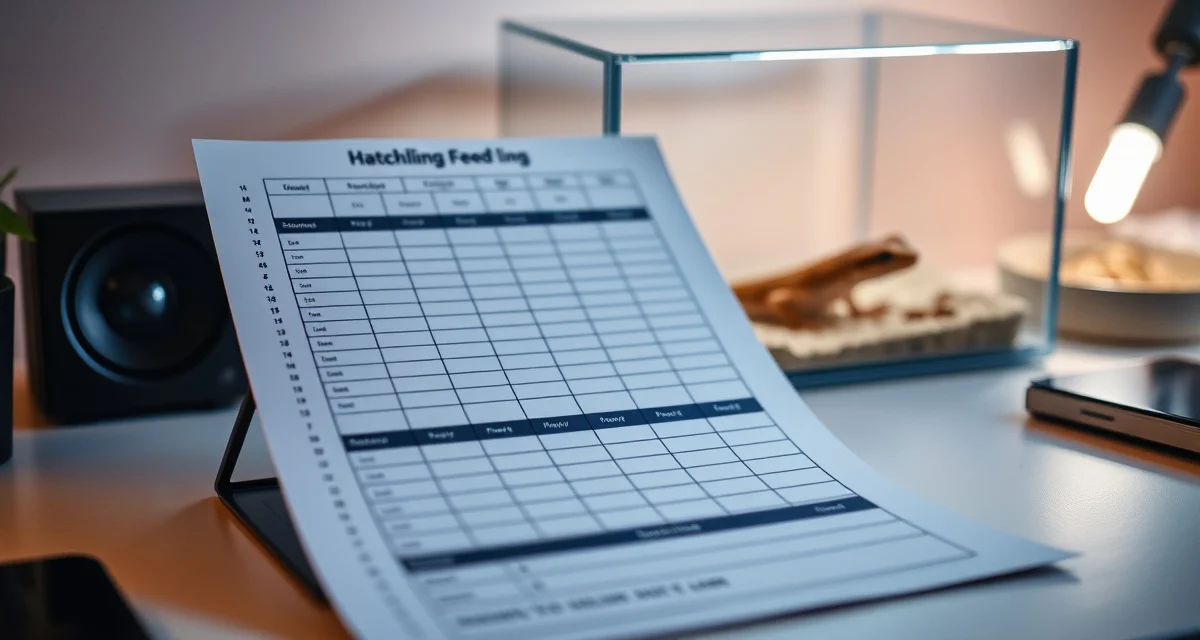
Hatchling Feeding Log Tracking
By HatchLedger Editorial Team · Published 2025-04-21 · Updated Mar 13, 2026
The period from hatch to first meal is one of the most stressful in a reptile breeding program. Hatchlings that won't eat create concern, delay sales, and require extra management time. Systematic feeding log tracking for hatchlings helps you identify problems early, document successful animals for buyers, and refine your approach over multiple seasons.
The Hatchling Feeding Timeline
Ball python hatchlings typically have their first shed within 10-14 days of hatching. Most breeders wait until after the first shed to offer the first meal. The first shed confirms the hatchling has fully absorbed its yolk sac and is ready to begin feeding.
After first shed, offer a properly warmed pinky or fuzzy mouse. Log the date of the offer and the outcome. A hatchling that strikes and constricts on the first offer is a keeper. One that ignores the prey is normal for a first attempt.
Log every feeding attempt regardless of outcome. This is the record that tells you when you need to intervene and what approaches have been tried.
What to Log for Each Hatchling
- Date of first shed (prerequisite for first feeding attempt)
- Date of each feeding attempt
- Prey type and size (pinky, fuzzy, hopper, small mouse)
- Prey preparation (fresh-killed, F/T, scented, brain-perforated)
- Feeding method (left in enclosure, tongs, paper bag, deli cup)
- Outcome (struck and constricted, struck but didn't constrict, ignored, refused and fled)
- Time to consume if you observe it (some breeders note this; it's optional)
Normal vs. Concerning Refusal Patterns
A hatchling that refuses once or twice before accepting is completely normal. Ball pythons in particular are known for initial feeding reluctance. The following are generally within normal range:
- Refusing first 2-3 attempts, then accepting
- Refusing during the shed cycle (many snakes won't feed while in shed)
- One or two refusals after a move or environmental change
The following are worth escalating your intervention approach:
- 4+ consecutive refusals with no strikes or interest
- A hatchling that strikes but doesn't constrict and then loses interest
- A hatchling that has eaten once and then refuses for 3+ consecutive weeks
For stubborn feeders, try: scenting with gerbil or hamster bedding, offering in a paper bag in the dark, switching to live prey for one meal then converting, or trying a different prey species (quail, ASF rats).
Document every technique change and the outcome. This information is useful to the buyer if you sell an animal that needed assistance feeding.
Tracking First-Feeding Milestones
Three consecutive accepted meals is the standard threshold most breeders use before listing a hatchling for sale. Some breeders extend this to five meals for additional confidence. Whatever your standard, track it.
Mark each hatchling in your records when it reaches this milestone. "3-for-3 on F/T medium pinkies" is the note that lets you list with confidence and tell buyers the animal is an established feeder.
For hatchlings that required extensive intervention to start feeding, note the complete feeding history. Buyers who know a ball python started on scented prey and transitioned to unscented F/T after meal 4 are better equipped to continue the feeding program successfully.
Connecting Feeding Logs to Growth Tracking
Hatchling feeding logs connect directly to hatchling weight tracking. Weight gain confirms that feeding is successful, a hatchling that appears to accept prey but doesn't gain weight over several weeks has a problem. Weight without feeding context is less useful than the two together.
HatchLedger links each hatchling's feeding log to its weight records, its clutch record, and its eventual sale record. When a buyer asks whether the ball python they're purchasing is eating, you have a specific answer: five consecutive meals accepted, transitioning from scented to unscented, weighed at 95 grams last week. That level of detail builds buyer confidence and reduces post-sale feeding questions.
FAQ
What is Hatchling Feeding Log Tracking?
Hatchling feeding log tracking is the practice of recording every feeding attempt for each reptile hatchling from first shed through established feeding. Breeders log dates, prey type, prey preparation method, feeding technique, and outcome for every offer. This systematic record-keeping replaces guesswork with data, helping breeders identify which hatchlings are eating consistently, which need intervention, and what methods have already been tried on problem feeders.
How much does Hatchling Feeding Log Tracking cost?
Hatchling feeding log tracking itself is free as a practice — a notebook or spreadsheet costs nothing. Dedicated reptile management platforms like HatchLedger offer structured digital logs with per-animal records, often available through subscription tiers or free trials. The real cost of not tracking is higher: missed feeding refusals, repeated failed interventions, and animals sold without documented feeding history that buyers expect and trust.
How does Hatchling Feeding Log Tracking work?
After a hatchling completes its first shed, you begin logging every feeding attempt. For each offer, record the date, prey type and size, how the prey was prepared, the feeding method used, and whether the hatchling struck, refused, or showed interest. Over time this log reveals patterns — how many attempts it took to establish feeding, which technique worked, and whether the animal has fed consistently enough for sale or transfer.
What are the benefits of Hatchling Feeding Log Tracking?
Systematic logs help you catch feeding refusals early before they become health concerns. You can quickly see if a hatchling has gone three or more attempts without eating and escalate intervention. Logs also provide documented feeding history that buyers value when purchasing animals. Over multiple seasons, aggregate data reveals which clutches establish feeding faster, informing pairing and husbandry decisions that improve your program's overall success rate.
Who needs Hatchling Feeding Log Tracking?
Any reptile breeder producing hatchlings benefits from feeding log tracking. Ball python breeders working with dozens of hatchlings per season especially need it — individual animals are easy to lose track of without records. Newer breeders gain structured guidance on what to monitor. Experienced breeders use logs to prove feeding history to buyers and to compare performance across seasons, clutches, and genetic lines.
How long does Hatchling Feeding Log Tracking take?
Logging itself takes only a minute per feeding attempt. The timeline for establishing a feeding hatchling varies — many ball pythons eat on the first or second offer after first shed, while some take four to six attempts over several weeks. A hatchling that has eaten three to five consecutive meals is generally considered an established feeder. Your log is the authoritative record of how long that process actually took.
What should I look for when choosing Hatchling Feeding Log Tracking?
Look for a system that records individual animals rather than clutches as a whole, since feeding outcomes vary hatchling by hatchling. It should capture attempt date, prey details, preparation method, feeding technique, and outcome. Alerts or visual flags for animals overdue for a feeding attempt are valuable. Integration with weight logs strengthens the picture. Whether paper or digital, consistency of use matters more than the format itself.
Is Hatchling Feeding Log Tracking worth it?
Yes. The hatch-to-first-meal window is where hatchling problems surface, and undocumented interventions waste time and repeat mistakes. A feeding log turns that window into actionable data. Buyers increasingly expect documented feeding history, and animals with clean records sell with more confidence. For breeders running multiple clutches per season, the compounding value of consistent records across seasons makes feeding log tracking one of the highest-return habits in a reptile breeding program.