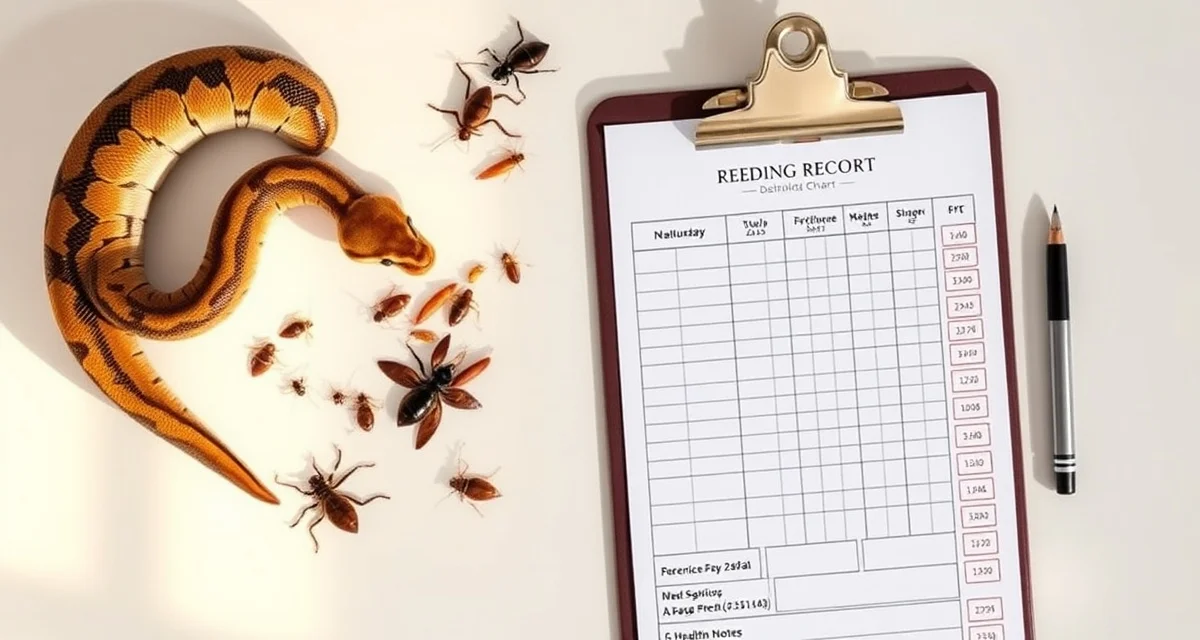
Feeding Record Tracking for Reptile Breeders
By HatchLedger Editorial Team · Published 2025-06-06 · Updated Mar 13, 2026
Feeding records are among the most frequently referenced data in a reptile breeding program. They tell you an animal's current status (eating well, off feed, inconsistent), provide context for health evaluations, and document the nutritional history that underlies everything from weight gain to reproductive success.
The Difference Between a Feeding Log and Feeding Records
A feeding log is the raw data: date, prey, outcome. Feeding records are the organized, accessible version of that data. They include the log but also support analysis: the last date the animal ate, how many consecutive refusals it has had, the trend in prey size over time, and how the feeding pattern compares to the animal's history.
The distinction matters because a log that can't be quickly reviewed and analyzed isn't serving its purpose. If you can't tell at a glance which animals in your collection haven't eaten in the last two weeks, your records aren't working for you.
What Makes a Good Feeding Record
Completeness: Every feeding attempt, not just successful ones. Refused meals are data points.
Specificity: Prey type and size matter. Upgrading from small rats to medium rats because an animal is growing is notable. Downgrading prey size because an animal isn't accepting large prey consistently is also notable.
Accessibility: Records you can pull up during a feeding round without significant friction get used. Records buried in a spreadsheet or notebook in another room often have gaps.
Historical depth: A feeding record that only covers the last month is marginally useful. A feeding record covering 2-3 years shows seasonal patterns, breeding-related fasting cycles, and long-term health trends.
Seasonal Feeding Patterns in Ball Pythons
Ball pythons commonly fast during breeding season, and females often fast through clutch incubation if allowed to coil their eggs. This is normal, documented behavior. Breeders who know their individual animals' patterns can distinguish a breeding-related fast from a health-related refusal.
An example: a breeding female who fasted from November through February last year, then resumed eating immediately after laying, and is now doing the same thing this year is probably just on her normal cycle. A female who fasted in November and is now in March with no signs of ovulation and no return to feeding despite the season ending needs investigation.
This distinction requires historical feeding records that go back at least one full breeding cycle.
Tracking Prey Size Progression
For growing animals, prey size should increase over time as the animal grows. Recording prey size in your feeding records lets you track whether an animal is eating appropriately sized prey for its current weight.
The standard recommendation for most pythons is prey items that create a visible lump but don't distort the body severely. A general guideline is prey weighing approximately 10-15% of the snake's body weight, though this varies by species and individual preference.
If an animal is consistently refusing prey that matches its size but accepting smaller items, that's worth documenting. It may be temporary (stress from a recent move, shedding cycle) or it may indicate something chronic.
Integration With Weight and Health Records
Feeding records gain context from female weight tracking and health event logging. Weight gain or loss over time reflects feeding success. A weight loss trend combined with apparently normal feeding could indicate a health issue like parasites or infection. A weight plateau that coincides with normal feeding may indicate the animal has simply reached its adult size.
For breeding females specifically, weight and feeding records together tell you whether a female is gaining the condition she needs for successful reproduction or losing condition from repeated breeding seasons without adequate recovery.
HatchLedger connects feeding record tracking to animal profiles so every feeding event is recorded against the individual animal and accessible alongside their weight history, health notes, and breeding records. Feeding log management at the collection level and individual animal records at the animal level work together to give you the complete picture.
FAQ
What is Feeding Record Tracking for Reptile Breeders?
Feeding record tracking for reptile breeders is the practice of systematically documenting every feeding attempt for each animal in a collection — including the date, prey type, prey size, and whether the animal accepted or refused. Unlike a simple log, proper feeding records are organized for quick review and analysis, letting breeders identify trends, flag animals that are off feed, and correlate nutritional history with health and reproductive outcomes.
How much does Feeding Record Tracking for Reptile Breeders cost?
Feeding record tracking itself has no inherent cost — breeders have used notebooks and spreadsheets for free for decades. Dedicated software like HatchLedger offers structured, searchable records with minimal subscription cost. The real cost of not tracking is higher: missed refusal patterns, uninformed vet visits, and preventable health issues can cost far more than any record-keeping tool.
How does Feeding Record Tracking for Reptile Breeders work?
For each feeding attempt, you record the date, prey item, prey size, and the outcome — accepted or refused. Over time these entries build a nutritional history for each animal. You can then review recent feeding status at a glance, spot consecutive refusals, track prey size progression as animals grow, and compare current behavior against an animal's established baseline.
What are the benefits of Feeding Record Tracking for Reptile Breeders?
Accurate feeding records help breeders catch health issues early, since a sudden refusal streak is often the first sign something is wrong. They support better breeding decisions by linking feeding consistency to reproductive readiness. They reduce guesswork at vet visits by providing documented history, and they make managing large collections practical — you always know which animals need attention without relying on memory.
Who needs Feeding Record Tracking for Reptile Breeders?
Any reptile breeder maintaining more than a handful of animals benefits from structured feeding records. Hobbyists keeping ball pythons, boas, or colubrids benefit from spotting refusal trends before they become serious. Commercial breeders working with large collections need records to stay organized across hundreds of animals. Anyone breeding reptiles also needs feeding data to contextualize reproductive cycles and clutch outcomes.
How long does Feeding Record Tracking for Reptile Breeders take?
Recording a single feeding attempt takes under a minute. The ongoing time investment is minimal compared to the time saved when you need to quickly assess an animal's status, prepare for a vet visit, or evaluate whether a female is ready to introduce to a male. Setting up an organized system upfront — whether in an app or spreadsheet — is the most time-intensive part.
What should I look for when choosing Feeding Record Tracking for Reptile Breeders?
Look for a system that makes data entry fast so you'll actually use it consistently. It should display each animal's recent feeding history at a glance, not just raw log entries. The ability to flag consecutive refusals, track prey size changes over time, and filter by feeding status across your whole collection are key features. Integration with weight and health records adds significant value.
Is Feeding Record Tracking for Reptile Breeders worth it?
Yes. Feeding records are among the most frequently referenced data in a reptile breeding program. They provide the nutritional context behind weight trends, health evaluations, and reproductive success. Breeders who track feeding consistently catch problems earlier, make more informed decisions, and have documentation that supports better outcomes over time. The habit is low-effort relative to the insight it provides across an entire breeding season.