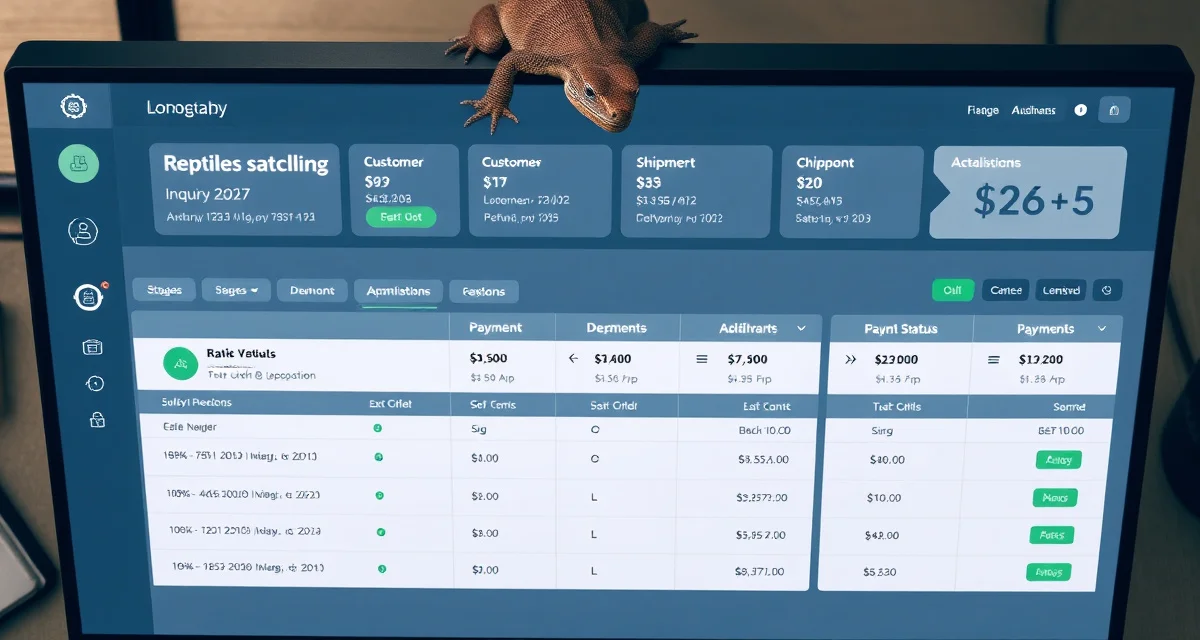
Hatchling Sales Tracking for Reptile Breeders
By HatchLedger Editorial Team · Published 2025-04-08 · Updated Mar 13, 2026
Sales tracking is the operational layer that turns your breeding program into a functioning business. It covers the full lifecycle of a sale: inquiry, hold, deposit, payment, shipment, and post-sale follow-up. Breeders who manage this well close more sales, have fewer disputes, and build the buyer relationships that drive repeat business.
Managing Inquiries
When a buyer asks about an animal, log the inquiry. Note:
- Date of inquiry
- Animal they're asking about
- Platform (MorphMarket message, Instagram, email, etc.)
- What they asked
Most inquiries don't convert to sales immediately. Buyers shop around, compare options, and take time to decide. Following up on serious inquiries that went quiet for a few days is a reasonable practice. Your log tells you who asked about which animal and when, so follow-ups are informed rather than random.
From Inquiry to Hold
When a buyer expresses intent to purchase, confirm what they want, quote shipping costs, and explain your deposit terms. Most breeders require a deposit to hold an animal for more than 48-72 hours.
Update the animal's status in your inventory to "On Hold" with the buyer's name and hold expiration date. This prevents you from selling the animal to someone else during the hold period and keeps your available list accurate.
Deposit Processing
When a deposit is received, immediately:
- Record the amount, date, and payment method
- Confirm with the buyer by message (creates a written record of the agreed terms)
- Update the animal's status to "Deposit Received"
The deposit record should link to the sale record being built for this transaction. Keep deposit amounts, dates, and any special terms (payment plan structure, specific ship date, etc.) documented explicitly.
Balance Payment and Shipping Coordination
When the buyer pays the balance, coordinate shipping. Most live reptile shipments use FedEx Priority Overnight or equivalent. Confirm:
- Destination address (verify it matches your hold on file)
- Whether the destination has any restrictions (see state regulations)
- Weather windows at both origin and destination
- Buyer's availability to receive (someone must be present)
Log the ship date, carrier, tracking number, and box contents. This is your evidence if a transit dispute arises.
Post-Shipment Follow-Up
Follow up after confirmed delivery to verify the animal arrived safely. Most buyers will message you about arrival, but a proactive check-in is good customer service. Note the arrival confirmation date in your sale record.
If there's a DOA claim or health concern after arrival, handle it according to your documented deposit and refund policies. Document the claim, the buyer's evidence, your response, and the resolution.
Sales Velocity and Pricing Analysis
Tracking sales over a full season tells you how quickly different morphs and price points move. If Pastel ball pythons sell within a week at your asking price and Cinnamon ball pythons sit for two months, that's pricing or demand signal worth acting on next season.
Calculate your average time-to-sale for different morphs and price ranges. Compare asking prices to final sale prices. Look at inquiry-to-sale conversion rates by platform.
This analysis connects to your hatchling inventory tracking and your clutch profit-loss tracking to give you the complete picture of what's working in your sales process. HatchLedger tracks every step of the sales pipeline and generates the aggregate data you need for this analysis automatically.
FAQ
What is Hatchling Sales Tracking for Reptile Breeders?
Hatchling sales tracking is the process of recording and managing every stage of an animal sale—from initial buyer inquiry through deposit, payment, shipment, and post-sale follow-up. For reptile breeders, it creates a complete operational record of each transaction, helping you track which animals are available, on hold, or sold. Tools like HatchLedger centralize this data so nothing slips through the cracks as your breeding program grows.
How much does Hatchling Sales Tracking for Reptile Breeders cost?
HatchLedger offers a free tier for hobbyist breeders getting started, with paid plans scaling based on collection size and feature needs. Pricing is designed to fit small-scale and professional breeders alike. Because effective sales tracking directly reduces disputes, missed payments, and lost sales, most breeders recoup the cost quickly through improved conversion rates and fewer administrative headaches. Check HatchLedger's pricing page for current plan details.
How does Hatchling Sales Tracking for Reptile Breeders work?
You log each inquiry as it comes in, noting the buyer, the animal, the platform, and the date. As the sale progresses, you update the record through each stage: hold, deposit received, balance due, paid, and shipped. The system keeps your inventory status accurate in real time—marking animals as on hold or sold—so you never accidentally double-sell and always know where each animal and transaction stands.
What are the benefits of Hatchling Sales Tracking for Reptile Breeders?
The core benefits are fewer lost sales, fewer disputes, and stronger buyer relationships. A complete sales log means you can follow up on serious inquiries, honor hold commitments, and resolve payment questions with documentation. Breeders who track sales systematically close more deals because they respond faster and communicate more clearly. Over time, the data also helps you identify your best sales channels and most profitable pairings.
Who needs Hatchling Sales Tracking for Reptile Breeders?
Any breeder selling hatchlings commercially benefits from structured sales tracking. If you're managing more than a handful of transactions per season, informal notes and memory become unreliable. Breeders using MorphMarket, Instagram, reptile expos, or direct email sales especially benefit, since inquiries arrive from multiple channels simultaneously. Professional breeders, part-time hobbyists scaling up, and anyone who has ever lost track of a deposit or hold will find it essential.
How long does Hatchling Sales Tracking for Reptile Breeders take?
Setup takes minutes—you enter your animals and start logging inquiries as they arrive. There's no lengthy onboarding. Day-to-day, updating a sale record takes under a minute per transaction. The time investment is minimal compared to the time lost chasing down payment confirmations, resolving disputes without records, or manually cross-referencing messages across platforms. Most breeders see workflow improvement within the first week of consistent use.
What should I look for when choosing Hatchling Sales Tracking for Reptile Breeders?
Look for a tool built specifically for reptile breeders, not a generic CRM. It should handle inquiry logging, hold tracking with expiration dates, deposit recording, and inventory status updates in one place. Integration with platforms like MorphMarket is a plus. The interface should be fast enough to use on mobile during expos. HatchLedger is purpose-built for this workflow, which means less configuration and more relevant features out of the box.
Is Hatchling Sales Tracking for Reptile Breeders worth it?
Yes—especially if you're losing track of inquiries, holding animals without documentation, or resolving payment disputes from memory. The cost of one missed sale or one chargeback dispute without records typically exceeds a year of software fees. Beyond dispute protection, breeders report closing more sales simply because they follow up consistently. If you treat breeding as a business, structured sales tracking is a foundational tool, not an optional upgrade.