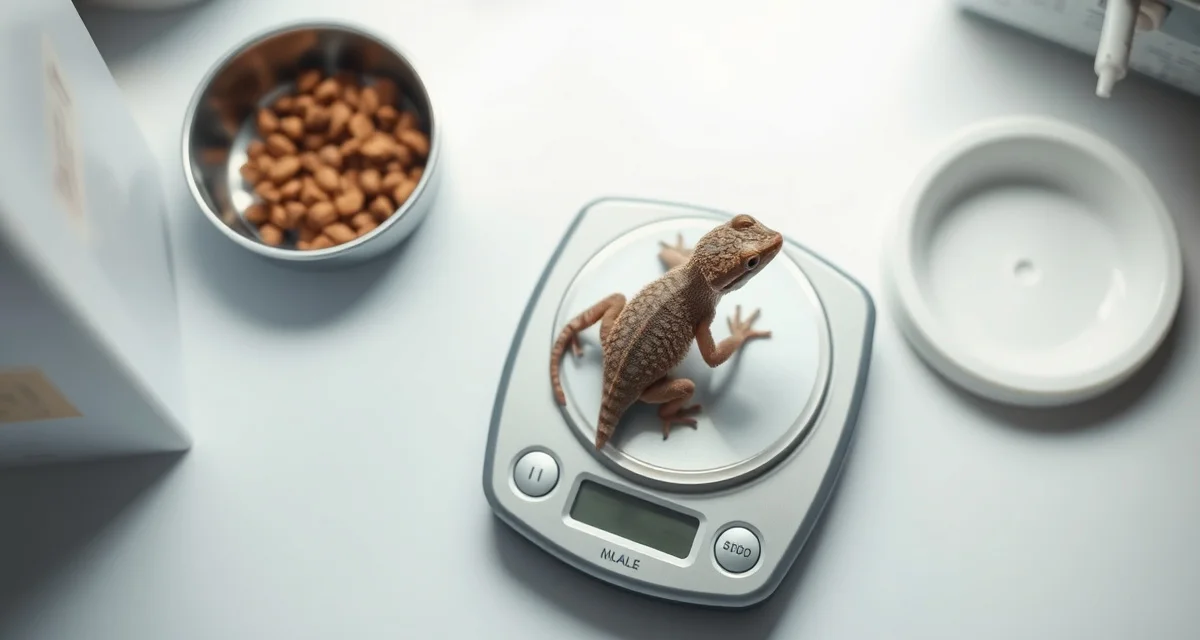
Hatchling Weight and Feeding Log: Integrated Tracking
By HatchLedger Editorial Team · Published 2025-03-21 · Updated Mar 13, 2026
Weight and feeding data are the two most important metrics for a reptile hatchling during grow-out. They work together: feeding records explain weight trends, and weight trends validate whether feeding is nutritionally effective. Maintaining them separately and never cross-referencing them leaves analysis incomplete.
Why Integrate Weight and Feeding
Consider two hatchlings at the same age:
- Hatchling A: 8 consecutive accepted meals, weighs 115g
- Hatchling B: 8 consecutive accepted meals, weighs 78g
Both have identical feeding records. But Hatchling B is significantly underweight for its feeding frequency. This suggests it might be regurgitating unobserved, has a health issue affecting nutrient absorption, or is being offered undersized prey.
You only see this discrepancy when weight and feeding data are reviewed together.
The Integration Method
The simplest approach: a single combined log that includes both weight measurements and feeding events in chronological order. Each entry is either a weight measurement or a feeding event, with date and relevant details.
Example sequence for a ball python hatchling:
- Day 0 (hatch): 70g, morph Pastel
- Day 12: First shed observed
- Day 14: Feeding attempt 1, rat pup F/T, ate
- Day 14: 68g (weighed same day as first feeding)
- Day 21: Feeding attempt 2, rat pup F/T, ate
- Day 28: Feeding attempt 3, rat pup F/T, ate; 80g
- Day 28: Established feeder, 3 consecutive F/T meals
- Day 35: Feeding attempt 4, small rat F/T, refused
- Day 42: Feeding attempt 5, rat pup F/T, ate; 88g
This combined log shows the feeding history and weight progression simultaneously. The refusal on Day 35 after a prey size increase is explained in context. The weight trend confirms healthy growth despite the one refusal.
Weight Measurement Timing
Weigh hatchlings consistently in relation to feeding events for comparable data. Options:
Pre-feeding weight: Weigh before offering prey. Reflects true body mass without food weight. This is the most useful metric for tracking body condition.
48-72 hours post-feeding weight: If you weigh after the animal has had time to digest the prey item fully, the weight reflects the animal plus recent assimilation. This works but requires consistent timing.
Choose one approach and use it consistently throughout the hatchling's grow-out period. Do not mix pre-feeding and post-feeding weights in the same record.
Growth Rate Benchmarks
Healthy ball python hatchlings gain approximately:
- 10-20g per week in the first month of feeding
- 15-25g per week through the second and third months
- Individual variation is significant; these are averages
A hatchling gaining less than 8g per week consistently despite regular feeding should be evaluated. A hatchling gaining 30g+ per week is doing exceptionally well.
Selling with Combined Documentation
When a buyer receives an animal, providing both the feeding log and weight history gives them complete information about the animal's trajectory. A buyer who knows:
- The animal weighed 70g at hatch
- Has had 6 consecutive meals accepted
- Currently weighs 105g
...can evaluate whether that growth rate is appropriate for the age and can monitor continued growth against the baseline you established.
HatchLedger maintains feeding and weight records per animal in a unified profile, so the combined view is automatic rather than requiring manual cross-referencing.
Related content: Hatchling Weight Tracking | Hatchling Feeding Log Tracking | Hatchling Grow-Out Tracking
Related Articles
FAQ
What is Hatchling Weight and Feeding Log: Integrated Tracking?
Hatchling Weight and Feeding Log: Integrated Tracking is a record-keeping method that combines weight measurements and feeding events into a single chronological log for reptile hatchlings. Rather than maintaining separate logs, each entry captures either a weight reading or a feeding attempt alongside date and relevant details. This unified approach lets breeders cross-reference feeding frequency with growth trends, revealing health or husbandry issues that isolated records would miss.
How much does Hatchling Weight and Feeding Log: Integrated Tracking cost?
Integrated tracking itself costs nothing — it's a method, not a product. A basic paper log or spreadsheet is free. Digital tools like HatchLedger offer structured tracking with built-in analysis features, available at various price points. The real value is in the time saved spotting problems early, potentially avoiding costly vet bills or lost animals from undetected issues like regurgitation or poor nutrient absorption.
How does Hatchling Weight and Feeding Log: Integrated Tracking work?
You record each hatchling event — weight measurement or feeding attempt — in date order in a single log. Each entry notes the date, event type, and relevant detail (weight in grams, prey type, accepted or refused). Reviewing the log together lets you see whether weight gain aligns with feeding frequency. Discrepancies flag potential problems: a hatchling eating consistently but gaining poorly may be regurgitating or has an absorption issue.
What are the benefits of Hatchling Weight and Feeding Log: Integrated Tracking?
The primary benefit is early problem detection. Two hatchlings with identical feeding records can have very different weight trajectories — a gap only visible when both data sets are reviewed together. Integrated tracking also simplifies record review, reduces the chance of missed entries, and builds a complete growth history useful for breeding decisions, buyer documentation, and identifying which feeding schedules produce the best growth outcomes.
Who needs Hatchling Weight and Feeding Log: Integrated Tracking?
Reptile breeders and keepers raising hatchlings benefit most, particularly those working with ball pythons, colubrids, or other species where consistent early feeding is critical. Anyone managing multiple hatchlings from a clutch needs integrated tracking to compare siblings objectively. It's equally valuable for hobbyists raising a single hatchling, since growth pattern data becomes essential if a health issue arises and veterinary input is needed.
How long does Hatchling Weight and Feeding Log: Integrated Tracking take?
Setting up the log takes minutes. Maintaining it requires roughly 30 to 60 seconds per entry — just a date, weight or feeding detail, and outcome. The ongoing time commitment is minimal compared to the analytical value. Reviewing the full log for a hatchling through its first year of growth typically takes under five minutes and gives a clear picture of development trajectory and feeding consistency.
What should I look for when choosing Hatchling Weight and Feeding Log: Integrated Tracking?
Look for a system that keeps weight and feeding data in the same view rather than separate tabs or apps. It should be easy to enter data quickly at feeding time. Date-stamped entries, prey size fields, and accepted/refused tracking are essential. For breeders managing multiple animals, filtering by individual hatchling and sorting chronologically matters. Export capability is useful for sharing records with buyers or vets.
Is Hatchling Weight and Feeding Log: Integrated Tracking worth it?
Yes. The cost is minimal — a few minutes per feeding session — and the benefit is a complete, cross-referenced growth record for every hatchling. Catching a regurgitation pattern or absorption issue early can mean the difference between a healthy, sellable animal and a significant loss. For serious breeders, integrated records also add credibility with buyers and provide the data foundation needed to improve breeding and feeding programs over time.
Sources
- Ball Python Breeders Association grow-out documentation
- World of Ball Pythons hatchling care guides
- Association of Reptilian and Amphibian Veterinarians (ARAV)