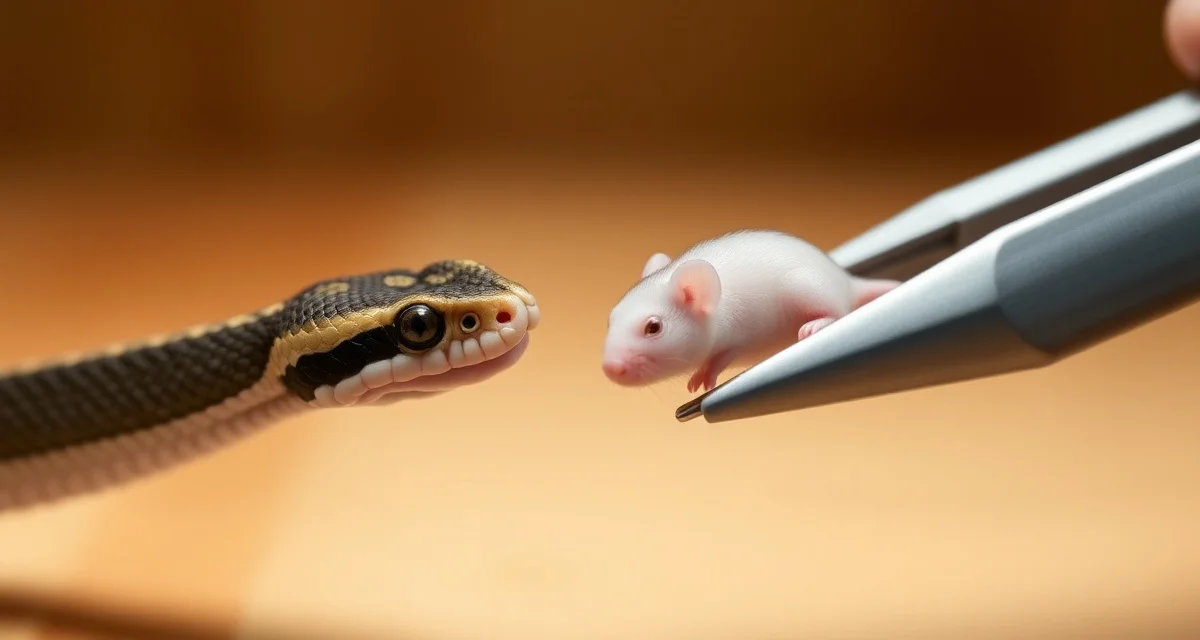
Hognose Snake Feeding Hatchlings: Complete Breeder Guide
By HatchLedger Editorial Team · Published 2025-06-07 · Updated Mar 13, 2026
Hognose snake feeding hatchlings is one of the most demanding tasks in North American colubrid breeding. Western hognose hatchlings (Heterodon nasicus) are well-known for reluctance or outright refusal to accept standard frozen-thawed rodents, and a significant proportion of hatchlings require extended escalation protocols before establishing reliable feeding. This isn't a sign of unhealthy animals; it's a species characteristic that good breeders plan for. Breeders using integrated software report 30% less time on administrative tasks, and the per-animal feeding log management that hognose hatchlings demand makes that efficiency directly relevant to your operation.
TL;DR
- Western hognose snakes (Heterodon nasicus) require 60-90 days of seasonal cycling at 50-60 degrees Fahrenheit for reliable breeding success.
- Females that skip cooling often fail to ovulate or produce infertile clutches, making brumation near-mandatory rather than optional.
- Clutch sizes average 8-18 eggs, with adult females commonly producing two clutches per season when managed well.
- Incubation runs 55-65 days at 82-84 degrees Fahrenheit with moderate humidity around 80-85%.
- Western hognose morphs include albino, axanthic, toffee, coral, and several combination lines with active development continuing.
Why Western Hognose Hatchlings Are Different
Western hognose snakes are naturally adapted to prey on lizards, amphibians, small rodents, and occasionally invertebrates. Hatchlings often show strong prey preferences for non-rodent items, particularly toads and frogs, before they'll reliably accept rodent prey. This biological reality means feeding hatchlings isn't just about offering the right-sized pinky; it's about matching the sensory triggers that activate their prey response.
Understanding this upfront changes how you approach your hatchling setup. Rather than expecting most hatchlings to eat immediately and treating refusers as outliers, plan for a significant portion of your clutch to require scenting and technique escalation before feeding establishes.
The Feeding Timeline
Post-Hatch Through First Shed
Don't offer food until after the first shed. Most western hognose hatchlings shed 7 to 14 days after emerging. Wait 2 to 3 days after the shed before your first offering. Hatchlings in blue or in pre-shed aren't interested in feeding and shouldn't be disturbed unnecessarily.
During this period, maintain housing at appropriate temperatures: warm side at 85 to 88°F with a clear gradient, small hide provided. Correct thermal environment is a prerequisite for feeding interest.
First Feeding Attempt
Offer a warmed, appropriately sized frozen-thawed pinky. For most western hognose hatchlings, a small pinky is right. The prey item should be no wider than the widest part of the hatchling's body.
Warm thoroughly: frozen-thawed items offered cold or lukewarm are frequently refused even by otherwise willing feeders. A warming box or a brief soak in warm water brings prey to an attractive temperature.
Some western hognose hatchlings eat immediately on the first offer. Log the attempt and outcome regardless of success. Your records start here.
Escalation Protocol for Reluctant Feeders
Step 1: Toad or Frog Scenting
If a hatchling refuses standard frozen-thawed prey once or twice, move immediately to toad or frog scenting. This is the single most effective technique for reluctant western hognose hatchlings and should be your first escalation rather than a last resort.
Rub a live toad or frog over a frozen-thawed pinky before offering. The amphibian scent activates prey detection responses that standard rodent prey doesn't trigger. Many western hognose hatchlings that refuse plain pinkies for weeks will strike immediately at a toad-scented pinky on the first offer.
Keep a toad or appropriate frog species in your hatchling room specifically for this purpose during hatching season.
Step 2: Fish Scenting
If toad scenting doesn't produce results, try fish scent. Tilapia, tuna packed in water, and similar fish can be used to scent pinkies. Rub the fish item on the pinky or dip briefly in tuna water before offering.
Log which scents you've tried and the response to each. This matters because different individuals respond to different scents, and tracking this prevents you from repeatedly trying techniques that have already been confirmed ineffective for a particular animal.
Step 3: Lizard Scenting
Rub the pinky on a live gecko or anole before offering. Lizard scent triggers prey responses in some hatchlings that amphibian scent doesn't. This is more effective in some bloodlines than others.
Step 4: Braining
Make a small nick in the skull of a frozen-thawed pinky to expose brain matter. The additional scent and moisture cues often trigger striking from hatchlings that won't respond to surface scenting alone. This technique works by intensifying the chemical cues already present in the prey item.
Step 5: Paper Bag Method
Place the hatchling and a scented, warmed pinky together in a small paper bag. Fold the top closed and leave undisturbed for 1 to 3 hours. The enclosed space concentrates the prey scent and removes visual distraction. Many persistent refusers strike in this environment when they won't engage in an open space.
Step 6: Live Prey
For hatchlings that have been through the full scenting and paper bag protocol without success over 4 to 6 weeks, offer a live pink mouse or live frog legs from a reptile supplier. Live prey activates prey-detection responses through movement that frozen-thawed prey can't replicate.
Use this as a penultimate step before assist feeding, not a first response to refusal.
Log every attempt in HatchLedger's reptile breeder hub with the technique used, prey type, and outcome. Your escalation log for each individual hatchling is an asset: it documents your due diligence to buyers and helps you identify which techniques work in your specific bloodlines over time.
Tracking and Selling Standards
Don't sell western hognose hatchlings until they have a documented feeding history. Three to five consecutive successful meals on frozen-thawed prey, with technique documented, gives buyers what they need to maintain feeding.
A hatchling that eats only toad-scented prey is a different animal to disclose than one eating plain frozen-thawed. Document accurately and communicate clearly. Buyers who receive honest feeding histories trust you as a source and return for future purchases.
Reptile breeder software comparison tools that track per-animal feeding history and connect it to sale records are especially valuable in western hognose programs precisely because the feeding histories are complex and buyer-relevant.
Frequently Asked Questions
What is the best approach to hognose snake feeding hatchlings?
Have a complete escalation protocol ready before any clutch hatches. Start with plain frozen-thawed prey after the first shed. Move quickly to toad or frog scenting for any refuser rather than repeating plain prey offers. Log every attempt with technique and outcome. Don't sell hatchlings without documented feeding history. Keep a live toad or frog available during hatching season specifically for scenting. Most western hognose hatchlings establish feeding within the standard escalation protocol if you're patient and methodical.
How do professional breeders handle hognose snake feeding hatchlings?
Professional western hognose breeders treat feeding escalation as a planned part of their production process, not an unexpected problem. They stock toad-scenting supplies before clutches hatch. They log every feeding attempt for every hatchling individually. They don't sell animals until feeding is established and documented. Over multiple seasons, their per-animal records tell them which techniques work best in their specific bloodlines, allowing them to reach established feeding faster in subsequent years.
What software helps manage hognose snake feeding hatchlings?
HatchLedger logs cooling start and end dates, temperature records, post-cooling feeding resumption, and all pairing sessions for each hognose breeding animal. These records connect to clutch outcomes when females lay, allowing you to compare your seasonal protocol to breeding results across multiple seasons. Free for up to 20 animals.
Can western hognose snakes double-clutch?
Yes, double-clutching is common and reliable in well-conditioned western hognose females. The first clutch is typically laid in April or May, and if the female feeds aggressively through June, a second clutch often follows in July or August. Tracking body condition through the season tells you whether a female is ready for a second clutch.
Why do some hognose females play dead during introductions?
Death-feigning (thanatosis) is a well-known hognose defensive behavior and can occur during breeding introductions. Most females habituate to handling over time and reduce this response. Experienced males are generally persistent through the female's initial responses. Keeping introduction sessions calm and minimally disturbing helps.
What is Hognose Snake Feeding Hatchlings: Complete Breeder Guide?
This guide is a comprehensive resource for reptile breeders tackling one of the most challenging aspects of Western hognose snake husbandry: getting hatchlings to eat reliably. It covers brumation protocols, clutch management, incubation parameters, and step-by-step feeding escalation strategies for Heterodon nasicus hatchlings. Whether you're a first-time hognose breeder or scaling an established operation, the guide addresses the species-specific feeding refusal tendencies that catch many breeders off guard.
How much does Hognose Snake Feeding Hatchlings: Complete Breeder Guide cost?
The guide itself is free editorial content published on HatchLedger. There is no purchase required to access the feeding protocols, troubleshooting steps, or husbandry recommendations outlined in the article. HatchLedger does offer breeding management software that complements the guide by automating feeding logs and tracking per-animal records, which is particularly valuable given the intensive documentation hognose hatchlings require.
How does Hognose Snake Feeding Hatchlings: Complete Breeder Guide work?
The guide walks breeders through the full hognose hatchling feeding process: starting with appropriate prey sizing, introducing scent-transfer techniques, and escalating through assist-feeding or live prey if needed. It explains why hognose hatchlings refuse food more often than other colubrids and provides a structured protocol to establish reliable frozen-thawed feeding. Seasonal cycling context is included so breeders understand how brumation affects early feeding behavior post-hatch.
What are the benefits of Hognose Snake Feeding Hatchlings: Complete Breeder Guide?
The primary benefit is reducing uncertainty during the most stressful phase of hognose breeding. Breeders gain a repeatable framework rather than guessing when a hatchling's refusal becomes a problem requiring intervention. Secondary benefits include better record-keeping habits, reduced animal losses from missed feeding windows, and confidence managing a species known for feeding difficulty. Breeders using structured logging software alongside the guide report saving roughly 30% of administrative time per season.
Who needs Hognose Snake Feeding Hatchlings: Complete Breeder Guide?
This guide is aimed at reptile breeders working with Western hognose snakes, particularly those managing multiple hatchlings from one or more clutches per season. It is relevant to hobbyist breeders producing their first clutch, intermediate breeders expanding morph lines, and commercial operations tracking feeding across large cohorts. Anyone who has struggled with hognose hatchling feeding refusal or wants to build a more systematic approach to early-life husbandry will benefit directly.
How long does Hognose Snake Feeding Hatchlings: Complete Breeder Guide take?
Establishing reliable feeding in Western hognose hatchlings typically takes several weeks to a few months. Most hatchlings that will accept frozen-thawed prey do so within the first 3-6 feeding attempts, but a meaningful percentage require 4-8 weeks of escalation protocols. In stubborn cases, full establishment can take 2-3 months. The guide recommends building that timeline expectation into your season planning so feeding delays do not create unnecessary alarm or cause premature intervention.
Related Articles
- Burmese Python Feeding Hatchlings: Complete Breeder Guide
- Carpet Python Feeding Hatchlings: Complete Breeder Guide
Sources
- USARK (United States Association of Reptile Keepers)
- Association of Reptilian and Amphibian Veterinarians (ARAV)
- Society for the Study of Amphibians and Reptiles (SSAR)
- Herpetological Review
- Great Plains Wildlife Management
Get Started with HatchLedger
Western hognose breeding with multiple morphs and double-clutching females benefits from connected records that link cooling dates, pairing introductions, and per-clutch outcomes. HatchLedger tracks all of it and lets you compare seasonal protocols against results over multiple years. Free for up to 20 animals.