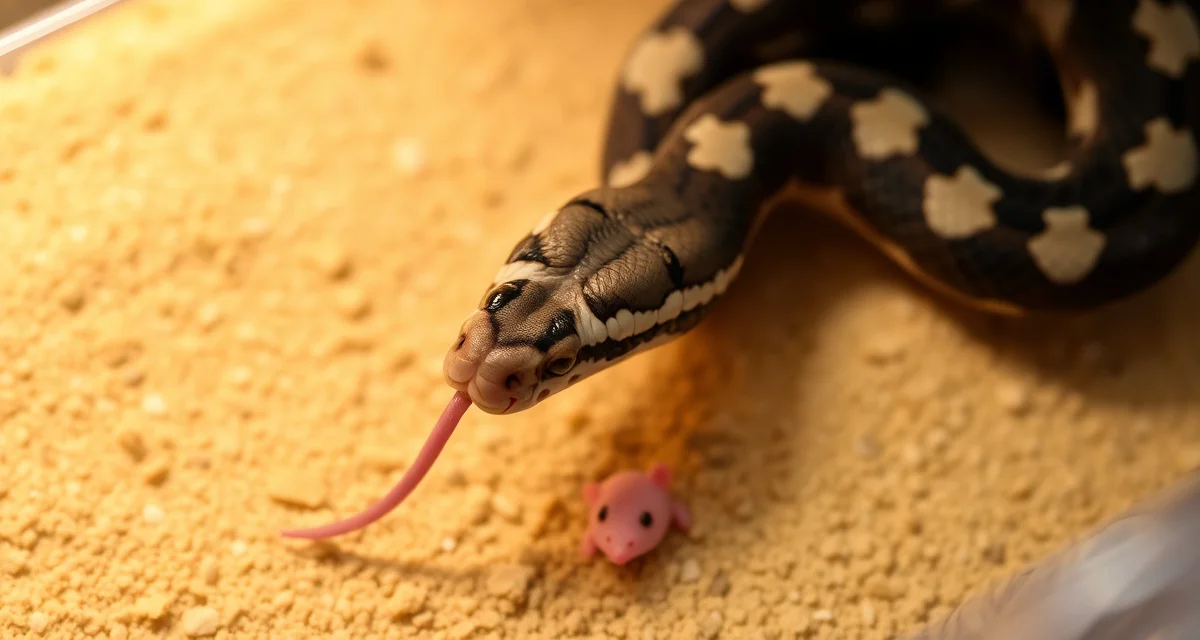
Milk Snake Feeding Hatchlings: Complete Breeder Guide
By HatchLedger Editorial Team · Published 2025-07-11 · Updated Mar 13, 2026
Milk snake hatchling feeding is straightforward compared to many specialty species. Most milk snake hatchlings are reliable first feeders after their initial shed, and the small percentage that refuse typically respond within a few escalation steps. The real challenge isn't individual technique; it's managing feeding records for large cohorts of hatchlings in a way that's accurate, efficient, and useful for both your management decisions and your sale documentation. Breeders using integrated software report 30% less time on administrative tasks, and consistent feeding log management is where that efficiency shows most clearly at peak hatchling season.
TL;DR
- Milk snakes span dozens of recognized subspecies of Lampropeltis triangulum and related species, each with distinct care and breeding requirements.
- Most milk snake subspecies require 60-90 days of seasonal cycling at 50-55 degrees Fahrenheit for reliable breeding.
- Clutch sizes range from 4-18 eggs depending on subspecies, with Honduran milk snakes averaging toward the larger end.
- Incubation runs 55-70 days at 78-82 degrees Fahrenheit with moderate humidity.
- Honduran milk snakes have an active morph program with albino, hypo, and tri-color tangerine lines among the established variants.
Timing Your First Feeding Attempt
Wait for the first shed before any feeding attempt. Milk snake hatchlings typically shed within 7 to 14 days of hatching. Attempting to feed before this shed almost always results in refusal. After the shed, wait 2 to 3 days, then begin the first offering.
Log hatch date and first shed date at the time they occur. Your feeding window opens immediately after these dates are recorded.
Standard Feeding Technique
Offer appropriately sized frozen-thawed pinkies warmed to 98-105°F. Prey should approximate the widest diameter of the hatchling's mid-body. Too large and the animal may strike but not swallow; appropriately sized prey leads to clean feeding responses.
Present via feeding tongs with gentle movement near the hatchling's head, or use the leave-in method: place the warmed pinky in the enclosure and leave for 1 to 2 hours before removing it.
Most milk snake hatchlings respond readily. A feeding attempt that produces a strike and immediate swallowing is a good outcome. Log it.
Problem Feeder Escalation
If a hatchling refuses on first attempt, try the same method again in 5 to 7 days. A single refusal is rarely meaningful.
If a hatchling refuses twice with standard frozen-thawed prey:
Freshly killed prey: Warmer, different scent profile than frozen-thawed. Often effective for initial reluctant feeders.
Prey scenting: Rub a pinky with a frog, toad, or gecko before offering. Milk snakes naturally eat amphibians and lizards in the wild, and this scent can trigger otherwise reluctant hatchlings.
Paper bag method: Place hatchling and a warmed pinky in a small paper bag, fold the top, and leave undisturbed for 1 to 3 hours. The enclosed space removes visual distraction and often triggers feeding responses in shy animals.
Live prey: For persistent refusers, a small live pinky's movement and warmth can trigger the prey detection response that frozen-thawed doesn't activate.
Log every attempt with technique and outcome in HatchLedger's reptile breeder hub. Your records tell you where each animal is in the escalation sequence without relying on memory across dozens of individuals.
Sale Documentation
Buyers want to know that an animal is eating before they commit to a purchase. "Eating frozen-thawed pinkies, 4 consecutive meals, most recent [date]" is the documentation standard that sophisticated buyers expect.
This documentation requires accurate records. A feeding history that shows "4 consistent meals" means your logs actually contain 4 dated feeding events with successful outcomes. Claims without records aren't documentation; they're assertions that buyers can't verify.
Reptile breeder software comparison resources consistently find that breeding programs with documented feeding histories sell animals faster and at higher prices than programs without, because buyers price in the risk of purchasing an unestablished feeder.
Frequently Asked Questions
What is the best approach to milk snake feeding hatchlings?
Wait for the first shed, then offer warmed frozen-thawed pinkies via tongs or leave-in method. Log every attempt with outcome. For refusers, escalate through freshly killed, scented prey, paper bag method, and live in sequence based on documented attempts. Establish feeding with 3 to 5 consecutive meals before selling. Provide documented feeding history to every buyer. Most milk snake hatchlings are cooperative; the few that aren't typically respond within the standard escalation protocol.
How do professional breeders handle milk snake feeding hatchlings?
Professional milk snake breeders follow a documented feeding schedule from each hatchling's first shed. They log every attempt and escalate for refusers based on what's been tried and documented. They don't sell hatchlings until feeding is established. They provide complete feeding histories to buyers. For large cohorts, they use a system that makes individual animal records accessible without having to sort through combined spreadsheets or notebooks.
What software helps manage milk snake feeding hatchlings?
HatchLedger is purpose-built for reptile breeders, connecting animal records, breeding history, clutch outcomes, and financial tracking in one system. Unlike generic spreadsheets, it's designed around the specific workflow of an active breeding season. Free for up to 20 animals.
What is the most commonly bred milk snake subspecies?
Honduran milk snakes (L. t. hondurensis) are the most widely bred milk snake subspecies due to their larger size, active morph development, and established keeper base. Nelson's milk snakes and Sinaloan milk snakes are also commonly bred. Scarlet kingsnakes have a smaller but dedicated keeper community.
How do you tell apart milk snake subspecies?
Subspecies identification relies on coloration pattern (band count and width), scale counts, and geographic origin. For captive-bred animals, documentation from the original breeder is the most reliable source. Hybridization between subspecies does occur and reduces the value and documentation reliability of offspring.
What is Milk Snake Feeding Hatchlings: Complete Breeder Guide?
This is a comprehensive breeder's guide covering every aspect of feeding milk snake hatchlings, from timing the first feeding attempt after the initial shed to managing records for large cohorts. It addresses subspecies-specific considerations across the dozens of recognized Lampropeltis triangulum variants, troubleshooting refusal feeders, and scaling administrative workflows during peak hatchling season. The guide is designed for both hobbyist breeders and commercial operations producing multiple clutches of 4-18 eggs per season.
How much does Milk Snake Feeding Hatchlings: Complete Breeder Guide cost?
The guide is free editorial content published on HatchLedger. There is no purchase required to access the feeding protocols, troubleshooting steps, or record-keeping frameworks described. HatchLedger does offer integrated breeding management software that breeders can use to implement the logging practices covered in the article, with subscription options available separately. The core husbandry information is accessible to any breeder visiting the site.
How does Milk Snake Feeding Hatchlings: Complete Breeder Guide work?
The guide walks breeders through a structured process: waiting for the post-hatch shed before the first feeding attempt, offering appropriately sized frozen-thawed pink mice, escalating through scenting and assist-feeding techniques for refusal feeders, and documenting each feeding outcome. It also covers how to organize records across large hatchling cohorts so feeding history is available for both management decisions and buyer documentation at time of sale.
What are the benefits of Milk Snake Feeding Hatchlings: Complete Breeder Guide?
The primary benefits are reduced feeding refusal rates through proper timing and technique, faster resolution when individual hatchlings do refuse, and significantly more efficient record management during high-volume hatchling seasons. Breeders using structured logging report approximately 30% less time on administrative tasks. Accurate feeding records also add tangible value at point of sale, giving buyers documented feeding histories that support buyer confidence and reduce post-sale support inquiries.
Who needs Milk Snake Feeding Hatchlings: Complete Breeder Guide?
This guide is aimed at milk snake breeders managing hatchling cohorts, particularly those working with multiple clutches or subspecies simultaneously. It is most relevant to breeders producing Honduran, Sinaloan, Nelson's, or other commonly bred milk snake subspecies who need reliable feeding protocols and scalable record-keeping. Newer breeders learning hatchling management and experienced breeders looking to systematize their operations during peak season will both find practical value in the material.
How long does Milk Snake Feeding Hatchlings: Complete Breeder Guide take?
The active feeding management phase covered in this guide spans roughly 8-12 weeks per cohort. Milk snake hatchlings typically complete their initial shed within 7-10 days post-hatch, at which point first feeding attempts begin. Most hatchlings establish reliable feeding within 2-4 weeks. For the small percentage of refusal feeders, the escalation steps described may extend the timeline by an additional 2-4 weeks before the hatchling is considered fully established and ready for sale documentation.
Related Articles
- Burmese Python Feeding Hatchlings: Complete Breeder Guide
- Carpet Python Feeding Hatchlings: Complete Breeder Guide
Sources
- USARK (United States Association of Reptile Keepers)
- Association of Reptilian and Amphibian Veterinarians (ARAV)
- Herpetologica (Herpetologists League)
- Society for the Study of Amphibians and Reptiles (SSAR)
- Reptiles Magazine (Bowtie Inc.)
Get Started with HatchLedger
Milk snake breeders working across subspecies and morph lines benefit from records that track lineage clearly and connect cooling protocols to seasonal clutch outcomes. HatchLedger keeps this information organized and searchable across your entire collection. Free for up to 20 animals.