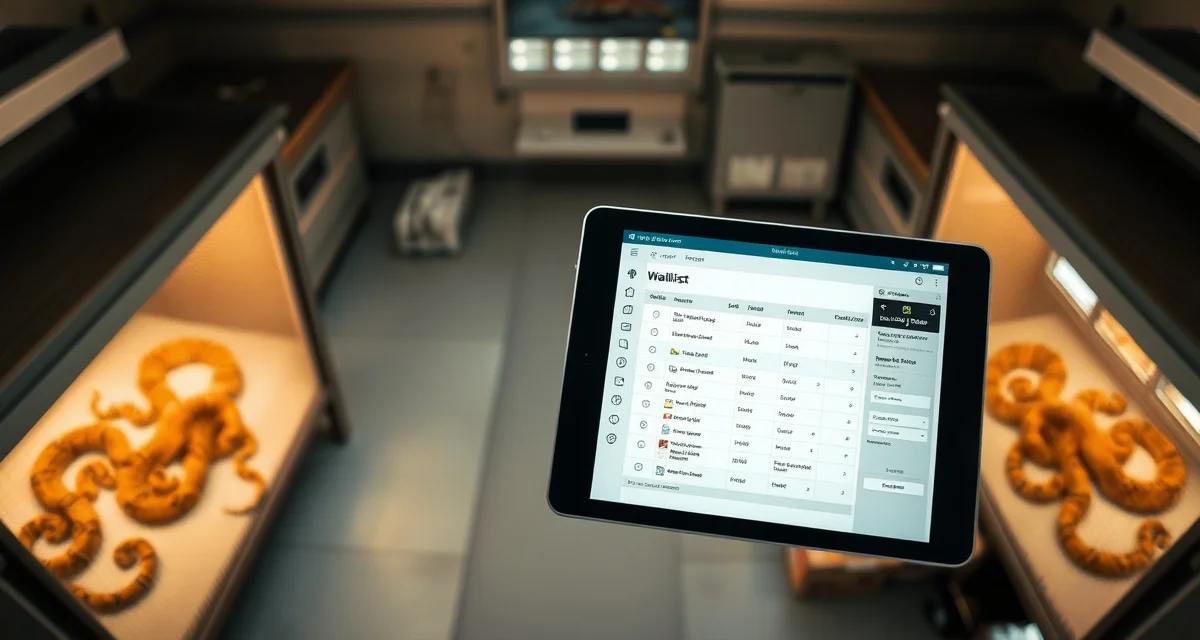
Kingsnake Buyer Waitlist Management: Complete Breeder Guide
By HatchLedger Editorial Team · Published 2025-06-19 · Updated Mar 13, 2026
Kingsnake buyer waitlist management becomes relevant when your program has established a reputation worth waiting for. Whether you're producing highly sought MBKs from verified locality lines or rare California kingsnake morph combinations, organized waitlist management turns buyer demand into pre-committed revenue and long-term relationships. Breeders using integrated software report 30% less time on administrative tasks, and waitlist management is one area where organized systems pay dividends in both buyer satisfaction and reduced administrative friction.
TL;DR
- Kingsnakes and milksnakes span the genus Lampropeltis, with numerous species and subspecies each having distinct cycling requirements.
- Most kingsnake species require 90-120 days of brumation at 45-55 degrees Fahrenheit for consistent breeding.
- Clutch size datas average 8-20 eggs depending on species, with California kingsnakes commonly producing 6-12 eggs.
- Incubation runs 55-75 days at 78-82 degrees Fahrenheit, similar to corn snakes.
- Kingsnake morph genetics overview include albino, anerythristic, and hypo lines plus combination morphs with active development in California kingsnakes, gray-banded kingsnakes, and Mexican black kingsnakes.
Who Needs a Waitlist
Not every kingsnake breeder needs a formal waitlist. If you're producing common morphs in a competitive market, buyers have easy alternatives and may not commit to deposits. Waitlists make the most sense when:
- You produce specific morphs or locality animals in limited numbers
- You've established a reputation for quality that buyers specifically seek out
- Demand reliably exceeds your production capacity
If you're finding that your animals consistently sell quickly once available, a waitlist with deposits captures that demand before the season and provides financial predictability.
Building Your Waitlist System
Information to Collect
For every waitlisted buyer:
- Full name and preferred contact method
- Specific request (subspecies, morph, sex preference, feeding status requirement)
- Budget if they've indicated one
- Waitlist date and deposit status
- Communication history
Store this in your sale tracking system alongside your hatchling inventory in HatchLedger's reptile breeder hub so matching animals to waitlisted buyers happens in the same place you manage your inventory.
Deposit Policies
Communicate your deposit policy before accepting any money:
- Deposit amount (typically 25 to 50% of expected sale price)
- What the deposit reserves
- Refund conditions
- Expected timeline
Written confirmation of each deposit is essential. Include deposit amount, date, what it applies to, and your refund policy. This protects both you and the buyer if a question arises later.
Communication and Matching
Communicate at defined milestones: deposit confirmation, season start, clutch laid, animals available. When matching animals to buyers, work through waitlisted buyers by priority (deposit status and waitlist date) before opening sales publicly.
Send direct offers with photos, documentation, and a response deadline when an animal matches a buyer's request. Log every offer and response. Reptile breeder software comparison resources consistently find that breeders managing more than 15 to 20 waitlisted buyers need digital tools to maintain this process without errors.
Frequently Asked Questions
What is the best approach to kingsnake buyer waitlist management?
Capture detailed buyer criteria, communicate at defined milestones, have a written deposit policy, and match animals to buyers systematically before public listing. Set response deadlines on offers so animals aren't held indefinitely. Document every deposit and every communication. Waitlist management is most valuable for programs with consistent buyer demand exceeding production; if you're not filling your inventory quickly, prioritize building your reputation before adding waitlist management overhead.
How do professional breeders handle kingsnake buyer waitlist management?
Professional kingsnake breeders treat their waitlists as managed buyer relationships with documented preferences, formal deposit records, and proactive communication. They match animals systematically, set clear response deadlines, and move to the next buyer if an offer goes unanswered. They maintain written deposit policies and honor refund terms consistently, since reputation matters enormously in the relatively small kingsnake community.
What software helps manage kingsnake buyer waitlist management?
HatchLedger manages multi-species collections with distinct cooling protocols, morph genetics, and clutch records in one system. For kingsnake breeders working across subspecies or multiple species, keeping each animal's protocol and lineage clearly organized prevents the documentation errors that affect buyer trust. Free for up to 20 animals.
Do all kingsnake species need the same cooling duration?
No. California kingsnakes from warmer coastal localities may respond to 90 days of cooling at 50-55 degrees Fahrenheit, while gray-banded kingsnakes from higher elevation Texas habitats may benefit from 120 days at lower temperatures. Eastern kingsnakes from northern localities often need the most aggressive cooling. Research the specific ecology of your animals' locale or subspecies.
Can different kingsnake species be housed together?
Kingsnakes are ophiophagous (snake-eating) and should never be cohabited, including with animals of the same species. Even animals cohabited without incident for extended periods can result in cannibalism. This applies to breeding introductions as well: supervise all introductions and separate animals immediately after copulation.
What is Kingsnake Buyer Waitlist Management: Complete Breeder Guide?
Kingsnake Buyer Waitlist Management: Complete Breeder Guide is a comprehensive resource for reptile breeders managing buyer demand for kingsnakes and milksnakes across the genus Lampropeltis. It covers organizing pre-committed sales, tracking buyer interest in specific morphs or locality lines, and using integrated software systems to reduce administrative workload. The guide addresses everything from initial waitlist setup to deposit collection and communication workflows for breeders producing MBKs, California kingsnakes, gray-banded kingsnakes, and other sought-after species.
How much does Kingsnake Buyer Waitlist Management: Complete Breeder Guide cost?
The guide itself is a free educational resource available on HatchLedger. The cost of implementing a waitlist management system varies depending on the tools you choose. Dedicated reptile breeder software typically ranges from free basic tiers to paid plans with advanced features. Breeders using integrated platforms report saving roughly 30% of time on administrative tasks, meaning any software investment often pays for itself quickly through improved efficiency and reduced buyer communication overhead.
How does Kingsnake Buyer Waitlist Management: Complete Breeder Guide work?
Kingsnake buyer waitlist management works by collecting structured buyer interest before animals are produced or hatched. Breeders gather deposit commitments, preferred morph or locality specifications, and contact details. When clutches hatch after 55-75 days of incubation, the breeder matches animals to waitlisted buyers in priority order. Integrated software automates reminders, tracks deposit status, and maintains communication history, turning informal inquiries into organized pre-sales that smooth cash flow across the breeding season.
What are the benefits of Kingsnake Buyer Waitlist Management: Complete Breeder Guide?
Key benefits include pre-committed revenue before hatchlings arrive, reduced time spent on repetitive buyer inquiries, stronger long-term buyer relationships, and better production planning. Knowing demand in advance helps breeders make informed pairing decisions, particularly for combination morphs requiring multiple generations. Organized waitlists also reduce the pressure of post-hatch marketing scrambles, letting breeders focus on animal husbandry rather than last-minute sales outreach during the busy hatching window.
Who needs Kingsnake Buyer Waitlist Management: Complete Breeder Guide?
Breeders who have established a reputation for quality kingsnake production benefit most from formal waitlist management. This includes producers of verified-locality Mexican black kingsnakes, rare California kingsnake morph combinations, and gray-banded kingsnakes where demand consistently exceeds annual output. If you regularly receive more inquiries than you have animals to sell, or find yourself managing buyer communications manually across email and social media, a structured waitlist system will meaningfully reduce friction.
How long does Kingsnake Buyer Waitlist Management: Complete Breeder Guide take?
The time investment depends on your existing setup. Initially, configuring a waitlist system takes a few hours to establish intake forms, deposit policies, and communication templates. Ongoing management is minimal when using integrated software, typically under 30 minutes per week for an active program. The full breeding cycle for kingsnakes spans roughly six to nine months including brumation, breeding, egg incubation at 78-82 degrees Fahrenheit, and hatchling preparation, so a well-run waitlist should be in place before that cycle begins.
Related Articles
Sources
- USARK (United States Association of Reptile Keepers)
- Association of Reptilian and Amphibian Veterinarians (ARAV)
- California Academy of Sciences Herpetology Collection
- Herpetologica (Herpetologists League)
- Reptiles Magazine (Bowtie Inc.)
Get Started with HatchLedger
Managing multiple kingsnake species and subspecies with distinct seasonal cycling protocol requirements and active morph programs benefits from a system that keeps each animal's protocol, lineage, and clutch history clearly organized. HatchLedger connects all of that data across your collection. Free for up to 20 animals.