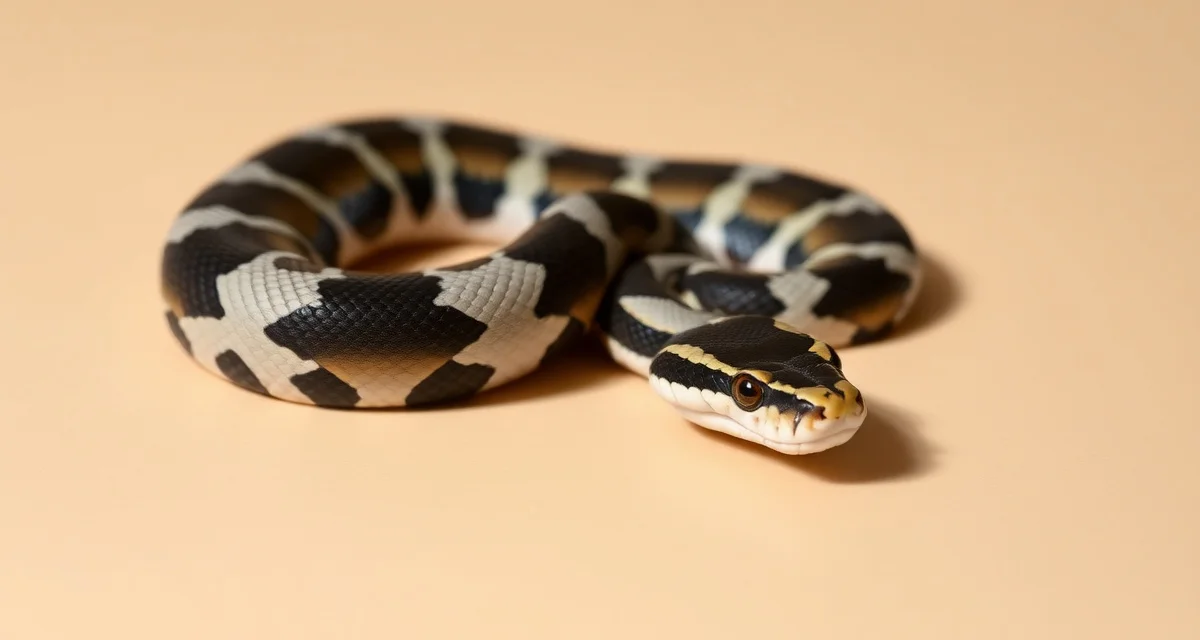
Kingsnake Selling and Pricing: Complete Breeder Guide
By HatchLedger Editorial Team · Published 2025-01-30 · Updated Mar 13, 2026
Kingsnake selling and pricing operates in a diverse market where subspecies, morph genetics overview, and documentation quality all affect what buyers will pay. California kingsnakes with established morphs compete in a mature market with many breeders. Mexican black kingsnakes attract buyers willing to pay premiums for quality locality animals from documented lines. Understanding these market dynamics and pricing your animals accordingly determines whether your program generates meaningful revenue. Breeders using integrated software report 30% less time on administrative tasks, and that time is better spent on quality listings and buyer communication.
TL;DR
- Kingsnakes and milksnakes span the genus Lampropeltis, with numerous species and subspecies each having distinct cycling requirements.
- Most kingsnake species require 90-120 days of brumation at 45-55 degrees Fahrenheit for consistent breeding.
- Clutch size datas average 8-20 eggs depending on species, with California kingsnakes commonly producing 6-12 eggs.
- Incubation runs 55-75 days at 78-82 degrees Fahrenheit, similar to corn snakes.
- Kingsnake morph genetics include albino, anerythristic, and hypo lines plus combination morphs with active development in California kingsnakes, gray-banded kingsnakes, and Mexican black kingsnakes.
Understanding the Kingsnake Market by Subspecies
California Kingsnakes
The California kingsnake market is well-established with a wide range of morphs and price points. Normal-phase animals sell for $50 to $100. Common morphs like albino and lavender sell in the $100 to $250 range. Rare combinations and high-quality selectively bred animals can exceed $500.
Competition is significant in this market. Buyers comparison-shop on MorphMarket, and documentation quality, photo quality, and feeding documentation all affect whether buyers choose your animals over alternatives.
Mexican Black Kingsnakes
MBKs attract buyers specifically for their striking all-black appearance and generally calm disposition. Quality normal-phase MBKs from verified locality lines sell in the $100 to $300 range. Jet-black specimens from documented pure bloodlines command premiums.
The MBK market rewards quality and documentation over volume. A single exceptional animal from a verified line sells more confidently than a group of undocumented animals of uncertain quality.
Other Subspecies
Florida, Eastern, and speckled kingsnakes occupy smaller, more niche markets. Know your buyer audience for these subspecies. Locality-specific animals from documented lines attract purist buyers; crosses or undocumented animals compete primarily on price.
Calculating Your Costs
Before pricing, know your actual cost per hatchling produced:
- Annual care cost for breeding pair divided by average clutch size
- Incubation costs
- Hatchling care from hatch to sale
- Platform fees and shipping
HatchLedger's reptile breeder hub calculates clutch P&L automatically as costs and sales are logged. This real-time financial view ensures your pricing decisions are grounded in actual data.
Where to Sell
MorphMarket: Primary platform for California kingsnake morphs. Listings need high-quality photos, accurate morph documentation, and feeding status information to perform well.
Reptile expos: Effective for volume sales and direct buyer interaction. Table fees and time investment are significant; evaluate whether show attendance works for your program size.
Social media and direct buyers: Building a following in subspecies-specific communities (MBK Facebook groups, locality kingsnake forums) generates direct buyers who don't require platform fees.
Pricing Strategy
Research current market rates for your specific subspecies and morphs before setting prices. Price established feeders above hatchlings with no feeding history. Document all genetic claims accurately. Reptile breeder software comparison resources that connect your sale records to financial outcomes let you review which morphs and subspecies are generating the best returns and adjust your program accordingly.
Frequently Asked Questions
What is the best approach to kingsnake selling and pricing?
Know your subspecies market and what documentation buyers in that market expect. Calculate your actual production costs before setting prices. Provide high-quality photos, accurate genetic documentation, and honest feeding history in every listing. Price established feeders above unfed hatchlings. For MBKs and locality animals, documentation of parentage and line history is a significant pricing lever that buyers in this segment specifically value.
How do professional breeders handle kingsnake selling and pricing?
Professional kingsnake breeders research current market rates, calculate production costs, and price based on both. They don't misrepresent morph status or het certainty. They document feeding history, provide quality photos, and communicate clearly with prospective buyers. They track sales by subspecies and morph to understand which segments of their collection are most profitable and use that data to guide future breeding investments.
What software helps manage kingsnake selling and pricing?
HatchLedger manages multi-species collections with distinct cooling protocols, morph genetics, and clutch records in one system. For kingsnake breeders working across subspecies or multiple species, keeping each animal's protocol and lineage clearly organized prevents the documentation errors that affect buyer trust. Free for up to 20 animals.
Do all kingsnake species need the same cooling duration?
No. California kingsnakes from warmer coastal localities may respond to 90 days of cooling at 50-55 degrees Fahrenheit, while gray-banded kingsnakes from higher elevation Texas habitats may benefit from 120 days at lower temperatures. Eastern kingsnakes from northern localities often need the most aggressive cooling. Research the specific ecology of your animals' locale or subspecies.
Can different kingsnake species be housed together?
Kingsnakes are ophiophagous (snake-eating) and should never be cohabited, including with animals of the same species. Even animals cohabited without incident for extended periods can result in cannibalism. This applies to breeding introductions as well: supervise all introductions and separate animals immediately after copulation.
What is Kingsnake Selling and Pricing: Complete Breeder Guide?
Kingsnake Selling and Pricing: Complete Breeder Guide is a comprehensive resource for reptile breeders covering how to price and sell kingsnakes effectively. It addresses market dynamics across subspecies like California kingsnakes and Mexican black kingsnakes, explains how morph genetics and documentation affect buyer willingness to pay, and provides practical strategies for generating consistent revenue from a kingsnake breeding program.
How much does Kingsnake Selling and Pricing: Complete Breeder Guide cost?
The guide itself is free educational content on HatchLedger. The cost of running a kingsnake breeding program varies widely. Common morphs may sell for $50–$150, while rare combination morphs or documented locality Mexican black kingsnakes can command $300–$600 or more. Your pricing should reflect genetics, lineage documentation, clutch size averages of 8–20 eggs, and current market demand within the Lampropeltis community.
How does Kingsnake Selling and Pricing: Complete Breeder Guide work?
The guide works by breaking down the full sales cycle for kingsnake breeders. It covers brumation requirements of 90–120 days at 45–55°F, incubation at 78–82°F for 55–75 days, morph genetics including albino and hypo lines, and how to present animals with quality listings. It also highlights how integrated breeding software reduces administrative time by around 30%, freeing breeders to focus on sales.
What are the benefits of Kingsnake Selling and Pricing: Complete Breeder Guide?
Key benefits include understanding how subspecies and morph genetics drive pricing, learning to create documentation that justifies premium pricing, and saving time through streamlined record-keeping. Breeders gain clarity on competitive market positioning, particularly in mature segments like California kingsnakes, and learn how to differentiate locality animals to attract serious buyers willing to pay above-average prices for well-documented stock.
Who needs Kingsnake Selling and Pricing: Complete Breeder Guide?
This guide is ideal for hobbyist breeders scaling into a revenue-generating program, experienced keepers expanding into new Lampropeltis species or morphs, and anyone selling kingsnakes who wants to price competitively and communicate value to buyers. It is especially useful for breeders working with California kingsnakes, gray-banded kingsnakes, or Mexican black kingsnakes where documentation and genetics significantly influence what the market will bear.
How long does Kingsnake Selling and Pricing: Complete Breeder Guide take?
Reading the guide takes under 30 minutes, but applying its principles is an ongoing process tied to your breeding season. Brumation alone requires 90–120 days, followed by 55–75 days of incubation. From pairing to selling hatchlings typically spans 6–9 months. Building a reputable program with documented lines and consistent buyer relationships generally takes 2–3 breeding seasons to establish meaningful and repeatable revenue.
Sources
- USARK (United States Association of Reptile Keepers)
- Association of Reptilian and Amphibian Veterinarians (ARAV)
- California Academy of Sciences Herpetology Collection
- Herpetologica (Herpetologists League)
- Reptiles Magazine (Bowtie Inc.)
Get Started with HatchLedger
Managing multiple kingsnake species and subspecies with distinct seasonal cycling protocol requirements and active morph programs benefits from a system that keeps each animal's protocol, lineage, and clutch history clearly organized. HatchLedger connects all of that data across your collection. Free for up to 20 animals.