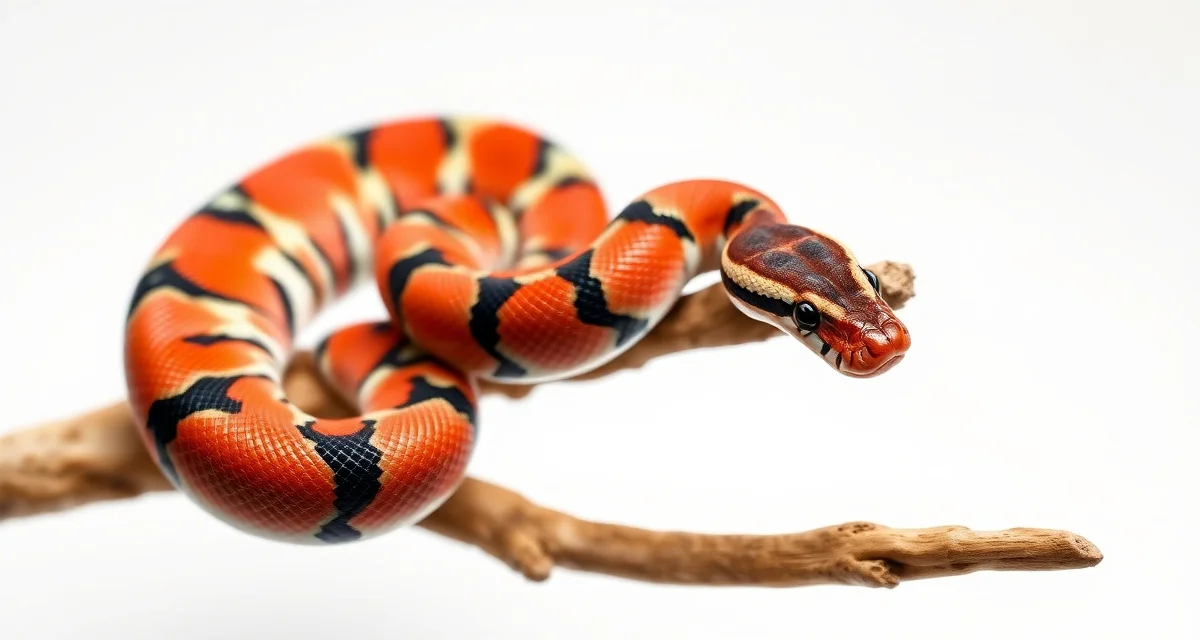
Milk Snake Selling and Pricing: Complete Breeder Guide
By HatchLedger Editorial Team · Published 2025-03-20 · Updated Mar 13, 2026
Milk snake selling and pricing varies significantly by subspecies and morph. A normal-phase Eastern milk snake might sell for $50 to $100, while an albino Honduran milk snake from documented lines could sell for $200 to $600 depending on quality and genetics. Understanding which segment of the milk snake market your animals occupy, calculating your actual production costs, and pricing based on documentation quality are what determine whether your program generates meaningful revenue. Breeders using integrated software report 30% less time on administrative tasks, and that time is better spent on the listings and buyer communication that drive sales.
TL;DR
- Milk snakes span dozens of recognized subspecies of Lampropeltis triangulum and related species, each with distinct care and breeding requirements.
- Most milk snake subspecies require 60-90 days of seasonal cycling at 50-55 degrees Fahrenheit for reliable breeding.
- Clutch sizes range from 4-18 eggs depending on subspecies, with Honduran milk snakes averaging toward the larger end.
- Incubation runs 55-70 days at 78-82 degrees Fahrenheit with moderate humidity.
- Honduran milk snakes have an active morph program with albino, hypo, and tri-color tangerine lines among the established variants.
Market Segments in Milk Snakes
Normal-Phase Subspecies Animals
Eastern, Sinaloan, Pueblan, and Nelson's milk snakes in normal phase trade in a modest price range. Animals from documented pure subspecies lines with known breeding history sell at the higher end. Animals of uncertain or mixed subspecies origin sell at the lower end or sit unsold in a market where buyers can choose documented animals.
If you're selling normal-phase milk snakes, subspecies purity and documentation are your primary value differentiators. Invest in accurate record-keeping for your animals' origins.
Honduran Milk Snake Morphs
Honduran milk snakes have the most developed morph market among milk snake subspecies. Albino animals from documented lines sell in the $200 to $500+ range. Anery and hypo animals command premiums above normal phase. Combo animals (snow = albino + anery) and high-quality breeding pairs attract serious buyers willing to pay significant amounts.
This market rewards documentation. An albino with "confirmed het anery" status from documented parentage is worth more than an albino with "possible het anery." Your genetic records are a pricing tool.
Calculating Production Costs
Know your cost per hatchling before setting prices:
- Annual breeding pair care cost divided by average clutch size
- Incubation costs per clutch
- Hatchling care from hatch to sale
- Platform fees and shipping
HatchLedger's reptile breeder hub calculates clutch P&L automatically as costs and sales are logged. Without this calculation, you're pricing based on market benchmarks alone without knowing whether your specific program is generating profit.
Where to Sell Milk Snakes
MorphMarket: Primary platform for Honduran milk snake morphs and documented subspecies animals. Listing quality matters: high-resolution photos, accurate morph documentation, and feeding history all affect buyer response.
Subspecies Facebook groups: Milk snake enthusiasts gather in subspecies-specific groups. Direct sales in these communities have lower platform costs but require building a presence first.
Reptile expos: Effective for in-person sales. Milk snakes are visually striking animals that appeal to show attendees browsing impulsively as well as serious collectors.
Pricing Strategy
Research current market rates for your specific subspecies and morphs before setting prices. Price established feeders above unfed hatchlings. Document all genetic claims accurately. Review your sales data by morph category to identify where your program generates the best margins.
Reptile breeder software comparison tools that connect your sale records to financial outcomes let you analyze which morph categories and subspecies produce the best returns, driving smarter pairing decisions for future seasons.
Frequently Asked Questions
What is the best approach to milk snake selling and pricing?
Know your subspecies market and what buyers in that market value. Calculate production costs before pricing. Provide accurate genetic documentation in all listings. Establish feeders before selling when possible. Research current market rates for your morph and subspecies. For Honduran milk snake morphs, documentation quality is a significant pricing lever; invest in accurate records that support premium pricing rather than listing animals with vague genetic claims that sophisticated buyers will discount.
How do professional breeders handle milk snake selling and pricing?
Professional milk snake breeders research current market prices, calculate actual production costs, and price based on both. They provide precise genetic documentation, high-quality photos, and honest feeding histories. They track sales by subspecies and morph to identify their most profitable segments and adjust breeding investments accordingly. They don't misrepresent genetic status because the milk snake community is relatively small and reputation damage is lasting.
What software helps manage milk snake selling and pricing?
HatchLedger is purpose-built for reptile breeders, connecting animal records, breeding history, clutch outcomes, and financial tracking in one system. Unlike generic spreadsheets, it's designed around the specific workflow of an active breeding season. Free for up to 20 animals.
What is the most commonly bred milk snake subspecies?
Honduran milk snakes (L. t. hondurensis) are the most widely bred milk snake subspecies due to their larger size, active morph development, and established keeper base. Nelson's milk snakes and Sinaloan milk snakes are also commonly bred. Scarlet kingsnakes have a smaller but dedicated keeper community.
How do you tell apart milk snake subspecies?
Subspecies identification relies on coloration pattern (band count and width), scale counts, and geographic origin. For captive-bred animals, documentation from the original breeder is the most reliable source. Hybridization between subspecies does occur and reduces the value and documentation reliability of offspring.
What is Milk Snake Selling and Pricing: Complete Breeder Guide?
This guide covers everything milk snake breeders need to know about pricing their animals and selling effectively. It breaks down how subspecies, morphs, and documentation quality affect market value, explains how to calculate true production costs, and outlines which market segments your animals fit into. Whether you're selling normal-phase Eastern milk snakes or documented albino Hondurans, the guide helps you set prices that reflect your program's actual value and compete in today's reptile market.
How much does Milk Snake Selling and Pricing: Complete Breeder Guide cost?
Milk snake prices vary widely by subspecies and morph. Normal-phase Eastern milk snakes typically sell for $50 to $100, while common Honduran morphs range from $150 to $400. Documented albino or hypo Hondurans from proven lines can fetch $200 to $600 or more. Your pricing should reflect production costs, genetic documentation quality, and the specific market segment your animals occupy. Undercutting premium animals or overpricing common morphs both hurt long-term program viability.
How does Milk Snake Selling and Pricing: Complete Breeder Guide work?
The guide walks breeders through a structured pricing and selling system: identify your subspecies and morph market segment, calculate real production costs including cycling, incubation, and feeding, then price based on documentation and lineage quality. It also covers listing strategy and buyer communication. Breeders who use integrated record-keeping software report spending 30% less time on admin tasks, freeing more time for the sales activities that actually drive revenue.
What are the benefits of Milk Snake Selling and Pricing: Complete Breeder Guide?
Using this guide helps you avoid two common mistakes: underpricing quality animals and overpricing common ones. You'll understand how documentation, morph genetics, and subspecies rarity affect buyer willingness to pay. Clear pricing strategy builds buyer trust, reduces negotiation friction, and supports long-term program reputation. Breeders who price with intention rather than guesswork consistently generate more sustainable revenue and attract repeat buyers who value documented, well-managed animals.
Who needs Milk Snake Selling and Pricing: Complete Breeder Guide?
This guide is for hobbyist and semi-professional milk snake breeders who want to sell animals more effectively. It's especially useful for anyone working with Honduran morphs, rare subspecies, or multi-clutch production programs. Newer breeders learning to price their first animals and experienced breeders looking to tighten their cost calculations and market positioning will both find actionable guidance here. Anyone selling on reptile marketplaces or through private sales can apply these principles.
How long does Milk Snake Selling and Pricing: Complete Breeder Guide take?
The time investment depends on your program's complexity. Reading the guide takes under an hour. Implementing a full pricing and documentation system typically takes a few days of setup. Ongoing benefits compound over each breeding season as your records improve and your market positioning becomes clearer. Breeders managing multiple subspecies or running active morph projects may spend a week refining their cost models, but the payoff is faster sales and stronger buyer confidence season over season.
Related Articles
- Burmese Python Selling and Pricing: Complete Breeder Guide
- Carpet Python Selling and Pricing: Complete Breeder Guide
Sources
- USARK (United States Association of Reptile Keepers)
- Association of Reptilian and Amphibian Veterinarians (ARAV)
- Herpetologica (Herpetologists League)
- Society for the Study of Amphibians and Reptiles (SSAR)
- Reptiles Magazine (Bowtie Inc.)
Get Started with HatchLedger
Milk snake breeders working across subspecies and morph lines benefit from records that track lineage clearly and connect cooling protocols to seasonal clutch outcomes. HatchLedger keeps this information organized and searchable across your entire collection. Free for up to 20 animals.