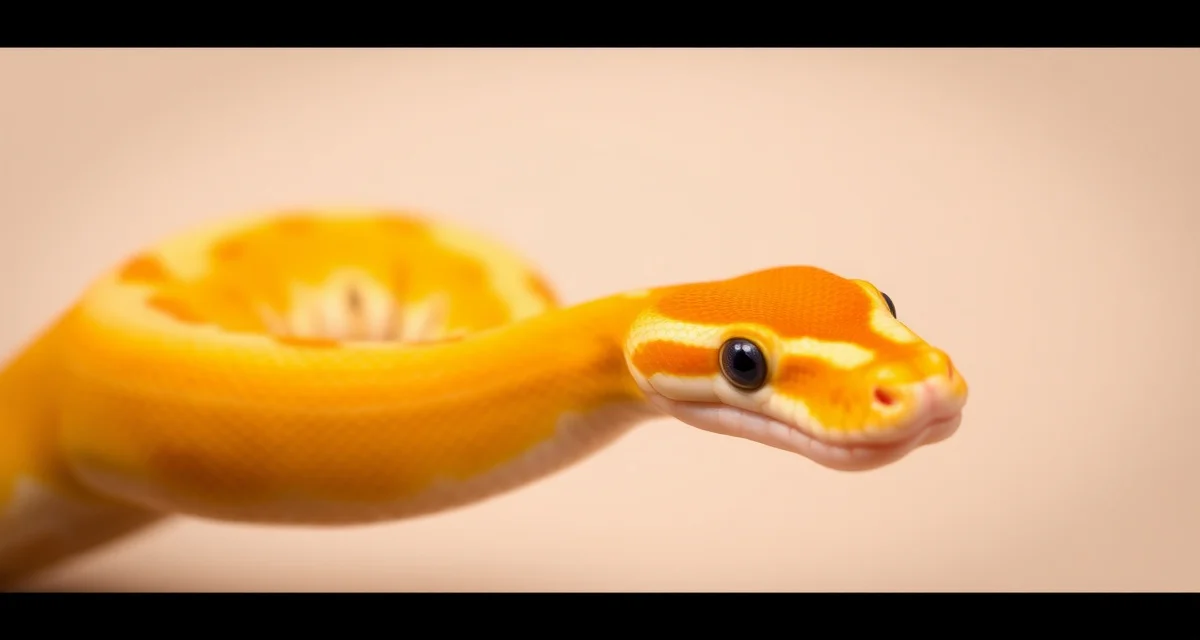
Fire Ball Python: Genetics, Breeding Outcomes and Pricing
By HatchLedger Editorial Team · Published 2025-06-12 · Updated Mar 13, 2026
Fire is a BEL-complex co-dominant morph that, like Lesser and Butter, produces a Blue-Eyed Lucy when combined with other alleles in the complex. What distinguishes Fire in the market is its brightening and color-washing effect, singles look clean and polished, and the Super Fire (Black-Eyed Leucistic) is one of the most striking super forms in the hobby.
TL;DR
- The Fire morph is a documented genetic variant in ball pythons with established inheritance pattern and pricing history.
- Co-dominant morphs express visually in single copy and produce a distinct super form in double copy (with exceptions like Spider where the super is non-viable).
- Recessive morphs require two copies to be visually expressed; single-copy carriers (hets) look identical to normal ball pythons.
- Documented het claims backed by parentage records are worth significantly more at resale than unverified possible-het claims.
- Market prices for any given morph are heavily influenced by production volume, demand trends, and whether the morph stacks well with high-value genes.
Fire Genetics
Fire is co-dominant and part of the BEL allelic complex. The super form of Fire homozygous (Fire × Fire) is not a Blue-Eyed Lucy, it's a Black-Eyed Leucistic: a predominantly white or very pale animal with jet black eyes. This is visually distinct from BEL animals with blue eyes.
From Fire × normal:
- 50% Fire
- 50% normal
From Fire × Fire:
- 25% Black-Eyed Leucistic (Fire/Fire)
- 50% Fire
- 25% normal
From Fire × Lesser/Butter/Mojave (BEL complex):
- 25% BEL compound
- 25% Fire
- 25% other allele
- 25% normal
Super Fire: Black-Eyed Leucistic
The Black-Eyed Leucistic is arguably more striking than standard BEL animals because the jet-black eyes against a white or very pale body create high contrast. This is a legitimate production goal for Fire breeders, breed Fire × Fire and produce 25% Black-Eyed Leucistics.
Identification: White or very pale (sometimes slightly lavender-tinted) body with completely black eyes. No pattern visible. Unmistakable at hatch.
Visual Identification: Single-Copy Fire
Single Fire animals show:
- Reduced pattern with a cleaner, brighter appearance
- Yellower or more golden coloration compared to normals
- Reduced dark borders with a lighter "washed" appearance
- Some individuals show a characteristic lighter brown-tan base that distinguishes them from similar morphs
Fire can be visually confused with similar brightening morphs (Pastel, Lesser, certain Enchis). When purchasing animals from unknown sources, documentation of parentage is the most reliable identification method.
Fire in Combos
Fire Pastel: Clean brightening effect stacked. Attractive combo.
Fire Clown: Brightened Clown pattern. Popular.
Fire Pied: Brighter pattern sections against white.
Black-Eyed Lucy (various compounds): Fire combined with BEL-complex alleles produces BEL animals.
Firefly (Fire Pastel Spider): Classic triple combo. Popular in the Spider-combo market; disclose wobble.
Pricing
| Animal | Typical Market Price |
|---|---|
| Fire (male) | $75-$150 |
| Fire (female) | $150-$300 |
| Black-Eyed Leucistic (male) | $300-$600 |
| Black-Eyed Leucistic (female) | $600-$1,200 |
| Fire Clown (male) | $400-$800 |
| Fire Clown (female) | $1,000-$2,500 |
Key Breeding Consideration
The Fire super form (Black-Eyed Leucistic) is a viable, healthy animal unlike Spider's super form. This makes Fire × Fire a legitimate and productive pairing, 25% of offspring will be Black-Eyed Leucistics, which are premium animals.
When combining Fire with BEL-complex morphs (Lesser, Butter, Mojave), track the specific allele combinations in all BEL offspring for downstream breeding accuracy.
Related Articles
- Bamboo Ball Python: Genetics, Breeding Outcomes and Pricing
- Banana Ball Python: Genetics, Breeding Outcomes and Pricing
- Black Pastel Ball Python: Genetics, Breeding Outcomes and Pricing
- Bumble Bee Ball Python: Genetics, Breeding Outcomes and Pricing
FAQ
What is the best approach to fire ball python morph?
Fire is best utilized for its Black-Eyed Leucistic super form production and as a BEL-complex contributor in combo programs. Breed Fire × Fire to produce Black-Eyed Leucistics. Combine Fire with recessives (Clown, Pied) for premium combo animals. Track BEL allele compositions carefully when producing compound BEL animals from Fire + other allele pairings.
How do professional breeders handle fire ball python morph?
Professional Fire breeders often maintain visual Fire animals as breeders specifically to produce Black-Eyed Leucistics. They document BEL compound allele combinations in offspring from Fire × BEL-complex pairings. Fire in combo with high-demand recessives represents their highest-value production.
What software helps manage fire ball python morph?
HatchLedger is purpose-built for reptile breeders, connecting animal records, breeding history, clutch outcomes, and financial tracking in one connected system. Unlike general spreadsheets or notes apps, it's designed around the specific workflow of an active breeding season -- from pairing records through hatchling inventory and sales documentation. Free for up to 20 animals.
What is Fire Ball Python: Genetics, Breeding Outcomes and Pricing?
The Fire ball python is a co-dominant morph in the BEL (Blue-Eyed Lucy) allelic complex. Single-copy Fire animals display a clean, color-washed appearance, while double-copy (homozygous) Fire produces a Black-Eyed Leucistic — a striking near-white snake with jet black eyes. As part of the BEL complex, Fire can also combine with Lesser, Butter, and related alleles to produce Blue-Eyed Lucies. The article covers Fire's inheritance pattern, breeding combinations, expected clutch outcomes, and current market pricing.
How much does Fire Ball Python: Genetics, Breeding Outcomes and Pricing cost?
Fire ball python pricing varies by genetic complexity. Single-gene Fire animals typically range from $75–$200 depending on sex and breeder. Combos with high-demand morphs like Clown, Pied, or Axanthic command significantly more. Super Fires (Black-Eyed Leucistics) generally sell for $300–$600+. Verified parentage records and documented het claims increase resale value. Market prices fluctuate based on production volume and demand trends, so checking recent sales on reptile marketplaces gives the most current benchmark.
How does Fire Ball Python: Genetics, Breeding Outcomes and Pricing work?
Fire works through co-dominant inheritance, meaning a single copy visually alters the animal's appearance — brightening base color and washing out pattern. When two Fire alleles are combined (Fire × Fire), the result is a Black-Eyed Leucistic, not a Blue-Eyed Lucy. Fire also interacts with other BEL-complex alleles (Lesser, Butter, Mocha, etc.) to produce Blue-Eyed Lucies. Breeders pair Fire strategically to stack genes, build combo animals, and reliably hit leucistic outcomes in a clutch.
What are the benefits of Fire Ball Python: Genetics, Breeding Outcomes and Pricing?
Fire adds versatility and visual impact at an accessible price point. As a co-dominant gene, every Fire animal is a proven visual — no hidden carriers. It stacks cleanly with most other morphs, brightening and enhancing combos. The Super Fire (Black-Eyed Leucistic) is one of the most visually dramatic super forms in the hobby. Fire also provides a reliable BEL-complex pathway, giving breeders multiple routes to leucistic offspring when crossed with Lesser, Butter, or related alleles.
Who needs Fire Ball Python: Genetics, Breeding Outcomes and Pricing?
Fire ball pythons suit hobbyists at every level. Beginner breeders value Fire for its straightforward co-dominant genetics and affordable entry price. Intermediate breeders use it to build combo animals and hit leucistic outcomes. Advanced breeders incorporate Fire into multi-gene projects to produce high-value clutches. Collectors seeking clean, striking display animals are drawn to the Super Fire's Black-Eyed Leucistic appearance. Anyone interested in the BEL complex — whether breeding or buying — benefits from understanding how Fire fits into the allelic series.
Sources
- USARK (United States Association of Reptile Keepers)
- World of Ball Pythons (WoBP genetics reference database)
- Association of Reptilian and Amphibian Veterinarians (ARAV)
- MorphMarket (reptile industry marketplace data)
- Ball Python community genetics documentation
Get Started with HatchLedger
Tracking Fire genetics through multiple generations requires connected records that link parent morphs, clutch outcomes, and het status for every animal in your collection. HatchLedger's genetics engine handles this automatically, making buyer documentation accurate and complete. Try it free with up to 20 animals.