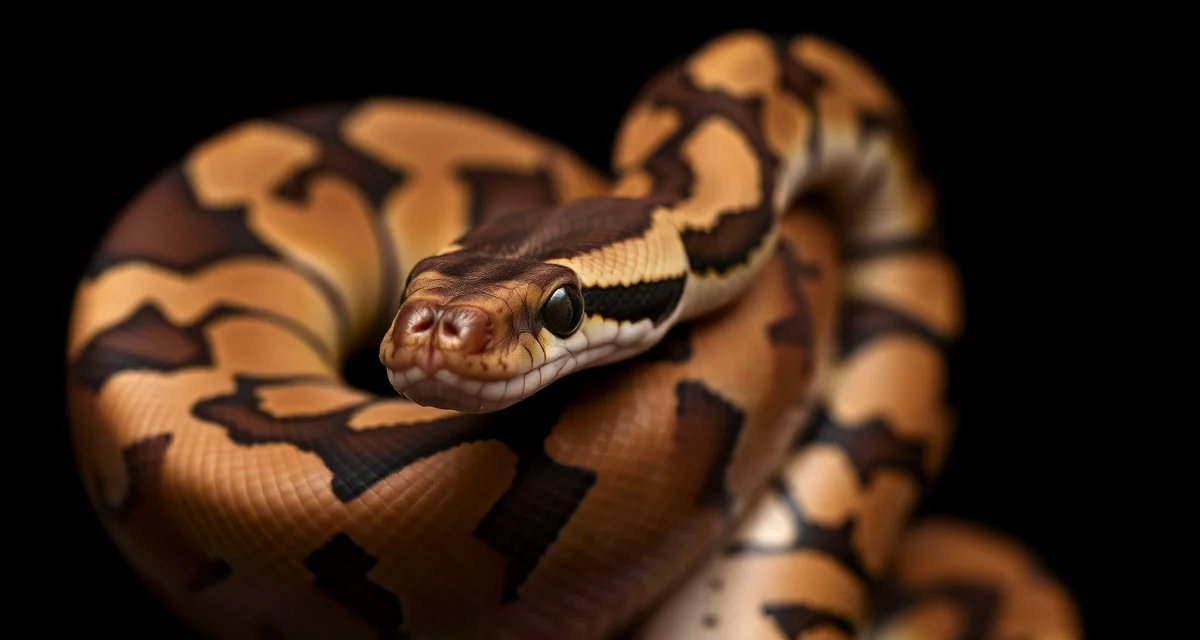
Hidden Gene Woma Ball Python: Genetics, Breeding Outcomes and Pricing
By HatchLedger Editorial Team · Published 2025-02-11 · Updated Mar 13, 2026
Hidden Gene Woma (HGW) is one of the more unusual morphs in ball pythons. It appears to be co-dominant but the single-gene phenotype is subtle, some breeders argue it's almost indistinguishable from a normal to the untrained eye. The super form, however, is dramatically different and highly sought-after. HGW is also allelic with Russo, meaning the two genes interact in interesting ways.
TL;DR
- The Hidden Gene Woma morph is a documented genetic variant in ball pythons with established inheritance pattern and pricing history.
- Co-dominant morphs express visually in single copy and produce a distinct super form in double copy (with exceptions like Spider where the super is non-viable).
- Recessive morphs require two copies to be visually expressed; single-copy carriers (hets) look identical to normal ball pythons.
- Documented het claims backed by parentage records are worth significantly more at resale than unverified possible-het claims.
- Market prices for any given morph are heavily influenced by production volume, demand trends, and whether the morph stacks well with high-value genes.
HGW Genetics: What Makes It Complicated
Hidden Gene Woma is co-dominant with a visually subtle single-gene form. The "hidden" in the name refers to the fact that single-gene HGW animals can be easy to miss. Experienced breeders learn to identify the subtle banding patterns and head markings, but it takes practice.
Two copies (Super HGW) produce a dramatically different animal, near-leucistic white with blushing, sometimes with a clean pattern. Super HGW is genuinely striking.
HGW and Russo Allelism
HGW and Russo (also listed as HGW) are the same gene, or allelic, depending on the source. This causes naming confusion in the hobby. When working with HGW animals, confirm lineage documentation carefully. Animals from some lines are labeled Russo, others HGW. The allelism means Russo x HGW pairings produce compound animals.
Single-Gene HGW Appearance
Single-gene HGWs show mild pattern disruption, the banding can appear more fragmented or "smashed" compared to a normal. The head pattern may show distinctive markings. These are subtle differences. Retail for confirmed single-gene HGWs: $75-$150.
Super HGW
This is the payoff. Super HGWs are near-white animals with pink or lavender blushing, visually impressive and commercially desirable. Retail $300-$600.
HGW Combos
- HGW Pastel: brighter animals with enhanced contrast; retail $150-$300
- HGW Enchi: strong orange animals with pattern disruption; retail $200-$400
- HGW Clown: striking, the clown pattern interacts with the HGW pattern disruption beautifully; retail $600-$1,100
- HGW Pied: white-based with unusual saddle pattern; retail $500-$900
- Russo HGW (compound): unusual-looking double-co-dom animals; retail varies widely
Breeding HGW Ball Pythons
The Identification Challenge
The hardest part of running an HGW project is correctly identifying single-gene animals in your hatchlings. Because single-gene HGWs can look close to normals, it's worth photographing every hatchling from an HGW pairing and comparing heads and bands carefully.
I log photos in HatchLedger's hatchling inventory for every clutch from an HGW pairing. That way, if I'm not sure about a hatchling's identity at day one, I can revisit the photo later and compare with other clutch animals.
Russo x HGW Pairings
If you have confirmed Russo animals, pairing them with confirmed HGW animals is interesting. You'll produce Russo, HGW, and Russo HGW compound animals, plus normals, in a single clutch. The Russo HGW compound is a distinctive-looking animal that can command premium prices. Document both gene markers clearly for each offspring.
Breeding Season and Incubation
Standard ball python parameters: October-March breeding season, 88-90°F incubation at 88-100% humidity, 55-65 days. No HGW-specific considerations.
Pricing HGW Ball Pythons
| Animal | Retail Range |
|--------|-------------|
| Single-gene HGW (female) | $100-$200 |
| Single-gene HGW (male) | $75-$150 |
| Super HGW | $300-$600 |
| HGW Pastel | $150-$300 |
| HGW Enchi | $200-$400 |
| HGW Clown | $600-$1,100 |
| HGW Pied | $500-$900 |
Managing HGW Records
Because of the identification challenges with single-gene HGW, detailed records at hatch are essential. HatchLedger's inventory tracker lets you record a note for each hatchling indicating whether the visual ID was confident or tentative, which helps you manage how you price and sell those animals.
The lineage engine connects each offspring to its parent records. If a buyer later breeds one of your HGW animals and produces Super HGW offspring, that confirms the gene, and your documentation from HatchLedger supports the whole chain of custody.
Related Articles
- Banana Ball Python: Genetics, Breeding Outcomes and Pricing
- Black Magic Ball Python: Genetics, Breeding Outcomes and Pricing
- Black Pastel Ball Python: Genetics, Breeding Outcomes and Pricing
- Bumble Bee Ball Python: Genetics, Breeding Outcomes and Pricing
FAQ
What is the best approach to Hidden Gene Woma ball python identification?
Invest time learning the subtle markers: fragmented bands, distinctive head pattern. Compare fresh hatchlings side by side within the same clutch, the contrast helps. Photograph everything at hatch. If uncertain, keep the animal and rear it until the pattern becomes clearer. Selling an animal as HGW when it might be a normal damages your reputation and your buyer's trust.
How do professional breeders handle HGW and Russo pairings?
Most experienced breeders who work with both HGW and Russo treat them as allelic. They document each animal's gene source carefully and produce Russo x HGW combos deliberately. The compound animals from that cross are unusual enough to generate buyer interest. Because the naming is inconsistent in the hobby, clear seller documentation is critical for buyers who want to continue breeding these lines.
What is Hidden Gene Woma Ball Python: Genetics, Breeding Outcomes and Pricing?
Hidden Gene Woma (HGW) is a co-dominant ball python morph with a notoriously subtle single-gene phenotype that can be difficult to distinguish from a normal ball python. Its super form, however, is dramatically different and highly prized. HGW is also allelic with Russo, meaning the two genes interact in unique ways. It follows standard co-dominant inheritance: breed two single-gene HGWs together and you get 25% supers, 50% single-gene, and 25% normals.
How much does Hidden Gene Woma Ball Python: Genetics, Breeding Outcomes and Pricing cost?
Single-gene HGW ball pythons typically sell for $150–$400 depending on sex, locality, and combo genes. Super HGWs command significantly more, often $600–$1,500+, due to their striking appearance and relative scarcity. HGW combos with high-value morphs like Clown, Pied, or Banana can push prices higher. As with most morphs, prices shift with production volume and market demand, so checking current listings on MorphMarket gives the most accurate real-time pricing.
How does Hidden Gene Woma Ball Python: Genetics, Breeding Outcomes and Pricing work?
HGW follows co-dominant inheritance. A single copy produces a visually subtle animal — slightly altered pattern or color that trained breeders recognize but novices often miss. Breeding two single-gene HGWs produces the super form in 25% of offspring. Because HGW is allelic with Russo, pairing an HGW with a Russo produces a hybrid expression animal rather than a super of either morph, creating a distinct phenotype with its own market value.
What are the benefits of Hidden Gene Woma Ball Python: Genetics, Breeding Outcomes and Pricing?
The primary appeal of HGW is its super form, which is dramatically different from the single-gene expression and highly sought after by collectors. Its allelism with Russo opens up unique combo possibilities unavailable with most other morphs. HGW stacks well with other genes and can add significant value to multi-gene projects. For breeders focused on producing visually striking animals efficiently, HGW offers a reliable co-dominant pathway with a commercially desirable super form.
Who needs Hidden Gene Woma Ball Python: Genetics, Breeding Outcomes and Pricing?
HGW is best suited for intermediate to advanced ball python breeders who can reliably identify the subtle single-gene phenotype at hatch. Beginners may struggle to visually confirm HGWs without parentage records or experienced guidance. Collectors seeking the dramatic super form, or breeders building Russo-allelic combo projects, are the primary buyers. Anyone working with Russo genetics should understand HGW's allelism, as accidental pairings will produce hybrid outcomes rather than supers of either morph.
How long does Hidden Gene Woma Ball Python: Genetics, Breeding Outcomes and Pricing take?
Producing HGW offspring follows standard ball python breeding timelines. Females are typically bred from October through February and lay eggs roughly 30–60 days after a successful lock. Eggs incubate for approximately 55–65 days at 88–90°F. Planning a breeding season from pairing to hatchlings takes 9–12 months total. Building toward super HGW offspring from a foundational HGW pairing realistically spans one full breeding season, assuming your animals are at breeding weight and condition.
Sources
- USARK (United States Association of Reptile Keepers)
- World of Ball Pythons (WoBP genetics reference database)
- Association of Reptilian and Amphibian Veterinarians (ARAV)
- MorphMarket (reptile industry marketplace data)
- Ball Python community genetics documentation
Get Started with HatchLedger
Tracking Hidden Gene Woma genetics through multiple generations requires connected records that link parent morphs, clutch outcomes, and het status for every animal in your collection. HatchLedger's genetics engine handles this automatically, making buyer documentation accurate and complete. Try it free with up to 20 animals.