Highway Ball Python: Genetics, Breeding Outcomes and Pricing
By HatchLedger Editorial Team · Published 2025-05-14 · Updated Mar 13, 2026
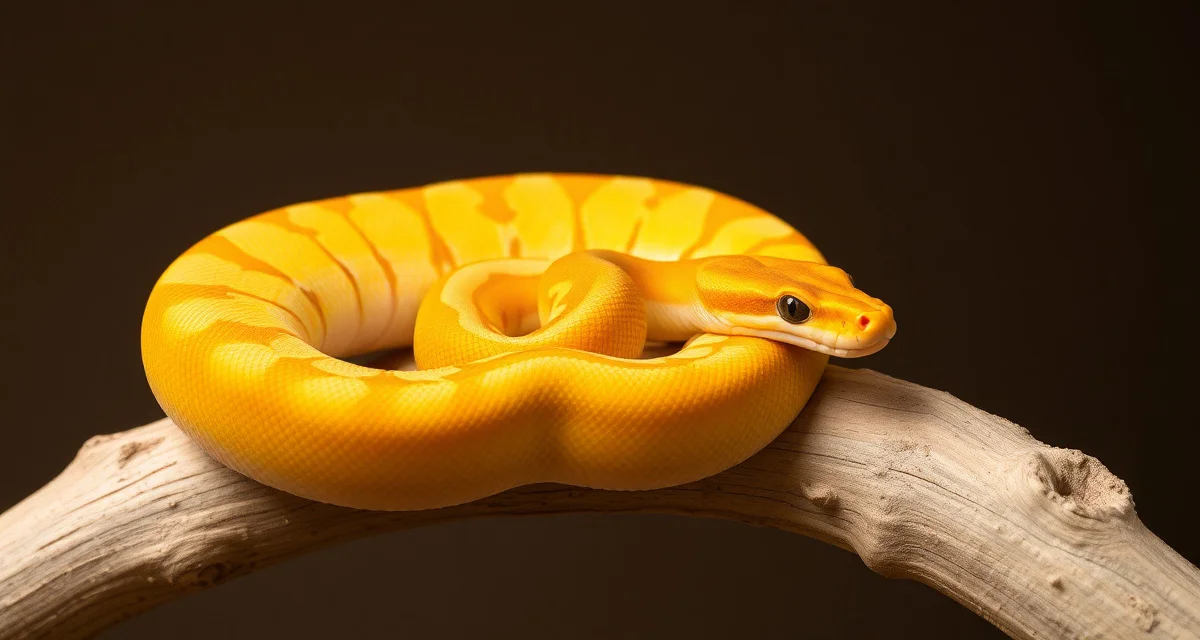
Highway is a combo morph in the Yellowbelly complex, the combination of Yellowbelly and Orange Dream in the same animal. Like Freeway, it's a named combo that emerges from crossing two compatible co-dominant genes. Highways show vivid yellow-orange coloration with a distinctive pattern that reflects both parent genes. They're attractive commercial animals and a natural product if you're running Orange Dream and Yellowbelly in parallel.
TL;DR
- The Highway morph is a documented genetic variant in ball pythons with established inheritance pattern and pricing history.
- Co-dominant morphs express visually in single copy and produce a distinct super form in double copy (with exceptions like Spider where the super is non-viable).
- Recessive morphs require two copies to be visually expressed; single-copy carriers (hets) look identical to normal ball pythons.
- Documented het claims backed by parentage records are worth significantly more at resale than unverified possible-het claims.
- Market prices for any given morph are heavily influenced by production volume, demand trends, and whether the morph stacks well with high-value genes.
Highway Genetics
Highway = Yellowbelly + Orange Dream. Two separate co-dominant genes at different loci.
Producing Highways:
- Yellowbelly x Orange Dream: 25% Yellowbelly, 25% Orange Dream, 25% Highway, 25% normal
- Highway x Normal: same 25/25/25/25 distribution
Both genes are co-dominant, so the standard Mendelian ratios apply. No lethal gene concerns in this pairing.
Highway Appearance
Highways combine the Yellowbelly brightening/pattern effects with the vivid orange-yellow coloration of Orange Dream. The result is a warm, vivid animal with a distinct pattern that stands apart from either parent morph. They photograph well and appeal to buyers looking for vivid animals in the $200-$500 range. Retail: $200-$450.
Yellowbelly Complex Context
Yellowbelly is part of a gene complex that includes Ivory (Super Yellowbelly), Asphalt, Gravel, and others. Orange Dream is in its own co-dom space. Highway occupies the intersection of these two complexes.
Highway Combos
- Highway Pastel: color amplification adds vivid yellow; retail $300-$600
- Highway Clown: recessive addition; retail $700-$1,400
- Highway Pied: white base with Highway-colored saddles; retail $700-$1,300
- Highway Enchi: orange amplification from Enchi over Highway base; retail $400-$700
Breeding Highway Ball Pythons
Production Strategy
Yellowbelly x Orange Dream is the cleanest production route. Every animal in the clutch is commercially viable, Yellowbelly, Orange Dream, Highway, and normal all sell. Add het recessive genes to both parents for maximum clutch value.
Highway animals held back as breeders can be paired to plain animals to produce more Highways plus single-gene versions of each component gene. This is useful if you want to build larger numbers of Highway animals for a specific project.
Season and Incubation
October-March breeding season, 88-90°F, 88-100% humidity, 55-65 days incubation. Log pairings and lock dates in HatchLedger. Multiple co-dom projects running simultaneously benefit from the planner's schedule tracking.
Pricing Highway Ball Pythons
| Animal | Retail Range |
|--------|-------------|
| Highway (female) | $250-$500 |
| Highway (male) | $175-$375 |
| Highway Pastel | $300-$600 |
| Highway Clown | $700-$1,400 |
| Highway Pied | $700-$1,300 |
| Highway Enchi | $400-$700 |
Related Articles
- Banana Ball Python: Genetics, Breeding Outcomes and Pricing
- Black Magic Ball Python: Genetics, Breeding Outcomes and Pricing
- Black Pastel Ball Python: Genetics, Breeding Outcomes and Pricing
- Bumble Bee Ball Python: Genetics, Breeding Outcomes and Pricing
FAQ
What genes make a Highway ball python?
Highway = Yellowbelly + Orange Dream. Both are co-dominant morphs at different genetic loci. Producing Highways requires crossing an animal carrying Yellowbelly with an animal carrying Orange Dream. The resulting combo shows distinct coloration and pattern modification from both contributing genes.
How do professional breeders use Highway ball pythons in their programs?
Most breeders produce Highways as part of Yellowbelly-complex or Orange Dream projects rather than building dedicated Highway programs. The combo animals that emerge from these crosses are commercially valuable and help generate revenue while the main project (het recessive lines) develops over multiple seasons. Adding recessives to both parents ensures every Highway produced has future breeding value beyond its visual phenotype.
What is Highway Ball Python: Genetics, Breeding Outcomes and Pricing?
The Highway ball python is a co-dominant combo morph produced by combining Yellowbelly and Orange Dream — two separate genes at different loci. The result is a visually striking animal with vivid yellow-orange coloration and a pattern that reflects both parent genes. Highway is a named, documented genetic variant with predictable inheritance. When you breed Yellowbelly to Orange Dream, 25% of offspring statistically express as Highway, making it a reliable commercial product for breeders running both genes in their collection.
How much does Highway Ball Python: Genetics, Breeding Outcomes and Pricing cost?
Highway ball pythons typically sell for $150–$400 depending on sex, lineage, and whether additional genes are present. Females command a premium due to breeding value. Pairing Highway with high-demand genes like Clown, Pied, or Pastel can push prices significantly higher. Like most combo morphs, pricing is influenced by production volume and market trends — as more breeders produce Highways, base prices compress. Documented parentage and clean breeding records support stronger resale values compared to animals from unverified pairings.
How does Highway Ball Python: Genetics, Breeding Outcomes and Pricing work?
Highway works through co-dominant inheritance. Yellowbelly and Orange Dream are separate genes at different loci, each expressing visually in single copy. When both are present in the same animal, they interact to produce the Highway phenotype — richer color and a more exaggerated pattern than either gene alone. Breeding a Yellowbelly to an Orange Dream yields a predictable 1:1:1:1 ratio: 25% Yellowbelly, 25% Orange Dream, 25% Highway, 25% normal. The same ratio repeats when a Highway is bred back to a normal.
What are the benefits of Highway Ball Python: Genetics, Breeding Outcomes and Pricing?
The main advantage of Highway is predictability. Because both parent genes are co-dominant, every clutch from a Yellowbelly x Orange Dream pairing produces Highways at a reliable statistical rate — no hidden hets, no guesswork. Highways also stack cleanly with recessive morphs like Clown or Pied to produce high-value combos. Visually, the morph is commercially appealing, with bright yellow-orange tones that photograph well. For breeders already holding Orange Dream or Yellowbelly stock, producing Highways is a natural, low-friction extension of an existing breeding program.
Who needs Highway Ball Python: Genetics, Breeding Outcomes and Pricing?
Highway ball pythons are well-suited for intermediate to advanced breeders who already work with Orange Dream, Yellowbelly, or the broader Yellowbelly complex. Collectors drawn to bright, warm-toned animals will find Highway aesthetically distinctive. Breeders looking to build toward high-value recessive combos — such as Highway Clown or Highway Pied — benefit from adding this gene stack early. Beginners can work with Highways, but understanding co-dominant genetics and clutch ratios beforehand helps set realistic production expectations and supports better pricing decisions at sale.
How long does Highway Ball Python: Genetics, Breeding Outcomes and Pricing take?
Ball pythons reach breeding size based on weight, not age — females are typically ready around 1,200–1,500 grams, usually at 2–3 years old. Once paired, ovulation and follicle development take weeks to confirm. After a successful lock, gestation runs approximately 30–60 days before egg deposition, followed by a 55–60 day incubation period. From first pairing attempt to hatchlings, expect a 6–9 month timeline in most cases. Producing Highway offspring specifically requires no additional time compared to any other co-dominant pairing.
Sources
- USARK (United States Association of Reptile Keepers)
- World of Ball Pythons (WoBP genetics reference database)
- Association of Reptilian and Amphibian Veterinarians (ARAV)
- MorphMarket (reptile industry marketplace data)
- Ball Python community genetics documentation
Get Started with HatchLedger
Tracking Highway genetics through multiple generations requires connected records that link parent morphs, clutch outcomes, and het status for every animal in your collection. HatchLedger's genetics engine handles this automatically, making buyer documentation accurate and complete. Try it free with up to 20 animals.