Pastel Ball Python: Genetics, Breeding Outcomes and Pricing
By HatchLedger Editorial Team · Published 2025-01-30 · Updated Mar 13, 2026
Pastel is the foundational co-dominant morph in ball python breeding. It's been a standard part of combo production since the early 2000s, and for good reason: it brightens yellow and reduces black pigment in virtually every morph it touches. If you're building a serious breeding program, you'll probably have Pastels in it.
TL;DR
- The Pastel morph is a documented genetic variant in ball pythons with established inheritance pattern and pricing history.
- Co-dominant morphs express visually in single copy and produce a distinct super form in double copy (with exceptions like Spider where the super is non-viable).
- Recessive morphs require two copies to be visually expressed; single-copy carriers (hets) look identical to normal ball pythons.
- Documented het claims backed by parentage records are worth significantly more at resale than unverified possible-het claims.
- Market prices for any given morph are heavily influenced by production volume, demand trends, and whether the morph stacks well with high-value genes.
Pastel Genetics
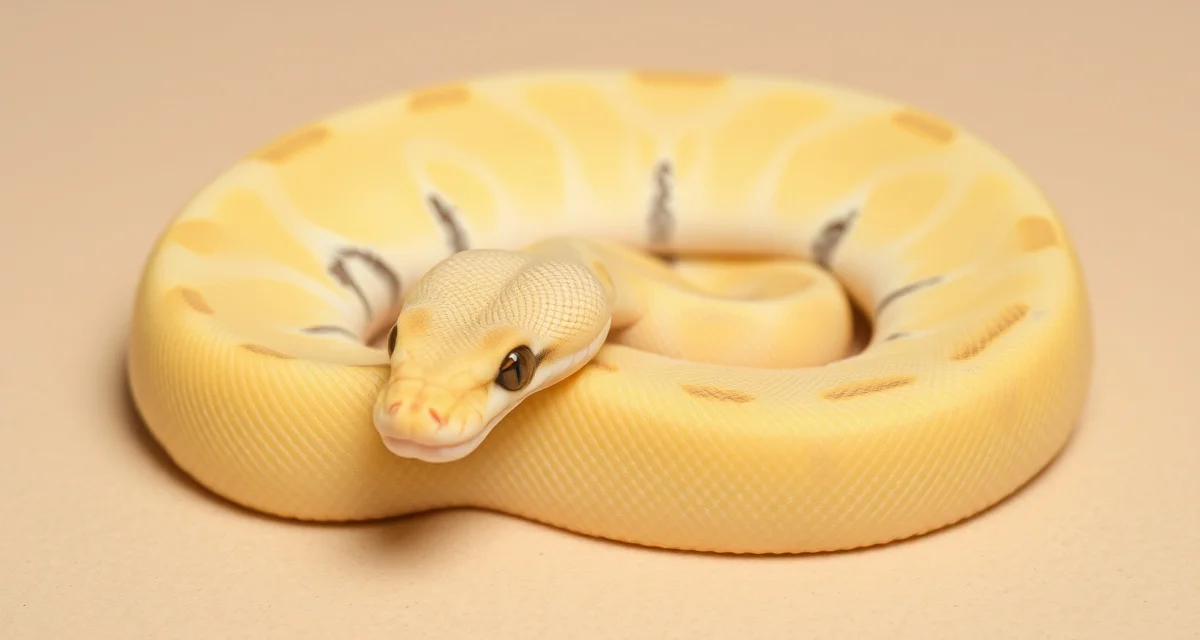
Pastel is co-dominant (incomplete dominant). Single-copy Pastels show brighter yellows, reduced black pattern, and a characteristic white or yellow head stamp. The belly is noticeably lighter and cleaner than a normal.
Double-copy animals, Super Pastels, are bleached, almost luminescent yellow with extreme pattern reduction. The Super Pastel visual is one of the most striking single-combo animals in the hobby.
From Pastel × normal:
- 50% Pastel
- 50% normal
From Pastel × Pastel:
- 25% Super Pastel
- 50% Pastel
- 25% normal
From Super Pastel × normal:
- 100% Pastel
Super Pastel can be identified at hatch by the extreme yellow coloration, nearly absent black patterning, and characteristic "alien head" or head stamp marking that's often very bright.
Pastel Quality Variation
All Pastels are not equal. "Quality" refers to how strongly the individual animal expresses the gene. High-quality Pastels are intensely bright yellow with heavy black reduction. Low-quality Pastels may show only mild brightening.
This variation matters for combo production. Pairing a high-quality Pastel to another morph gives you brighter offspring than a low-quality Pastel produces. When evaluating Pastel breeding animals, look for:
- Intense yellow/gold coloration rather than pale yellow
- Reduced black borders on the dorsal pattern
- Clean, bright head stamp
- White or very pale yellow belly
Many breeders prefer to use Pastel animals with proven high-quality expression as combo builders rather than the first Pastel they acquire.
Pastel in Combos: How It Builds Value
Pastel's brightness-enhancing effect means it adds visible value to almost any morph:
Pastel + Clown: The Pastel Clown shows dramatically brighter yellows than a standard Clown. Market premium 1.5-2× over single-gene Clown.
Pastel + Pied: Brighter, more contrasted pied animals. Strong market demand.
Pastel + Spider = Bumblebee: Classic combination. Extensive production, accessible price point.
Super Pastel + Spider = Killer Bee: Premium animal, still commands strong prices.
Pastel + GHi: Strong pattern disruption with brightness enhancement. High-end combo.
Pastel + Enchi: Sumatra, Cheddar, and similar combos. Excellent visual impact.
Breeding Outcomes Table
| Pairing | 25% | 50% | 25% |
|---|---|---|---|
| Pastel × Normal |, | Pastel | Normal |
| Pastel × Pastel | Super Pastel | Pastel | Normal |
| Super Pastel × Normal |, | 100% Pastel |, |
Pricing
Pastel single-gene animals are commodity morphs, widely available, moderate price point. Value comes from combos.
| Animal | Typical Market Price |
|---|---|
| Pastel (male) | $50-$100 |
| Pastel (female) | $100-$200 |
| Super Pastel (male) | $100-$200 |
| Super Pastel (female) | $200-$400 |
| Pastel Clown (male) | $300-$600 |
| Pastel Clown (female) | $600-$1,500 |
| Killer Bee | $150-$400 |
Key Breeding Considerations
Pastel is a workhorse gene, low risk, high versatility, positive visual impact across virtually all combinations. It's typically one of the first co-dominants breeders add to existing recessive projects.
When working with Pastel animals in a collection that also includes recessive hets, careful record-keeping ensures you track which Pastels are also carrying recessive genes. A Pastel het Clown looks identical to a Pastel without het Clown. The difference in value and breeding utility is significant.
HatchLedger's genetics engine tracks both the visual Pastel gene and any confirmed or possible het status for each animal, making it straightforward to identify which Pastels in your collection are also carrying recessives.
Related Articles
- Asphalt Ball Python: Genetics, Breeding Outcomes and Pricing
- Axanthic Ball Python: Genetics, Breeding Outcomes and Pricing
- Bamboo Ball Python: Genetics, Breeding Outcomes and Pricing
- Banana Ball Python: Genetics, Breeding Outcomes and Pricing
FAQ
What is the best approach to pastel ball python morph?
Pastel is best used as a combo-builder rather than a standalone project. Single Pastels sell modestly; Pastel combined with high-demand recessive genes (Clown, Pied) or stacked co-dominants (GHi, Enchi) produces premium animals. Focus on high-quality Pastel animals, bright expression, strong head stamp, as your breeding stock rather than buying the cheapest Pastel available.
How do professional breeders handle pastel ball python morph?
Experienced breeders typically run Pastel as a component of larger projects rather than a standalone program. They track Pastel quality through lineage records and preferentially select high-expression animals for breeding. They also carefully document which Pastel animals carry recessive hets, since those animals are significantly more valuable than undocumented Pastels.
What software helps manage pastel ball python morph?
HatchLedger is purpose-built for reptile breeders, connecting animal records, breeding history, clutch outcomes, and financial tracking in one connected system. Unlike general spreadsheets or notes apps, it's designed around the specific workflow of an active breeding season -- from pairing records through hatchling inventory and sales documentation. Free for up to 20 animals.
What is Pastel Ball Python: Genetics, Breeding Outcomes and Pricing?
The Pastel ball python is a co-dominant genetic morph that brightens yellow pigmentation and reduces black patterning. Single-copy animals display vivid yellows, a cleaner belly, and a distinctive white or yellow head stamp. Double-copy animals, called Super Pastels, show even more extreme expression. Pastel has been a staple in ball python breeding programs since the early 2000s and remains one of the most widely used foundational genes for building complex combos.
How much does Pastel Ball Python: Genetics, Breeding Outcomes and Pricing cost?
Pastel ball pythons are among the most affordable morphs on the market due to high production volume. Basic single-gene Pastels typically sell for $50–$150, while Super Pastels command slightly more. Pricing increases significantly when Pastel is stacked with high-value genes like Clown, Piebald, or Axanthic. Documented het claims backed by parentage records also increase resale value compared to unverified possible-hets.
How does Pastel Ball Python: Genetics, Breeding Outcomes and Pricing work?
Pastel works through incomplete dominance, meaning one copy visually alters the animal's appearance and two copies produce a distinct super form. When bred into combos, Pastel brightens yellows and reduces black pigment across nearly every morph it touches, amplifying the visual impact of other genes. This makes it a powerful multiplier in combo production — a single Pastel gene can dramatically improve the appearance of pairings across dozens of morph combinations.
What are the benefits of Pastel Ball Python: Genetics, Breeding Outcomes and Pricing?
Pastel's primary benefit is its ability to enhance virtually any combo it enters. It brightens base coloration, reduces muddy or dark patterning, and increases contrast — qualities that make finished animals more visually striking and easier to sell. It's also co-dominant, so breeders see results in the first generation without waiting for recessive expression. Its affordability and widespread availability make it an accessible entry point for new breeders building their first serious collection.
Who needs Pastel Ball Python: Genetics, Breeding Outcomes and Pricing?
Pastel is relevant to anyone involved in ball python breeding, from hobbyists building their first pairing to experienced breeders producing high-end combos. If your goal is to produce visually appealing animals with broad market appeal, Pastel belongs in your collection. It's also useful for buyers seeking an entry-level morph with proven genetic value. Collectors focused on rare recessive-only projects may use it less, but even then Pastel combos frequently appear in premium multi-gene animals.
Sources
- USARK (United States Association of Reptile Keepers)
- World of Ball Pythons (WoBP genetics reference database)
- Association of Reptilian and Amphibian Veterinarians (ARAV)
- MorphMarket (reptile industry marketplace data)
- Ball Python community genetics documentation
Get Started with HatchLedger
Tracking Pastel genetics through multiple generations requires connected records that link parent morphs, clutch outcomes, and het status for every animal in your collection. HatchLedger's genetics engine handles this automatically, making buyer documentation accurate and complete. Try it free with up to 20 animals.