Pewter Ball Python: Genetics, Breeding Outcomes and Pricing
By HatchLedger Editorial Team · Published 2025-02-13 · Updated Mar 13, 2026
Pewter is a combo morph, not a standalone gene, it's the combination of Pastel and Cinnamon in one animal. That matters because you can't buy a "Pewter gene" and you won't produce Pewters unless both Pastel and Cinnamon are present. It's one of the cleaner, more commercially consistent combos in ball pythons and has maintained solid retail demand for years. If you're running Cinnamon and Pastel projects, Pewter is an inevitable and welcome product of those pairings.
TL;DR
- The Pewter morph is a documented genetic variant in ball pythons with established inheritance pattern and pricing history.
- Co-dominant morphs express visually in single copy and produce a distinct super form in double copy (with exceptions like Spider where the super is non-viable).
- Recessive morphs require two copies to be visually expressed; single-copy carriers (hets) look identical to normal ball pythons.
- Documented het claims backed by parentage records are worth significantly more at resale than unverified possible-het claims.
- Market prices for any given morph are heavily influenced by production volume, demand trends, and whether the morph stacks well with high-value genes.
Pewter Genetics
Pewter = Pastel + Cinnamon. Both are co-dominant morphs, so Pewter animals carry one copy of each. You can produce Pewter from:
- Pastel x Cinnamon pairing: 25% Pastel, 25% Cinnamon, 25% Pewter, 25% normal
- Pewter x Normal: 25% Pastel, 25% Cinnamon, 25% Pewter, 25% normal (same ratios)
- Pewter x Cinnamon: adds Super Cinnamon to the mix
- Pewter x Pastel: adds Super Pastel to the mix
Pewter Appearance
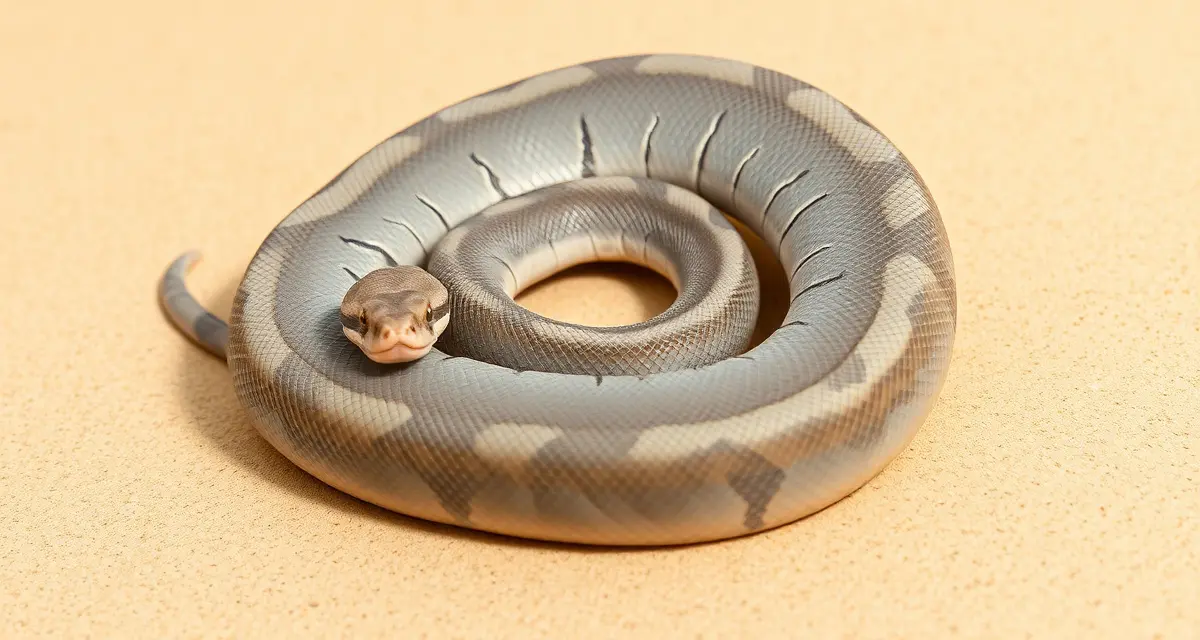
Pewters have a distinctive look: darker than straight Pastels but with the brightening effect of Pastel modifying the dark Cinnamon base. The result is a brownish-gold animal with vivid pattern contrast, the alien heads are prominent, often with orange and dark brown contrast. They photograph exceptionally well.
Retail for quality Pewters runs $150-$300 depending on gender, quality, and what additional genes they carry.
Super Forms
Because Pewter contains two separate genes, there's no "super Pewter." But you can have:
- Super Pastel Cinnamon: two Pastels + one Cinnamon, extremely vivid, yellow-gold
- Super Cinnamon Pastel: one Pastel + two Cinnamons, much darker, chocolate-brown with gold; related to Super Cinnamon concerns (see below)
- Super Pastel Super Cinnamon: double super, striking but producing Super Cinnamon animals raises health concerns (see lethal combo section)
Pewter Combos
- Pewter Clown: one of the most commercially popular three-gene combos; vivid, clean, consistent sell; retail $800-$1,500
- Pewter Pied: white-based with vivid Pewter saddles; retail $600-$1,200
- Pewter Enchi: vivid tri-gene animal; retail $400-$800
- Pewter GHI: dark, dramatic animals; retail $500-$900
- Pewter Spider: wobble consideration, but very vivid phenotype; retail $250-$450
Important Health Note: Super Cinnamon
Super Cinnamon (two copies of Cinnamon) is a lethal gene combination in ball pythons. Animals carrying two copies of Cinnamon are born with severe spinal kinking and typically die shortly after hatch or are euthanized. When running Cinnamon x Cinnamon or Pewter x Pewter pairings, expect Super Cinnamons in your clutches. Know this ahead of time. Similarly, Black Pastel is allelic with Cinnamon, Super Black Pastel carries the same risk.
Plan Pewter pairings carefully to avoid unnecessarily high percentages of Super Cinnamon in clutches.
Breeding Pewter Ball Pythons
Setting Up Pairings
The most efficient route to Pewters is a Pastel female x Cinnamon male (or vice versa). A 6-egg clutch from this pairing should statistically contain 1-2 Pewters plus Pastels, Cinnamons, and normals, a fully saleable clutch.
Track lock dates carefully. Pastel females can be prolific breeders and often lock willingly. Log every introduction and confirmed lock in HatchLedger to ensure your expected lay window calculation is accurate.
Hatchling ID
At hatch, Pewter hatchlings are usually identifiable, they have that characteristic dark-gold tone with vivid pattern contrast. Pastels and Cinnamons in the same clutch are also fairly straightforward to identify when compared side by side.
Pricing Pewter Ball Pythons
| Animal | Retail Range |
|--------|-------------|
| Pewter (female) | $200-$350 |
| Pewter (male) | $150-$250 |
| Pewter Clown | $800-$1,500 |
| Pewter Pied | $600-$1,200 |
| Pewter Enchi | $400-$800 |
| Pewter GHI | $500-$900 |
Related Articles
- Banana Ball Python: Genetics, Breeding Outcomes and Pricing
- Black Magic Ball Python: Genetics, Breeding Outcomes and Pricing
- Black Pastel Ball Python: Genetics, Breeding Outcomes and Pricing
- Bumble Bee Ball Python: Genetics, Breeding Outcomes and Pricing
FAQ
Is Pewter a single gene or a combination?
Pewter is a combination of Pastel + Cinnamon. It's not a standalone morph with its own gene. You need both Pastel and Cinnamon present in the same animal to produce a Pewter. This means you can't buy a "Pewter het Clown", you'd be buying a "Pastel Cinnamon het Clown."
How do professional breeders handle Pewter ball python pairings?
Most experienced breeders run Pastel x Cinnamon pairings primarily for the Pewter production but appreciate that every animal in the clutch (Pastel, Cinnamon, Pewter, normal) is sellable. They typically add a recessive component, het Clown or het Pied, to both parents so that every phenotype in the clutch also carries hidden recessive genetics, which raises the value of the entire output.
What is Pewter Ball Python: Genetics, Breeding Outcomes and Pricing?
The Pewter Ball Python is a combination morph produced by pairing Pastel and Cinnamon, two co-dominant genes. It is not a standalone gene you can purchase or isolate — both Pastel and Cinnamon must be present in a single animal to produce the Pewter visual. The result is a cleaner, commercially consistent pattern and coloration that has held strong retail demand across the ball python hobby for years.
How much does Pewter Ball Python: Genetics, Breeding Outcomes and Pricing cost?
Pewter Ball Pythons typically retail between $75 and $200 for standard examples, depending on breeder, region, and overall quality. When stacked with high-value recessive or co-dominant genes — such as Clown, Pied, or Axanthic — prices can climb significantly higher. Basic Pewters have become more affordable as production volume has increased, but well-combined Pewter projects remain competitively priced in the current market.
How does Pewter Ball Python: Genetics, Breeding Outcomes and Pricing work?
Pewter works through co-dominant inheritance. Pastel and Cinnamon each express visually in single copy and produce distinct super forms in double copy. When an animal carries one copy of each gene simultaneously, the combined visual expression produces the Pewter phenotype. Breeding a Pewter to a normal ball python gives statistically equal odds of producing Pastel, Cinnamon, Pewter, or normal offspring in each egg.
What are the benefits of Pewter Ball Python: Genetics, Breeding Outcomes and Pricing?
Pewter offers breeders a reliable, visually appealing combo morph that emerges naturally from Pastel and Cinnamon projects already in production. It stacks well with a wide range of recessive and co-dominant genes, making it a versatile building block for higher-value combos. Its consistent commercial demand and recognizable appearance also make Pewter animals relatively straightforward to sell compared to more obscure or oversaturated morphs.
Who needs Pewter Ball Python: Genetics, Breeding Outcomes and Pricing?
Pewter Ball Pythons suit intermediate to experienced keepers interested in morph genetics and breeding projects. Collectors who want a visually clean combo without a high entry price will find Pewter appealing. Breeders already working with Pastel or Cinnamon lines will produce Pewters as a natural output and can use them to build more complex combos. They are not recommended as a first snake due to breeding project complexity.
How long does Pewter Ball Python: Genetics, Breeding Outcomes and Pricing take?
Ball pythons reach breeding maturity based on weight rather than age — females are typically ready at 1,200–1,500 grams, usually around 2–3 years old. Once paired, ovulation to egg laying takes roughly 30–45 days. Eggs incubate for approximately 55–60 days at 88–90°F. From pairing to hatchlings, the full cycle commonly spans 4–6 months depending on the female's condition and breeding response.
Sources
- USARK (United States Association of Reptile Keepers)
- World of Ball Pythons (WoBP genetics reference database)
- Association of Reptilian and Amphibian Veterinarians (ARAV)
- MorphMarket (reptile industry marketplace data)
- Ball Python community genetics documentation
Get Started with HatchLedger
Tracking Pewter genetics through multiple generations requires connected records that link parent morphs, clutch outcomes, and het status for every animal in your collection. HatchLedger's genetics engine handles this automatically, making buyer documentation accurate and complete. Try it free with up to 20 animals.