Russo Ball Python: Genetics, Breeding Outcomes and Pricing
By HatchLedger Editorial Team · Published 2025-05-13 · Updated Mar 13, 2026
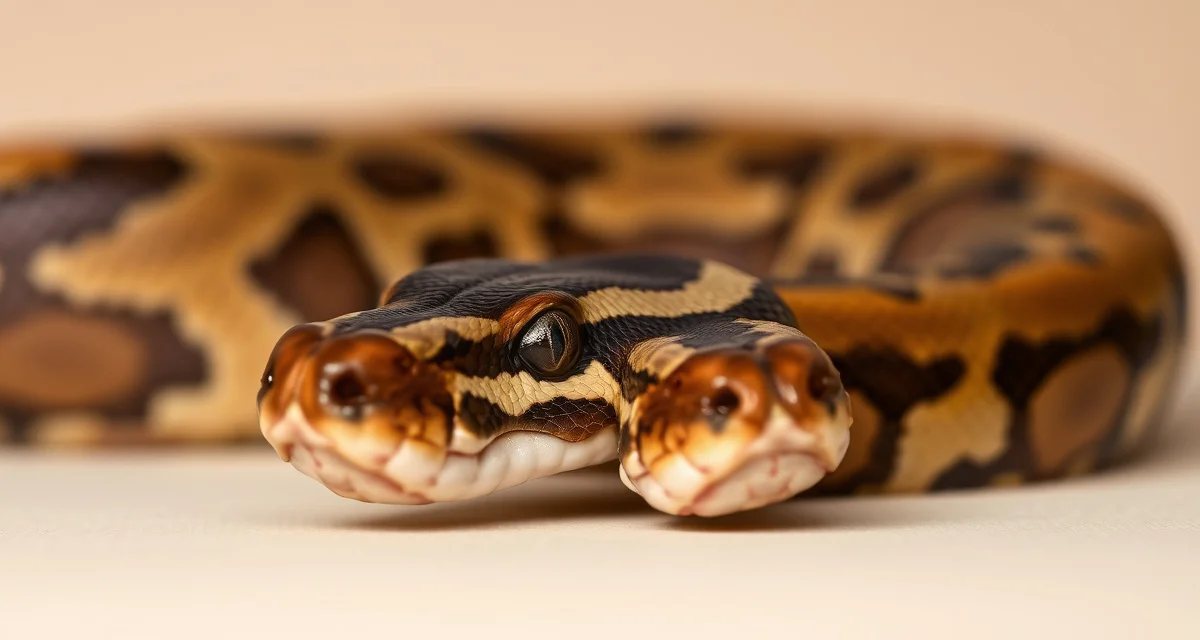
Russo is a co-dominant morph that's closely related to, and possibly allelic with, Hidden Gene Woma (HGW). Single-gene Russo animals show subtle pattern disruption, with fragmented banding and a distinctive head pattern. The super form is dramatically different: near-white, with pink or lavender blushing that makes it one of the more unusual leucistic-adjacent animals in ball pythons. Russo is a niche morph but has dedicated breeders who produce some genuinely interesting combinations.
TL;DR
- The Russo morph is a documented genetic variant in ball pythons with established inheritance pattern and pricing history.
- Co-dominant morphs express visually in single copy and produce a distinct super form in double copy (with exceptions like Spider where the super is non-viable).
- Recessive morphs require two copies to be visually expressed; single-copy carriers (hets) look identical to normal ball pythons.
- Documented het claims backed by parentage records are worth significantly more at resale than unverified possible-het claims.
- Market prices for any given morph are heavily influenced by production volume, demand trends, and whether the morph stacks well with high-value genes.
Russo Genetics
Russo is co-dominant. One copy = single-gene Russo phenotype. Two copies = Super Russo. Because Russo is allelic with or very closely related to HGW, breeding Russo to HGW produces a compound heterozygous animal that's different from either super form.
Single-Gene Russo Appearance
Single-gene Russo animals show disrupted banding, the pattern appears broken or compressed, with a distinctive head marking. Like single-gene HGW, these can be subtle. Side-by-side comparison with a normal makes the differences clear. Retail: $100-$175.
Super Russo
Super Russo animals are near-leucistic: very light coloration, often white or off-white with pink or lavender blushing. They're commercially interesting for buyers who want an unusual leucistic-adjacent animal at a lower price than a true BEL. Retail: $350-$600.
Russo x HGW Compound
If Russo and HGW are allelic, pairing them produces an animal that carries one copy of each. These compound animals (Russo HGW or HGW Russo) look different from either super form, usually lighter-colored but with pattern elements from both genes. Retail for these varies, typically $300-$600.
Russo Combos
- Russo Pastel: brighter, more vivid pattern; retail $150-$300
- Russo Clown: striking combo; retail $700-$1,200
- Russo Pied: white-based with fragmented Russo pattern in saddles; retail $600-$1,000
- Russo Enchi: orange animals with pattern disruption; retail $200-$400
- Russo GHI: very dark unusual animals; retail $300-$600
Breeding Russo Ball Pythons
Pairing Strategy
Russo is most valuable as a combo building block. The super form is attractive but the real money is in Russo pairings with recessives. Building Russo into a het Clown or het Pied female adds significant value to offspring without dramatically increasing input costs.
Standard protocol: breeding season October-March, introductions every 10-14 days, log every lock. Russo females breed the same as any ball python, no gene-specific behavioral differences.
Identifying Russo Hatchlings
Like HGW, single-gene Russo can be subtle at hatch. Photograph every animal from a Russo pairing. Look for the fragmented band pattern and head marking. If you're not confident in an ID, rear the animal to feeding stability before selling.
Log your identification confidence level in HatchLedger's hatchling notes. That way your records reflect uncertainty rather than false confidence that could mislead a buyer.
HGW x Russo Pairings
If you have both HGW and Russo animals, deliberate cross-pairings can be interesting. Produce a clutch, photograph all offspring, and expect to see: normals, HGW, Russo, and HGW/Russo compounds. Each has a different visual phenotype and price point. Document each carefully using HatchLedger's multi-gene tagging before animals are sold.
Incubation
88-90°F, 88-100% humidity, 55-65 days. Standard ball python parameters apply.
Pricing Russo Ball Pythons
| Animal | Retail Range |
|--------|-------------|
| Single-gene Russo (female) | $125-$225 |
| Single-gene Russo (male) | $100-$175 |
| Super Russo | $350-$600 |
| Russo HGW Compound | $300-$600 |
| Russo Pastel | $150-$300 |
| Russo Clown | $700-$1,200 |
| Russo Pied | $600-$1,000 |
| Russo Enchi | $200-$400 |
Using HatchLedger for Russo Projects
The naming confusion between Russo and HGW is a real issue in the hobby. Buyers want to know which gene they're getting, and sellers need to document that clearly. HatchLedger lets you tag each animal with its specific gene (Russo vs. HGW) and source, so your records are unambiguous.
When producing compound Russo HGW animals, the lineage engine records both gene markers and both parent IDs. The buyer pack generator creates documentation showing exactly what genes the animal carries and where each came from, the kind of documentation that commands premium prices and repeat buyers.
Related Articles
- Banana Ball Python: Genetics, Breeding Outcomes and Pricing
- Black Magic Ball Python: Genetics, Breeding Outcomes and Pricing
- Black Pastel Ball Python: Genetics, Breeding Outcomes and Pricing
- Bumble Bee Ball Python: Genetics, Breeding Outcomes and Pricing
FAQ
Is Russo the same gene as Hidden Gene Woma?
This is genuinely contested in the hobby. The current understanding is that Russo and HGW are allelic, they sit at the same genetic locus. This means they interact when paired together, producing compound animals that are neither super Russo nor super HGW. Some breeders treat them as the same morph; others maintain a distinction. If you're purchasing either, get lineage documentation and know which specific line the animal comes from.
How do professional breeders value Russo animals vs HGW animals?
In general, breeders who have confirmed lineage documentation and can clearly label animals as Russo vs. HGW charge similar prices for each. The compound animal (Russo x HGW cross) often commands a modest premium because it's unusual. Breeders who can't distinguish their animals confidently tend to sell at lower prices or under generic labels.
What is Russo Ball Python: Genetics, Breeding Outcomes and Pricing?
The Russo ball python is a co-dominant morph characterized by subtle pattern disruption in single-gene form, including fragmented banding and a distinctive head pattern. In double copy, the Super Russo presents as a near-white animal with pink or lavender blushing, making it one of the more visually striking leucistic-adjacent morphs in ball pythons. Russo is also notable for its close genetic relationship — and possible allelism — with Hidden Gene Woma (HGW).
How much does Russo Ball Python: Genetics, Breeding Outcomes and Pricing cost?
Single-gene Russo ball pythons typically range from around $150 to $400 depending on sex, lineage, and combo genes. Super Russos command higher premiums due to their dramatic appearance, often selling between $400 and $1,000+. Combination morphs pairing Russo with high-value recessives or co-dominants can push prices significantly higher. As with most niche morphs, market pricing fluctuates based on production volume, breeder reputation, and current demand trends.
How does Russo Ball Python: Genetics, Breeding Outcomes and Pricing work?
Russo follows co-dominant inheritance. A ball python carrying one copy of the Russo gene expresses the single-gene phenotype — visible pattern changes compared to a normal. When two copies are combined, the animal expresses the Super Russo form. Because Russo may be allelic with HGW, pairing Russo to HGW can produce unexpected or incompatible outcomes, so breeders should research allelic relationships carefully before planning pairings.
What are the benefits of Russo Ball Python: Genetics, Breeding Outcomes and Pricing?
Russo adds a visually distinct, niche aesthetic to breeding projects without requiring the two-copy investment needed for recessive morphs to express. The Super Russo's leucistic-adjacent appearance is highly sought after, and single-gene animals are immediately recognizable. Russo also stacks well with other co-dominants and recessives, allowing breeders to build complex, high-value combos. Its documented genetics and parentage history make verified animals easier to price and sell with confidence.
Who needs Russo Ball Python: Genetics, Breeding Outcomes and Pricing?
Russo ball pythons appeal primarily to intermediate and experienced ball python breeders looking to develop niche combo projects. Collectors drawn to unusual leucistic-adjacent animals are the main buyers for Super Russos. Breeders who work with Hidden Gene Woma should also understand Russo due to potential allelism. First-time buyers entering the morph market can start with single-gene Russo animals, which are accessible in price and immediately visually expressive.
How long does Russo Ball Python: Genetics, Breeding Outcomes and Pricing take?
Ball pythons reach breeding maturity based on size rather than age — females are typically ready at around 1,500g, usually achieved between 18 months and 3 years depending on feeding regimen. Once a Russo pairing is set up, incubation runs approximately 55 to 60 days at standard ball python temperatures. From egg to hatchling, breeders should budget 2 to 3 months of incubation time on top of the grow-out period before breeding.
Sources
- USARK (United States Association of Reptile Keepers)
- World of Ball Pythons (WoBP genetics reference database)
- Association of Reptilian and Amphibian Veterinarians (ARAV)
- MorphMarket (reptile industry marketplace data)
- Ball Python community genetics documentation
Get Started with HatchLedger
Tracking Russo genetics through multiple generations requires connected records that link parent morphs, clutch outcomes, and het status for every animal in your collection. HatchLedger's genetics engine handles this automatically, making buyer documentation accurate and complete. Try it free with up to 20 animals.