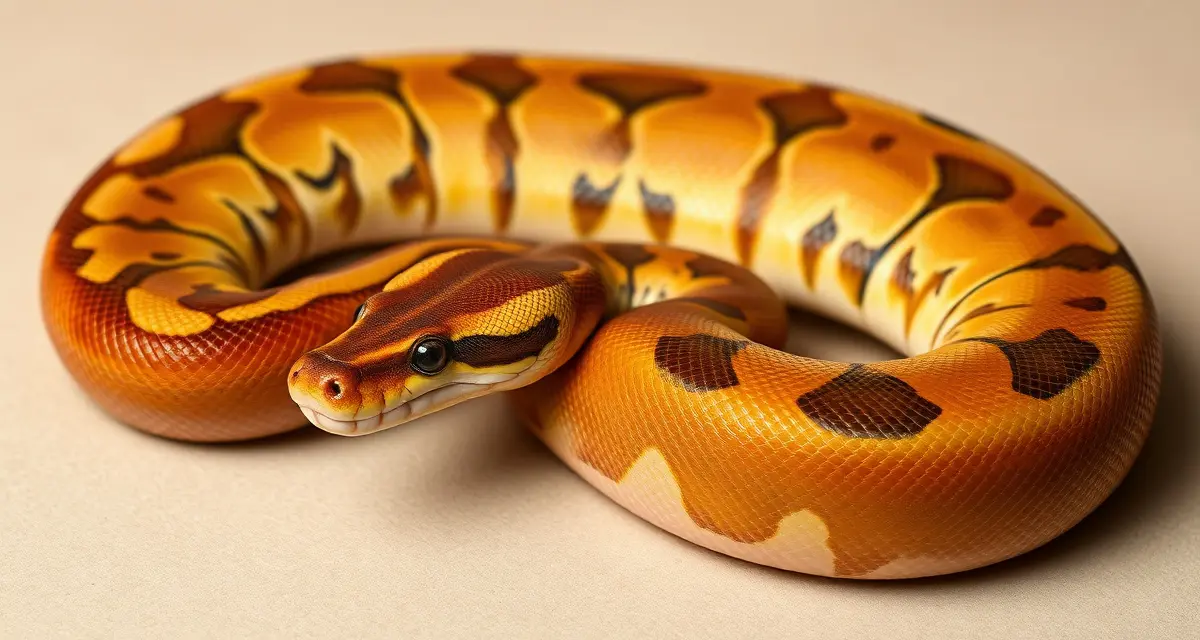
Super Cinnamon Ball Python: Genetics, Breeding Outcomes and Pricing
By HatchLedger Editorial Team · Published 2025-04-26 · Updated Mar 13, 2026
Super Cinnamon is the homozygous form of the Cinnamon gene, and it's one of the most important subjects in responsible ball python breeding. Two copies of Cinnamon produce hatchlings with severe, life-threatening spinal kinking. Super Cinnamons are almost universally euthanized at hatch because they cannot live normal lives. This article covers the genetics fully so breeders can make informed pairing decisions, because Cinnamon is widely used and Super Cinnamon production is something you'll encounter whether you plan for it or not.
TL;DR
- The Super Cinnamon morph is a documented genetic variant in ball pythons with established inheritance pattern and pricing history.
- Co-dominant morphs express visually in single copy and produce a distinct super form in double copy (with exceptions like Spider where the super is non-viable).
- Recessive morphs require two copies to be visually expressed; single-copy carriers (hets) look identical to normal ball pythons.
- Documented het claims backed by parentage records are worth significantly more at resale than unverified possible-het claims.
- Market prices for any given morph are heavily influenced by production volume, demand trends, and whether the morph stacks well with high-value genes.
Super Cinnamon Genetics: The Essential Facts
Cinnamon is a co-dominant morph. Single-gene Cinnamons are healthy animals. Two copies (Super Cinnamon) produce a severely compromised hatchling with kinking of the spine that makes normal locomotion impossible.
This means Cinnamon x Cinnamon pairings should not be made. Any pairing of two Cinnamon-carrying animals, Cinnamon x Cinnamon, Cinnamon x Pewter (which is Cinnamon + Pastel), Pewter x Pewter, Cinnamon x Super Cinnamon (if one somehow survived), risks producing Super Cinnamon hatchlings.
What Is Allelic to Cinnamon?
Black Pastel is allelic with Cinnamon. They sit at the same locus. This means:
- Black Pastel x Cinnamon produces compound animals (sometimes called "Super Black Pastel Cinnamon" or variations), and some of these may be severely affected
- Black Pastel x Black Pastel produces Super Black Pastel, which carries the same lethal/near-lethal outcome as Super Cinnamon
What Does a Super Cinnamon Hatchling Look Like?
Super Cinnamon hatchlings are typically very dark, almost black, with severe kinking along the spine. They cannot right themselves, struggle to move normally, and in severe cases cannot breathe properly. They require euthanasia. Some breeders encounter their first Super Cinnamon without warning, this article exists to prevent that surprise.
How Cinnamon Is Safely Used in Breeding Programs
Single-gene Cinnamon is a beautiful, valuable morph that breeders should feel comfortable using. The rule is simple: never pair two Cinnamon-carrying animals together.
Safe Cinnamon Pairings
- Cinnamon x Normal: 50% Cinnamon, 50% normal, all healthy
- Cinnamon x Pastel: 25% Cinnamon, 25% Pastel, 25% Pewter, 25% normal, all healthy
- Cinnamon x Spider: 25% Cinnamon, 25% Spider, 25% Cinnamon Spider, 25% normal, all healthy (wobble consideration applies)
- Cinnamon x any non-Cinnamon/Black Pastel gene: healthy offspring
Pairings to Avoid
- Cinnamon x Cinnamon: 25% Super Cinnamon in clutch
- Cinnamon x Pewter: Pewter carries Cinnamon, so 25% Super Cinnamon possible
- Cinnamon x Black Pastel: allelic interaction, some compound animals may be affected
- Pewter x Pewter: both parents carry Cinnamon = 25%+ Super Cinnamon possible
Using HatchLedger to Prevent Accidental Super Cinnamon Production
This is exactly where having a proper breeding management platform matters. When you're running 15-20 pairings simultaneously, it's easy to forget which animals carry Cinnamon. HatchLedger's pairing planner records the genetic makeup of each animal, so before you set up a pairing the system shows you what both parents carry.
The breeding season planner lets you review all planned pairings before breeding season starts, giving you a check opportunity to catch dangerous Cinnamon x Cinnamon configurations before eggs are laid.
Pricing Cinnamon Ball Pythons (Safely)
Cinnamon animals are priced based on single-gene phenotype and additional genes carried:
| Animal | Typical Retail |
|--------|---------------|
| Single-gene Cinnamon (female) | $100-$200 |
| Single-gene Cinnamon (male) | $75-$150 |
| Pewter (Cinnamon + Pastel, female) | $200-$350 |
| Pewter (Cinnamon + Pastel, male) | $150-$250 |
| Cinnamon Clown | $600-$1,100 |
| Cinnamon Pied | $500-$900 |
Super Cinnamon animals have no market value, they are not sold or traded. Any breeder selling Super Cinnamon animals is engaging in practices that damage both the individual animals and the reputation of the hobby.
Related Articles
- Super Mojave Ball Python: Genetics, Breeding Outcomes and Pricing
- Super Pastel Ball Python: Genetics, Breeding Outcomes and Pricing
- Super Spider Ball Python: Genetics, Breeding Outcomes and Pricing
- Albino Ball Python: Genetics, Breeding Outcomes and Pricing
FAQ
What is Super Cinnamon ball python and why is it produced?
Super Cinnamon is the homozygous Cinnamon genotype, two copies of the Cinnamon gene in one animal. It's produced when two Cinnamon-carrying animals are paired together. Super Cinnamons are born with severe spinal kinking and cannot survive normally. Responsible breeders avoid producing them by never pairing two Cinnamon-gene animals together.
How do professional breeders avoid producing Super Cinnamon hatchlings?
Experienced breeders maintain strict records of which animals carry Cinnamon and never pair two Cinnamon-gene animals. HatchLedger's breeding planner shows the genetic makeup of both animals in any planned pairing, making it straightforward to catch dangerous combinations before the breeding season starts. When acquiring new animals, breeders always verify genetics documentation before integrating animals into existing Cinnamon lines.
What is Super Cinnamon Ball Python: Genetics, Breeding Outcomes and Pricing?
Super Cinnamon is the homozygous (double-copy) form of the Cinnamon gene in ball pythons. When two copies of the Cinnamon gene are inherited, the resulting hatchling expresses severe neurological and spinal defects, including life-threatening kinking. Unlike single-copy Cinnamons, which are healthy and visually distinct, Super Cinnamons cannot survive or thrive normally. Understanding this outcome is essential for any breeder working with Cinnamon, as the gene is widely used in combo morphs and Super Cinnamons will statistically appear in certain pairings.
How much does Super Cinnamon Ball Python: Genetics, Breeding Outcomes and Pricing cost?
Super Cinnamon ball pythons have no commercial market value because they are not viable animals. Single-copy Cinnamon ball pythons typically sell for $50–$150 depending on sex and locale, while Cinnamon combos command higher prices based on the additional genes involved. The real pricing consideration is avoiding the welfare and financial cost of producing non-viable Super hatchlings. Documented het Cinnamon animals with verified parentage records carry a meaningful premium over unverified possible-hets in resale markets.
How does Super Cinnamon Ball Python: Genetics, Breeding Outcomes and Pricing work?
Cinnamon is a co-dominant gene, meaning one copy produces a visible phenotype and two copies produce a distinct super form. When two Cinnamon animals are paired—or a Cinnamon is paired with a het Cinnamon—statistically 25% of offspring will inherit two copies. These double-copy hatchlings develop severe spinal deformities in ovo and are almost universally non-viable at hatch. The mechanism is not fully understood but is consistent and well-documented across the breeding community.
What are the benefits of Super Cinnamon Ball Python: Genetics, Breeding Outcomes and Pricing?
For breeders, understanding Super Cinnamon genetics prevents unintentional production of non-viable hatchlings and supports responsible pairing decisions. Cinnamon is a highly versatile gene that stacks well with many other morphs, making it popular in combo projects. Knowing the super form outcome allows breeders to structure pairings that harness Cinnamon's visual benefits while avoiding Cinnamon-to-Cinnamon crosses. This knowledge also improves record-keeping credibility and supports accurate pricing when selling single-copy animals.
Who needs Super Cinnamon Ball Python: Genetics, Breeding Outcomes and Pricing?
Any breeder working with Cinnamon ball pythons—or purchasing animals carrying the gene—needs to understand Super Cinnamon outcomes. This is especially important for hobbyists new to co-dominant genetics who may not anticipate super form viability issues. Buyers of Cinnamon combos should also understand what genes are present in their animals before planning future pairings. Even breeders not intentionally working with Cinnamon may encounter it through combo animals where it is a secondary gene.
How long does Super Cinnamon Ball Python: Genetics, Breeding Outcomes and Pricing take?
There is no time investment associated with Super Cinnamon as a morph, since these animals are not raised. The relevant timeline is in breeding planning: ball pythons reach breeding maturity at roughly 18–24 months for females and 12–18 months for males. Incubation runs approximately 55–60 days. Breeders working with Cinnamon should plan pairings well in advance, ensuring parentage records are documented to support het verification and maintain the accuracy of claims passed to future buyers.
Sources
- USARK (United States Association of Reptile Keepers)
- World of Ball Pythons (WoBP genetics reference database)
- Association of Reptilian and Amphibian Veterinarians (ARAV)
- MorphMarket (reptile industry marketplace data)
- Ball Python community genetics documentation
Get Started with HatchLedger
Tracking Super Cinnamon genetics through multiple generations requires connected records that link parent morphs, clutch outcomes, and het status for every animal in your collection. HatchLedger's genetics engine handles this automatically, making buyer documentation accurate and complete. Try it free with up to 20 animals.