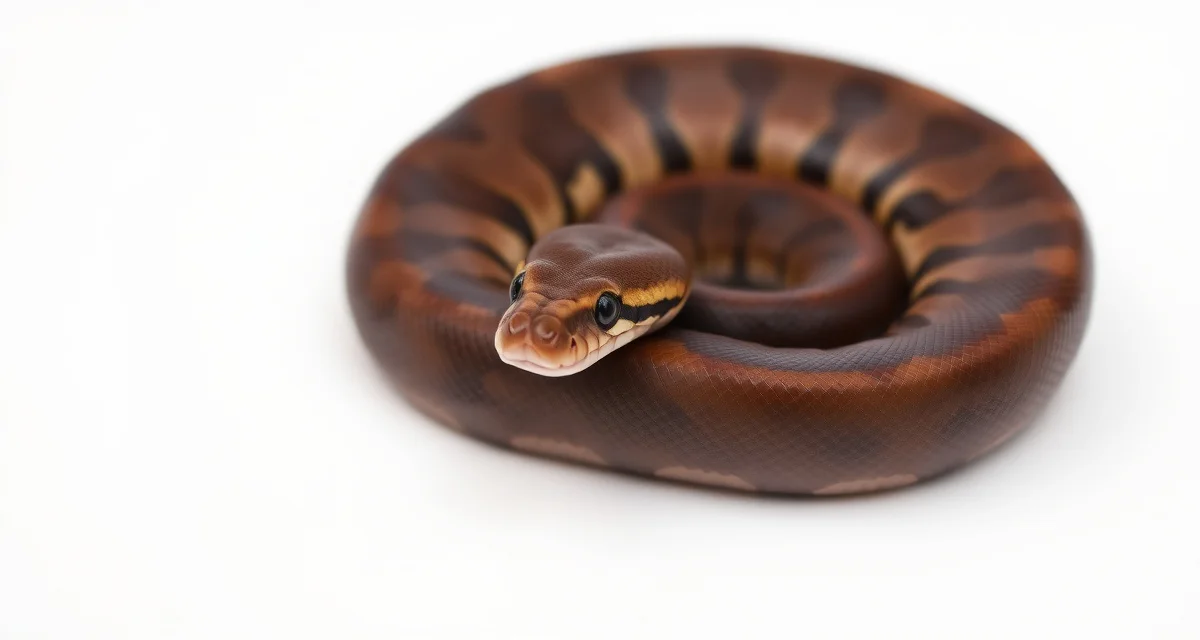
Cinnamon Ball Python: Genetics, Breeding Outcomes and Pricing
By HatchLedger Editorial Team · Published 2025-02-21 · Updated Mar 13, 2026
Cinnamon is a co-dominant morph that earns its place in breeding programs through the value of its super form, the Super Cinnamon is one of the darkest, most dramatic single-gene animals in the hobby, and its stacking potential with other darkening genes like GHi and Black Pastel.
TL;DR
- The Cinnamon morph is a documented genetic variant in ball pythons with established inheritance pattern and pricing history.
- Co-dominant morphs express visually in single copy and produce a distinct super form in double copy (with exceptions like Spider where the super is non-viable).
- Recessive morphs require two copies to be visually expressed; single-copy carriers (hets) look identical to normal ball pythons.
- Documented het claims backed by parentage records are worth significantly more at resale than unverified possible-het claims.
- Market prices for any given morph are heavily influenced by production volume, demand trends, and whether the morph stacks well with high-value genes.
Cinnamon Genetics
Cinnamon is co-dominant and allelic with Black Pastel. This allelic relationship is critical for project planning, combining Cinnamon and Black Pastel in the same animal produces a super-like outcome even without two copies of the same gene.
From Cinnamon × normal:
- 50% Cinnamon
- 50% normal
From Cinnamon × Cinnamon:
- 25% Super Cinnamon
- 50% Cinnamon
- 25% normal
From Cinnamon × Black Pastel (allelic interaction):
- 25% Super Cinnamon/Black Pastel compound
- 25% Cinnamon
- 25% Black Pastel
- 25% normal
The Cinnamon/Black Pastel compound produces a very dark, extremely pattern-reduced animal, often described as similar to a Super Cinnamon in appearance but with subtle differences based on the specific allelic combination.
Super Cinnamon: A Dramatic Super Form
Super Cinnamon is one of the most visually striking super forms in ball python breeding. Where Super Pastel produces an extremely bright yellow animal, Super Cinnamon goes the opposite direction, extremely dark, near-black, with a pattern that's almost completely reduced to a deep brown-black body with a lighter brown head area.
Super Cinnamon animals are identifiable at hatch by their dramatically dark coloration. They're valued by collectors who appreciate dark aesthetics and as combo parents for producing dark-themed combos.
Visual Identification
Single-copy Cinnamon animals show:
- Browner, more golden-brown base coloration (less yellow-green than normals)
- Reduced, somewhat faded-looking pattern
- Distinctive alien-head pattern that's often more brown-toned
- Slightly darker overall appearance than normal
The contrast between single Cinnamon and Super Cinnamon is dramatic. Breeders familiar with the morph recognize singles easily; newcomers sometimes confuse them with normals or certain Pastel animals.
Cinnamon in Combos
Cinnamon Pastel (Pewter): The Pewter is one of the most classic ball python combos, Pastel's brightening layered with Cinnamon's darkening creates a golden-brown animal with characteristic pattern. Still widely produced and sold.
Cinnamon Clown: Dark, rich-toned Clown pattern.
Cinnamon Pied: Brown-toned patterned sections against white.
Super Cinnamon Clown: Premium dark combo animal.
Cinnamon GHi: Extreme darkening from both genes. Collector-oriented.
Cinnamon Spider (Black Spider, etc.): Dark spider combo. Disclose wobble.
Pricing
| Animal | Typical Market Price |
|---|---|
| Cinnamon (male) | $60-$120 |
| Cinnamon (female) | $120-$250 |
| Super Cinnamon (male) | $150-$350 |
| Super Cinnamon (female) | $300-$700 |
| Pewter (Pastel Cinnamon, male) | $100-$200 |
| Pewter (female) | $200-$400 |
| Cinnamon Clown (male) | $500-$900 |
| Cinnamon Clown (female) | $1,200-$2,500 |
The Allelic Relationship with Black Pastel
This is worth emphasizing: Cinnamon and Black Pastel are allelic. If you breed a Cinnamon to a Black Pastel, no animal in that clutch will be both Cinnamon and Black Pastel (carrying one of each as separate independent genes). Instead, some will inherit Cinnamon from one parent, some will inherit Black Pastel from the other, and some will inherit both, producing the compound super-like form.
If you're building a project that uses multiple darkening co-dominants, understand this allelic relationship and plan accordingly. You can't produce an animal that's "super" for both Cinnamon and Black Pastel independently, they're the same locus.
Related Articles
- Bamboo Ball Python: Genetics, Breeding Outcomes and Pricing
- Banana Ball Python: Genetics, Breeding Outcomes and Pricing
- Black Magic Ball Python: Genetics, Breeding Outcomes and Pricing
- Black Pastel Ball Python: Genetics, Breeding Outcomes and Pricing
FAQ
What is the best approach to cinnamon ball python morph?
Cinnamon is best used for Super Cinnamon production (dark, dramatic super form) and for combo building with high-demand recessives. Understand the allelic relationship with Black Pastel before mixing these genes, they can't be stacked independently. Pewter (Cinnamon Pastel) remains a reliably sellable combo that's a good base for adding recessives.
How do professional breeders handle cinnamon ball python morph?
Professional Cinnamon breeders focus on Super Cinnamon production as a standalone value animal and use Cinnamon in darker-aesthetic combo programs (Clown, Pied, GHi). They maintain clear documentation of the Cinnamon/Black Pastel allelic relationship to avoid planning errors in future pairings.
What software helps manage cinnamon ball python morph?
HatchLedger is purpose-built for reptile breeders, connecting animal records, breeding history, clutch outcomes, and financial tracking in one connected system. Unlike general spreadsheets or notes apps, it's designed around the specific workflow of an active breeding season -- from pairing records through hatchling inventory and sales documentation. Free for up to 20 animals.
What is Cinnamon Ball Python: Genetics, Breeding Outcomes and Pricing?
The Cinnamon Ball Python is a co-dominant morph with a well-documented genetic lineage. In single copy, it produces a visually distinct animal with warmer, darker tones than a normal ball python. In double copy, it creates the Super Cinnamon — one of the darkest single-gene morphs in the hobby. Cinnamon is also allelic with Black Pastel, meaning combining both genes produces a super-like outcome without needing two copies of the same allele.
How much does Cinnamon Ball Python: Genetics, Breeding Outcomes and Pricing cost?
Cinnamon ball pythons typically range from $50–$150 for single-gene animals, depending on sex, lineage, and seller. Super Cinnamons command higher prices, often $200–$400+, due to their striking appearance and breeding value. Combo morphs incorporating Cinnamon alongside high-demand genes like Clown, Pied, or Axanthic can fetch significantly more. Prices fluctuate based on production volume and current market demand, so checking recent sales from reputable breeders gives the most accurate snapshot.
How does Cinnamon Ball Python: Genetics, Breeding Outcomes and Pricing work?
Cinnamon follows co-dominant inheritance. Breed a Cinnamon to a normal and you get roughly 50% Cinnamon offspring and 50% normals. Breed two Cinnamons together and you produce 25% Super Cinnamon, 50% Cinnamon, and 25% normal. Because Cinnamon is allelic with Black Pastel, pairing Cinnamon × Black Pastel yields a Black-Cinnamon super form instead of a true Super Cinnamon — an important distinction for project planning and labeling offspring accurately.
What are the benefits of Cinnamon Ball Python: Genetics, Breeding Outcomes and Pricing?
Cinnamon's primary value in a breeding program is its super form and stacking potential. The Super Cinnamon is a visually dramatic animal that sells well on its own. More importantly, Cinnamon stacks powerfully with other darkening genes like GHi and Black Pastel to create deeply melanistic combos. Its co-dominant expression means every clutch from a Cinnamon pairing produces visual offspring — no waiting on recessive odds — making it an efficient and rewarding gene to work with.
Who needs Cinnamon Ball Python: Genetics, Breeding Outcomes and Pricing?
Cinnamon ball pythons suit breeders at every level. Beginners benefit from the straightforward co-dominant inheritance and the guarantee of visual offspring in every clutch. Intermediate breeders use Cinnamon as a foundation for darkening combos and super-form projects. Advanced collectors pursue complex multi-gene animals where Cinnamon contributes depth and contrast. Anyone interested in melanistic aesthetics — deep blacks, rich browns, high contrast patterns — will find Cinnamon a versatile and consistently marketable gene to incorporate.
Sources
- USARK (United States Association of Reptile Keepers)
- World of Ball Pythons (WoBP genetics reference database)
- Association of Reptilian and Amphibian Veterinarians (ARAV)
- MorphMarket (reptile industry marketplace data)
- Ball Python community genetics documentation
Get Started with HatchLedger
Tracking Cinnamon genetics through multiple generations requires connected records that link parent morphs, clutch outcomes, and het status for every animal in your collection. HatchLedger's genetics engine handles this automatically, making buyer documentation accurate and complete. Try it free with up to 20 animals.