Yellowbelly Ball Python: Genetics, Breeding Outcomes and Pricing
By HatchLedger Editorial Team · Published 2025-02-14 · Updated Mar 13, 2026
Yellowbelly is a co-dominant morph with a super form, the Ivory, that's one of the most striking single-gene white animals in the hobby. Single Yellowbellies are subtle visually, but they're valuable as breeding tools because of what they produce in super form and what they add to certain combinations.
TL;DR
- The Yellowbelly morph is a documented genetic variant in ball pythons with established inheritance pattern and pricing history.
- Co-dominant morphs express visually in single copy and produce a distinct super form in double copy (with exceptions like Spider where the super is non-viable).
- Recessive morphs require two copies to be visually expressed; single-copy carriers (hets) look identical to normal ball pythons.
- Documented het claims backed by parentage records are worth significantly more at resale than unverified possible-het claims.
- Market prices for any given morph are heavily influenced by production volume, demand trends, and whether the morph stacks well with high-value genes.
Yellowbelly Genetics
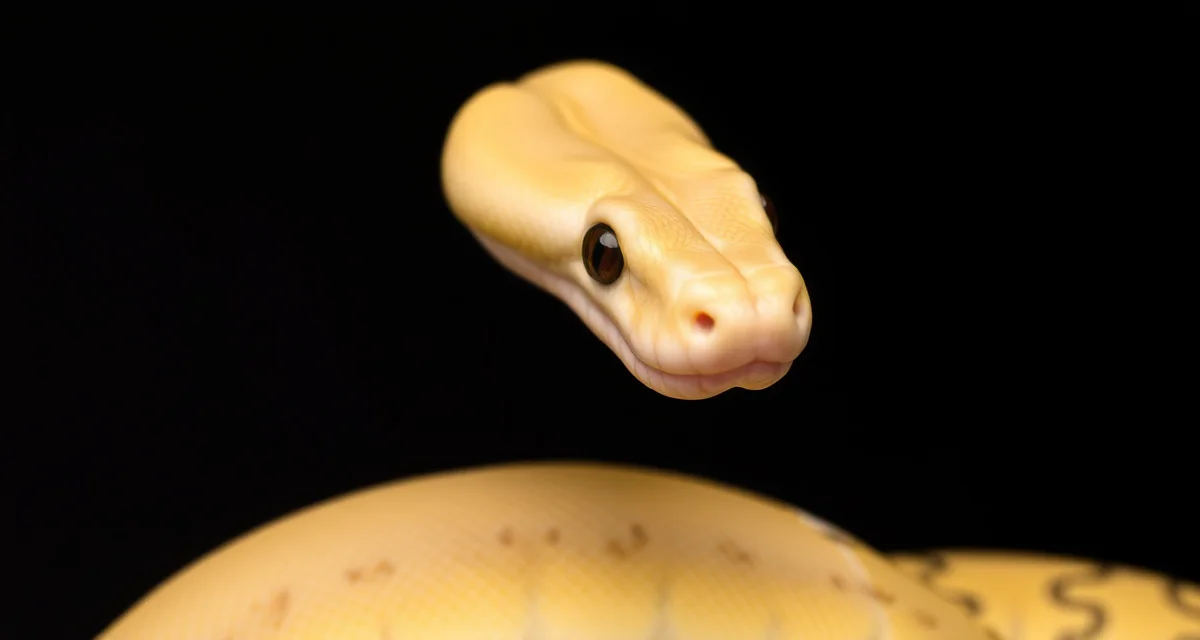
Yellowbelly is co-dominant. Single-copy animals show a yellow or gold flush on the belly (hence the name), reduced lateral pattern, and a characteristic head that often looks slightly different from normals. The body pattern is somewhat reduced, with lighter, more golden tones.
The super form, Ivory, is a pale, creamy-white animal with faint yellowish tones and reduced or absent pattern. Ivories are distinctive and immediately recognizable.
From Yellowbelly × normal:
- 50% Yellowbelly
- 50% normal
From Yellowbelly × Yellowbelly:
- 25% Ivory (Super Yellowbelly)
- 50% Yellowbelly
- 25% normal
The Ivory
Ivory animals are creamy off-white to slightly yellowish-white, with minimal pattern. The appearance is different from BEL animals (which tend to be pure white with blue eyes), Ivories have dark eyes and a warm yellow-white coloration.
Ivories are popular in their own right and as breeding animals that carry double Yellowbelly for producing 100% Yellowbelly offspring from any pairing.
Yellowbelly Complex: Asphalt and Related Alleles
Yellowbelly has related alleles, Asphalt is one of them. The relationship between Yellowbelly and Asphalt isn't always clearly documented, but they may occupy the same or adjacent loci with some allelic interaction. If you're working with both Yellowbelly and Asphalt animals, research the current understanding of their relationship before planning pairings.
Yellowbelly in Combos
Yellowbelly Pastel: Brighter animal with enhanced belly coloration.
Yellowbelly Pied: Golden belly tones in the patterned sections.
Ivory + Pastel or other combos: Pastel Ivory, GHi Ivory, etc. The Ivory base with additional genes creates distinctive premium animals.
Pricing
| Animal | Typical Market Price |
|---|---|
| Yellowbelly (male) | $80-$150 |
| Yellowbelly (female) | $150-$300 |
| Ivory (male) | $200-$400 |
| Ivory (female) | $400-$800 |
| Ivory Pastel (male) | $300-$600 |
| Ivory combo animals | $400-$1,500+ |
Related Articles
- Banana Ball Python: Genetics, Breeding Outcomes and Pricing
- Black Magic Ball Python: Genetics, Breeding Outcomes and Pricing
- Black Pastel Ball Python: Genetics, Breeding Outcomes and Pricing
- Bumble Bee Ball Python: Genetics, Breeding Outcomes and Pricing
FAQ
What is the best approach to yellowbelly ball python morph?
Yellowbelly is best used for Ivory production and as a combo-building tool in programs where the warm yellow-belly tones add visual appeal. Single Yellowbellies are modestly priced; the Ivory is a strong standalone production goal. Ivory animals are also productive breeders since they pass Yellowbelly to 100% of their offspring.
How do professional breeders handle yellowbelly ball python morph?
Professional Yellowbelly breeders maintain Ivory animals as breeding anchors for guaranteed Yellowbelly production in all offspring. They research the Yellowbelly/Asphalt allelic relationship before mixing those genes to avoid unexpected outcomes.
What software helps manage yellowbelly ball python morph?
HatchLedger is purpose-built for reptile breeders, connecting animal records, breeding history, clutch outcomes, and financial tracking in one connected system. Unlike general spreadsheets or notes apps, it's designed around the specific workflow of an active breeding season -- from pairing records through hatchling inventory and sales documentation. Free for up to 20 animals.
What is Yellowbelly Ball Python: Genetics, Breeding Outcomes and Pricing?
The Yellowbelly ball python is a co-dominant genetic morph characterized by a yellow or gold belly flush, reduced lateral patterning, and a subtly distinct head shape. Its most notable trait is its super form, the Ivory — a striking pale white animal produced when two copies of the Yellowbelly gene are present. Single-copy Yellowbellies are visually subtle but highly valued by breeders for their combination potential and their role in producing Ivories.
How much does Yellowbelly Ball Python: Genetics, Breeding Outcomes and Pricing cost?
Single Yellowbelly ball pythons typically range from around $50 to $150 depending on sex, lineage, and the seller. Ivories, the super form, generally fetch $100–$250. Prices rise significantly when Yellowbelly is stacked with high-demand genes like Clown, Piebald, or Axanthic. Verified parentage records and documented het claims command premiums over unverified animals. Market pricing fluctuates with production volume and hobby demand trends, so checking current listings on reptile marketplaces gives the most accurate real-time picture.
How does Yellowbelly Ball Python: Genetics, Breeding Outcomes and Pricing work?
Yellowbelly follows co-dominant inheritance. Breed a Yellowbelly to a normal and you get roughly 50% Yellowbelly offspring and 50% normals. Breed two Yellowbellies together and the clutch produces approximately 25% normals, 50% single Yellowbellies, and 25% Ivories. The Ivory is the visual super form — double-copy animals that express as a clean, creamy white snake. Because single copies are visually subtle, parentage records matter when buying or selling to confirm genetics accurately.
What are the benefits of Yellowbelly Ball Python: Genetics, Breeding Outcomes and Pricing?
Yellowbelly's primary benefit is as a breeding tool. Its super form, the Ivory, is one of the most visually impactful single-gene white animals in the ball python hobby. Yellowbelly also stacks cleanly with many other morphs to produce sought-after combinations. Single-copy animals are affordable entry points for breeders looking to work toward Ivories or multi-gene projects. The co-dominant inheritance makes genetic outcomes predictable, which simplifies clutch planning and reduces uncertainty in breeding programs.
Who needs Yellowbelly Ball Python: Genetics, Breeding Outcomes and Pricing?
Yellowbelly ball pythons are best suited for hobbyist and professional breeders who want a reliable, predictable co-dominant gene to anchor breeding projects. Collectors drawn to clean white animals will want Ivories specifically. Breeders building multi-gene combos benefit from Yellowbelly's stackability with other popular morphs. It's also a practical starting point for newer breeders learning co-dominant genetics, since the inheritance ratios are straightforward and the super form provides a clear, rewarding visual goal.
Sources
- USARK (United States Association of Reptile Keepers)
- World of Ball Pythons (WoBP genetics reference database)
- Association of Reptilian and Amphibian Veterinarians (ARAV)
- MorphMarket (reptile industry marketplace data)
- Ball Python community genetics documentation
Get Started with HatchLedger
Tracking Yellowbelly genetics through multiple generations requires connected records that link parent morphs, clutch outcomes, and het status for every animal in your collection. HatchLedger's genetics engine handles this automatically, making buyer documentation accurate and complete. Try it free with up to 20 animals.