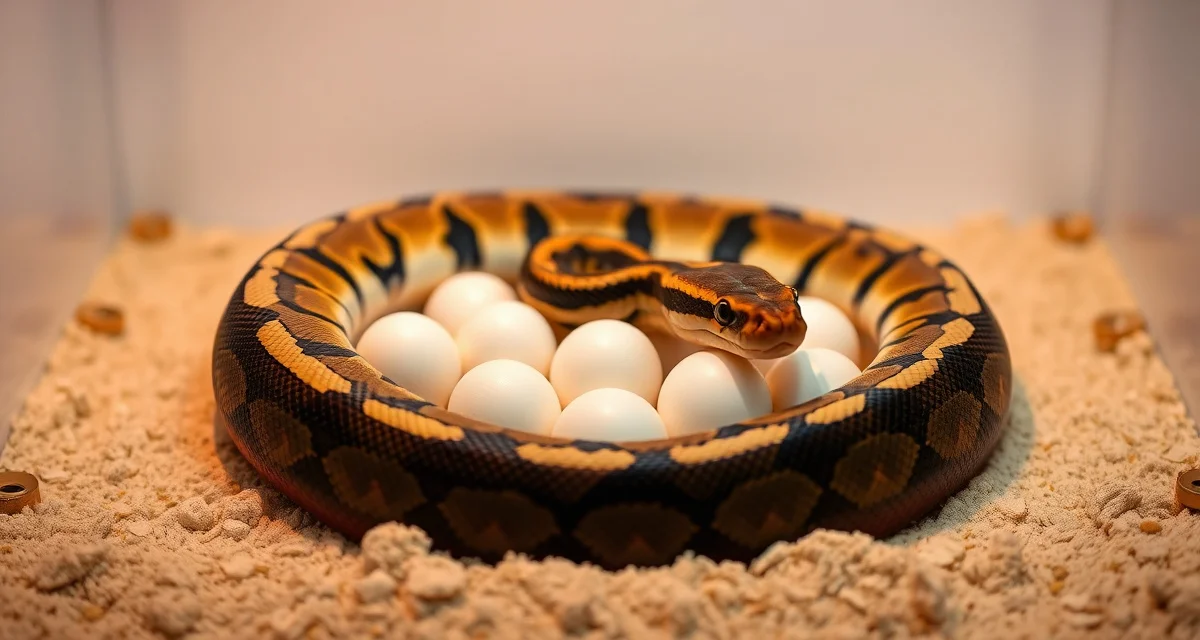
Ball Python 10-Egg Clutch: Expected Outcomes and Revenue
By HatchLedger Editorial Team · Published 2025-04-06 · Updated Mar 13, 2026
Ten eggs is exceptional by any standard. A ball python female who consistently produces 10 eggs is a rare and genuinely valuable production animal. If you have one, you have an asset that can meaningfully change your operation's annual revenue.
TL;DR
- Reptile breeders benefit most from documentation systems that connect animal records, breeding history, and financial data.
- Genetics claims are only as trustworthy as the records behind them -- parentage documentation is the evidence buyers evaluate.
- Seasonal timing and cooling protocols matter significantly for reproductive success across most captive reptile species.
- Clutch profitability analysis requires knowing actual cost per animal produced, not just gross sale revenue.
- Administrative efficiency through connected records frees time for animal care and the strategic work of project planning.
What a 10-Egg Clutch Represents
A 10-egg clutch is a notable event. Most experienced breeders go many seasons without seeing one, and some never do. When it happens, document everything: the female, her weight at breeding, the pairing, the pairing dates, and every detail of her care that season. Understanding what produced this clutch helps you replicate it.
This female should receive the absolute best pairing in your program. Paired with premium genetics, a 10-egg clutch can generate more revenue in a single season than some small operations make in a year.
Expected Genetics Outcomes
Co-dominant single-gene pairing (50% expected)
From 10 eggs: most commonly 5 carriers and 5 normals. At 10 eggs, you're approaching sample sizes where expected ratios become fairly reliable. A 5/5 split is the single most common outcome, with 4/6 or 6/4 also common.
Het x Het recessive pairing (25% visual expected)
Expected: 2.5 visuals. The most likely outcomes are 2 or 3 visuals. Getting 3 visual Clowns or 3 visual Pieds from a single 10-egg clutch is a realistic target with good luck.
Complex multi-gene pairing
At 10 eggs, even complex pairings with many possible outcomes tend to produce at least one animal in each major phenotype category. This is where a 10-egg clutch from a premium combination pairing becomes especially exciting.
Revenue Estimates for a 10-Egg Clutch
GHI x Mojave pairing
- 2 to 3 GHI Mojaves: $1,200 to $3,600
- 2 to 3 GHIs: $600 to $1,500
- 2 Mojaves: $300 to $600
- 2 to 3 normals: $100 to $240
- Rough clutch revenue: $2,200 to $5,940
Both het Clown pairing with Pastel/Enchi genes
- 2 to 3 visual Clowns with co-dom genes: $1,000 to $3,000+
- Combination het Clown animals: $400 to $900 each
- Other combination animals: variable
- Rough clutch revenue: $3,000 to $8,000+
Banana x het Pied pairing (both het Pied)
- 2 to 3 Banana Pieds: $600 to $1,500 each (female premium)
- Banana het Pieds: $300 to $600 each
- Other Banana and Pied animals: variable
- Rough clutch revenue: $2,500 to $6,000+
Scaleless project pairing
If this 10-egg female is het Scaleless and the male is het Scaleless, expected 2 to 3 visual Scaleless animals per clutch. At $3,000 to $7,000 per visual Scaleless female, a 10-egg clutch from a scaleless project can generate $6,000 to $14,000+ from Scaleless animals alone.
Post-Clutch Care for High-Output Females
After a 10-egg clutch, a female is typically in much lower body condition than before laying. She needs:
- Immediate access to water and appropriate humidity
- No forced feeding until she's ready to eat on her own
- Gradual reintroduction of prey after the first voluntary meal
- Close weight monitoring for 3 to 6 months post-lay
- Potential rest year from breeding depending on her recovery
Don't be greedy. A female who recovers fully and breeds successfully for 10 seasons is worth far more than one pushed too hard and burned out in five.
Track this female's every weight, every feeding, and every clutch in HatchLedger. Your data from a female like this is genuinely valuable. The clutch profitability calculator models what a 10-egg clutch is worth before you commit her to a pairing.
Frequently Asked Questions
What is the expected revenue from a ball python 10-egg clutch?
Revenue from a 10-egg clutch from a premium pairing can range from $2,000 to $15,000+ depending on the genetics involved. Recessive project pairings with premium morphs and high-value co-dominant genes can generate the top end of this range.
How do professional breeders manage 10-egg ball python female producers?
They pair these females with their absolute best genetics, document every detail of the successful season for replication, provide exceptional post-lay care, and often give these high-output females rest years between their most productive seasons to maintain long-term health.
What software helps manage ball python 10-egg clutch records and revenue?
HatchLedger is purpose-built for reptile breeders, connecting animal records, breeding history, clutch outcomes, and financial tracking in one system. Unlike generic spreadsheets, it's designed around the specific workflow of an active breeding season. Free for up to 20 animals.
What records should every reptile breeder maintain per animal?
At minimum: acquisition date and source, morph and genetic documentation, feeding log, weight history, any veterinary treatments, and breeding history including pairing dates, clutch of origin for captive-bred animals, and offspring records. These records serve your own management, buyer documentation, regulatory compliance, and long-term genetic tracking.
How should reptile breeders document genetics for buyers?
A complete genetic record for sale includes the animal's visual morph name, confirmed het genes and their basis (parentage documentation or proven-out production), possible het genes with probability percentages, hatch date, and parent morph information. Including clutch-of-origin records lets buyers independently verify the claims.
What is Ball Python 10-Egg Clutch: Expected Outcomes and Revenue?
A ball python 10-egg clutch refers to a single female producing ten viable eggs in one breeding season — a rare and exceptional outcome. This article on HatchLedger breaks down what breeders can realistically expect in terms of hatch rates, morph outcomes, and revenue potential when working with a high-producing female. It also covers documentation practices and cost analysis to help breeders understand the true profitability of a large clutch.
How much does Ball Python 10-Egg Clutch: Expected Outcomes and Revenue cost?
The article itself is free educational content on HatchLedger. Revenue from an actual 10-egg clutch varies widely based on genetics. Simple or common morphs may yield $100–$300 per animal, while premium pairings can produce hatchlings worth $500–$2,000 or more each. A 10-egg clutch with strong genetics can generate $5,000–$20,000+ in gross sales, making pairing decisions and documentation critical to maximizing returns.
How does Ball Python 10-Egg Clutch: Expected Outcomes and Revenue work?
A 10-egg clutch begins with a high-quality female in peak condition, paired with a compatible male during a cooling and breeding season. Successful follicle development, ovulation, and egg retention determine clutch size. Eggs are then incubated for approximately 55–60 days. This article walks through how each stage affects outcomes, how to track costs per animal produced, and how to connect breeding records to financial results.
What are the benefits of Ball Python 10-Egg Clutch: Expected Outcomes and Revenue?
Understanding expected outcomes from a 10-egg clutch helps breeders make smarter pairing decisions, price hatchlings accurately, and plan cash flow for the season. The article highlights the value of thorough documentation — recording female weight, pairing dates, and care protocols — so exceptional production can be replicated. Breeders who analyze clutch profitability beyond gross revenue gain a real competitive and financial edge.
Who needs Ball Python 10-Egg Clutch: Expected Outcomes and Revenue?
This article is written for ball python breeders at any experience level who want to move beyond guesswork and manage their operation more strategically. It's especially relevant for breeders who have produced or are aiming to produce larger clutches, those building genetics projects with premium morphs, and anyone looking to connect animal records with real financial data to run a more profitable reptile breeding business.
How long does Ball Python 10-Egg Clutch: Expected Outcomes and Revenue take?
The incubation period for ball python eggs typically runs 55–60 days at 88–90°F. The breeding season leading up to a 10-egg clutch spans several months of cooling, cycling, and pairing. From first introduction to hatchling sales, the full timeline is often 6–9 months. Planning that full cycle — including administrative tracking of costs and records — is what separates profitable clutches from ones that only look good on paper.
Related Articles
- Ball Python 8-Egg Clutch: Expected Outcomes and Revenue
- Ball Python 9-Egg Clutch: Expected Outcomes and Revenue
Sources
- USARK (United States Association of Reptile Keepers)
- Association of Reptilian and Amphibian Veterinarians (ARAV)
- World of Ball Pythons (WoBP genetics reference database)
- MorphMarket (reptile industry marketplace)
- Reptiles Magazine (Bowtie Inc.)
Get Started with HatchLedger
Reptile breeders who track animal records, breeding history, and financials in a connected system make better decisions each season and provide better documentation to buyers. HatchLedger is built for that workflow. Try it free with up to 20 animals.