Ball Python 5-Egg Clutch: Expected Outcomes and Revenue
By HatchLedger Editorial Team · Published 2025-02-21 · Updated Mar 13, 2026
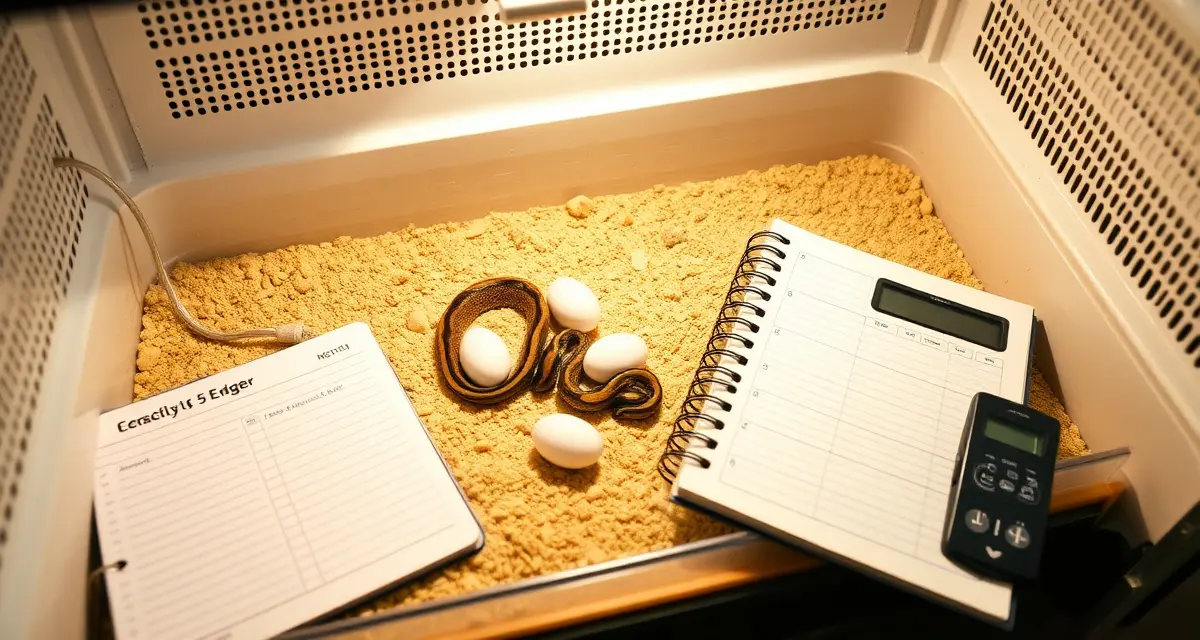
A 5-egg clutch is near the lower end of average for a healthy adult ball python female. It's a workable clutch size that typically generates a modest but real return, depending on the pairing's genetic value.
TL;DR
- Reptile breeders benefit most from documentation systems that connect animal records, breeding history, and financial data.
- Genetics claims are only as trustworthy as the records behind them -- parentage documentation is the evidence buyers evaluate.
- Seasonal timing and cooling protocols matter significantly for reproductive success across most captive reptile species.
- Clutch profitability analysis requires knowing actual cost per animal produced, not just gross sale revenue.
- Administrative efficiency through connected records frees time for animal care and the strategic work of project planning.
What to Expect from a 5-Egg Clutch
Five eggs means five shots at your expected genetic outcomes. For single-gene co-dominant pairings, this is close enough to the expected ratios to usually see something close to 50% / 50% expression. For recessive het x het pairings, you're still at notable variance from the expected 25% visual rate, but odds of hitting at least one visual are solid.
A well-conditioned, established female producing 5 eggs is consistent and fine. A female who was producing 7 to 8 eggs in previous seasons and drops to 5 warrants a look at her body condition and health status.
Expected Genetics Outcomes
Co-dominant single-gene pairing (50% expected)
From 5 eggs, most likely 2 to 3 animals carry the gene. Occasionally 4 or 5; occasionally 1. The mean outcome is 2.5, so 2 or 3 is the most common actual result.
Het x Het recessive pairing (25% visual expected)
Expected: 1.25 visuals from 5 eggs. Most commonly 1 visual; sometimes 0; rarely 2. Getting 0 visuals from a 5-egg het x het clutch happens more often than new breeders expect and doesn't indicate anything is wrong with your genetics.
Revenue Estimates for a 5-Egg Clutch
Pastel x Normal pairing (average morph values)
- 2 to 3 Pastels: $150 to $300 male / $250 to $400 female
- 2 to 3 normals: $50 to $80 each
- Rough clutch revenue: $700 to $1,400
GHI x Mojave pairing
- Expected 1 to 2 GHI Mojaves: $600 to $1,200 each
- 1 to 2 GHIs: $250 to $400 each
- 1 Mojave: $150 to $300
- 1 Normal: $50 to $80
- Rough clutch revenue: $1,050 to $2,800 (high variance)
Both het Pied pairing
- Expected 1 visual Pied: $400 to $800 (female) or $250 to $450 (male)
- 2 to 3 het Pieds: $150 to $300 each
- 1 normal: $50 to $80
- Rough clutch revenue: $850 to $1,880
Cost Basis for a 5-Egg Clutch
Fixed costs (parent amortization, electricity, substrate, female's annual feed costs allocated proportionally) don't drop because the clutch has one fewer egg than average. Your per-animal production cost from a 5-egg clutch is higher than from a 7-egg clutch from the same female.
This is why tracking per-clutch costs in detail, as you can do in HatchLedger, gives you data that average-only tracking misses. The clutch profitability calculator models expected revenue before you run a pairing, so you know what clutch size you need to break even.
Is a 5-Egg Clutch Financially Viable?
For most pairings: yes, but modestly. A 5-egg clutch from a high-value pairing (GHI x Mojave or a recessive project with premium visual potential) can return $1,500 to $3,000 in revenue after all animals sell. A 5-egg clutch from a common single-gene pairing at modest price points may barely cover the season's expenses.
Frequently Asked Questions
What is the expected revenue from a ball python 5-egg clutch?
Revenue typically ranges from $700 to $2,800 depending on the pairing's genetic value. High-value pairings with GHI Mojave or recessive visual potential can push toward the top of that range; common single-gene pairings generate more modest returns.
How do professional breeders evaluate 5-egg clutch performance?
They compare revenue against cost basis per clutch, track whether 5-egg clutches from a specific female represent a consistent pattern or a one-season deviation, and use that data to make decisions about the female's nutrition, rest scheduling, or continued production.
What software helps track 5-egg ball python clutch profitability?
HatchLedger is purpose-built for reptile breeders, connecting animal records, breeding history, clutch outcomes, and financial tracking in one connected system. Unlike general spreadsheets or notes apps, it's designed around the specific workflow of an active breeding season -- from pairing records through hatchling inventory and sales documentation. Free for up to 20 animals.
What records should every reptile breeder maintain per animal?
At minimum: acquisition date and source, morph and genetic documentation, feeding log, weight history, any veterinary treatments, and breeding history including pairing dates, clutch of origin for captive-bred animals, and offspring records. These records serve your own management, buyer documentation, regulatory compliance, and long-term genetic tracking.
How should reptile breeders document genetics for buyers?
A complete genetic record for sale includes the animal's visual morph name, confirmed het genes and their basis (parentage documentation or proven-out production), possible het genes with probability percentages, hatch date, and parent morph information. Including clutch-of-origin records lets buyers independently verify the claims.
What is Ball Python 5-Egg Clutch: Expected Outcomes and Revenue?
A 5-egg clutch from a ball python is a near-average-to-low clutch size that produces a modest but real return for breeders. This article breaks down what genetic outcomes to realistically expect from common pairings at this clutch size, how to calculate actual profitability per animal produced, and how documentation systems like HatchLedger help breeders track costs, parentage, and revenue across their breeding projects.
How much does Ball Python 5-Egg Clutch: Expected Outcomes and Revenue cost?
There is no fixed cost for a 5-egg clutch — expenses vary by pairing genetics, female acquisition cost, feeding and husbandry overhead, and incubation setup. Profitability depends on sale prices per morph produced. HatchLedger helps breeders calculate true cost-per-animal by connecting animal records, feeding logs, and breeding history so gross revenue can be weighed against actual inputs rather than estimated.
How does Ball Python 5-Egg Clutch: Expected Outcomes and Revenue work?
A 5-egg ball python clutch works by following standard incubation protocols after successful copulation and egg deposition. Eggs incubate at stable temperature and humidity for approximately 55–60 days. Genetic outcomes are determined by the parent pairing — co-dominant pairings yield roughly 50/50 expression ratios, while het x het recessive pairings carry a 25% chance per egg of producing a visual, giving solid odds across five eggs.
What are the benefits of Ball Python 5-Egg Clutch: Expected Outcomes and Revenue?
A 5-egg clutch offers breeders a manageable, lower-volume production cycle with real genetic upside depending on the pairing chosen. Key benefits include a lower hatchling care burden, meaningful odds of hitting target genetics, and a straightforward opportunity to test pairings before scaling. Tracking outcomes carefully across clutches of this size builds the data foundation breeders need to make smarter pairing decisions over time.
Who needs Ball Python 5-Egg Clutch: Expected Outcomes and Revenue?
Breeders working with established adult female ball pythons who want to evaluate pairing profitability at smaller clutch sizes will find this most relevant. It also applies to hobbyist-to-small-scale breeders transitioning to more systematic record-keeping, anyone using recessive or co-dominant projects who wants realistic genetic probability context, and breeders using HatchLedger to connect animal history, clutch data, and financial outcomes in one place.
How long does Ball Python 5-Egg Clutch: Expected Outcomes and Revenue take?
Ball python eggs typically incubate for 55 to 60 days before hatching, with some variation based on incubation temperature. The full breeding cycle — from introducing the female to a cooling protocol through successful copulation, egg deposition, and hatch — commonly spans five to seven months. Planning the season around this timeline, including proper conditioning and cooling, significantly affects clutch quality and the female's long-term reproductive health.
Related Articles
- Ball Python 8-Egg Clutch: Expected Outcomes and Revenue
- Ball Python 9-Egg Clutch: Expected Outcomes and Revenue
Sources
- USARK (United States Association of Reptile Keepers)
- Association of Reptilian and Amphibian Veterinarians (ARAV)
- World of Ball Pythons (WoBP genetics reference database)
- MorphMarket (reptile industry marketplace)
- Reptiles Magazine (Bowtie Inc.)
Get Started with HatchLedger
Reptile breeders who track animal records, breeding history, and financials in a connected system make better decisions each season and provide better documentation to buyers. HatchLedger is built for that workflow. Try it free with up to 20 animals.