Albino Ball Python Breeding Pairs: All Possible Outcomes
By HatchLedger Editorial Team · Published 2025-03-02 · Updated Mar 13, 2026
Albino is the classic ball python morph, one of the first recessives established in captive-bred collections and still one of the most recognized and desired morphs in the hobby. Understanding Albino genetics and combinations is fundamental for any serious breeder.
TL;DR
- All pairing outcomes for Albino can be calculated before putting animals together by understanding the morph's inheritance pattern.
- Recessive genes require het x het pairings to produce visuals, with expected 25% visual odds per clutch.
- Co-dominant pairings with normal animals produce 50% co-dominant offspring; co-dominant x co-dominant produces 25% super form.
- Documenting each animal's confirmed genetic status is what makes het claims valuable to buyers in subsequent generations.
- Using a morph calculator before the season helps set realistic expectations for the number of target animals likely from each clutch.
Albino Genetics Overview
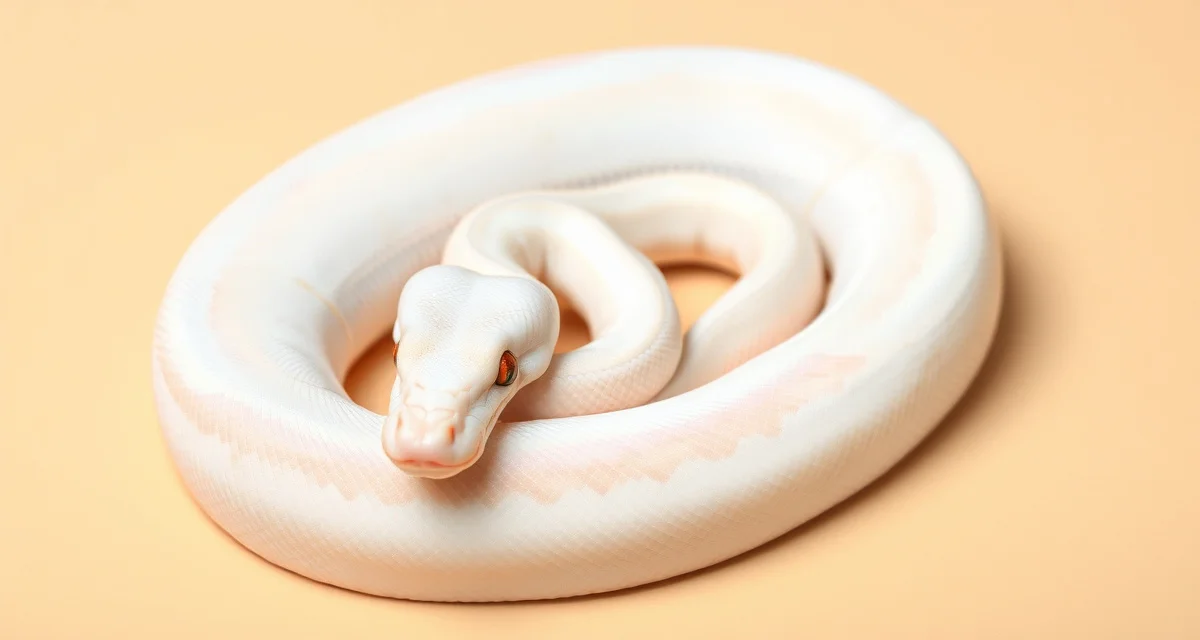
Albino is a simple autosomal recessive mutation causing the absence of melanin (black and brown pigment). Visual Albinos are bright yellow and white with red or pink eyes. There is no dark patterning whatsoever.
Important: Multiple Albino lines exist (Lavender Albino is a separate gene entirely; standard Tyrosinase-negative Albino is the classic). Standard Albino lines are generally compatible with each other, but Lavender Albino is a separate recessive and does not produce visual Albinos when crossed with standard Albino.
Het Albino x Het Albino Pairings
- 25% Visual Albino
- 50% Het Albino (look normal)
- 25% Normal (no Albino gene)
Standard recessive outcome. Visual Albinos are bright yellow and white from day one.
Visual Albino x Normal Pairings
- 100% Het Albino
- 0% Visual Albinos
Building het stock from a proven visual Albino. All offspring are carriers.
Visual Albino x Het Albino Pairings
- 50% Visual Albino
- 50% Het Albino
Most efficient visual production. Half your clutch are visual Albinos every season.
High-Value Albino Combinations
Albino x Pastel (both het Albino): Pastel Albino combines Pastel's brightening with Albino's absence of melanin. The result is an extremely yellow, clean animal.
Albino x Pied (multi-recessive): Albino Pied is one of the hobby's consistently valued multi-recessive combinations. Yellow-and-white piebald with blue eyes (from the absence of melanin). Female Albino Pieds sell for $1,500 to $3,500.
Albino x Clown (multi-recessive): Albino Clown combines the Clown's pattern alteration with Albino's pigment loss. High-value females sell for $1,500 to $3,000.
Albino x Spider = Spinner Blast: Spider carries wobble; Albino/Spider combination produces a bright, white-yellow animal with Spider's reduced pattern. All Spider genetics wobble considerations apply.
Albino x Banana: Banana Albino females are particularly valued for project building.
Albino x GHI: Interesting contrast where GHI's darkening effect produces differently on an Albino base.
Lavender Albino: Separate Gene
Lavender Albino is a separate mutation that reduces all pigment including yellow, producing lavender and white animals. It is NOT compatible with standard Albino. Crossing Lavender Albino with standard Albino produces animals that look normal but are het for both genes. These are double hets, valuable for producing Lavender Albino x Albino crosses in subsequent generations.
Tracking Albino Projects
Albino is foundational enough that many breeders carry het Albino in multiple animals across their collection. Track which specific animals are confirmed het Albino versus possible het in HatchLedger. Parentage documentation for every het claim is essential.
The ball python morph calculator handles Albino pairing genetics including multi-recessive Albino Pied, Albino Clown, and other complex combination pairings.
Frequently Asked Questions
What are the possible outcomes from Albino ball python breeding pairs?
Het x Het produces 25% visual Albino, 50% het Albino, and 25% normal. Visual x Normal produces 100% het Albino. Visual x Het produces 50% visual Albino and 50% het Albino. Lavender Albino x standard Albino produces 100% double hets, no visual Albinos of either type.
How do professional breeders manage Albino multi-recessive projects?
They build toward Albino Pied and Albino Clown combinations by carefully stacking both recessives across multiple seasons, document parentage for all het claims, and target female combination animals as the highest-value end product.
What software helps manage Albino ball python project genetics?
HatchLedger is purpose-built for reptile breeders, connecting animal records, breeding history, clutch outcomes, and financial tracking in one system. Unlike generic spreadsheets, it's designed around the specific workflow of an active breeding season. Free for up to 20 animals.
What is the fastest pairing route to produce visual Albino ball pythons?
The fastest route depends on what stock you already have. If you have a visual Albino, pairing it with a het (or a normal for co-dominant genes) produces visuals immediately. If you are starting from hets, a het x het pairing gives 25% visual odds per clutch. Building het stock first from a visual x normal pairing before running het x het is slower but produces cleaner, more documentable genetics.
How should possible het Albino animals be priced?
Possible het animals are priced as a percentage of confirmed het pricing, proportional to their probability. A 66% possible het from a het x het pairing typically prices at 40-60% of confirmed het value. Animals that have been proven by producing visual offspring upgrade to confirmed het status and can command full het pricing in subsequent sales.
What is Albino Ball Python Breeding Pairs: All Possible Outcomes?
Albino Ball Python Breeding Pairs: All Possible Outcomes is a comprehensive breeding reference guide on HatchLedger covering every genetic pairing combination involving the Albino ball python morph. It explains inheritance patterns, expected clutch ratios, and how Albino interacts with other morphs. Whether you're pairing Albino x Albino, het x het, or combining Albino with co-dominant genes, this guide maps out the probable outcomes so breeders can plan each season with accurate expectations before animals are ever paired.
How much does Albino Ball Python Breeding Pairs: All Possible Outcomes cost?
This is a free educational reference article on HatchLedger. There is no purchase required to access the breeding outcome tables, genetics explanations, or pairing calculators linked within the guide. HatchLedger provides these morph-pairing resources at no cost to help hobbyists and professional breeders make informed decisions. The only costs involved are those associated with acquiring the animals themselves, which vary widely based on genetics, lineage, and market conditions.
How does Albino Ball Python Breeding Pairs: All Possible Outcomes work?
The guide works by breaking down Albino's simple autosomal recessive inheritance and applying Punnett square logic to every relevant pairing type. Each combination — visual x visual, visual x het, het x het, and Albino combined with co-dominant or other recessive morphs — is calculated to show the percentage probability of each offspring outcome per egg. This lets breeders forecast how many visual, het, and normal animals a given clutch is statistically likely to produce.
What are the benefits of Albino Ball Python Breeding Pairs: All Possible Outcomes?
The primary benefit is removing guesswork from breeding season planning. Knowing that a het x het pairing yields only 25% visual odds per egg helps breeders set realistic production targets and price hatchlings accurately. The guide also clarifies important distinctions — such as the difference between standard Albino and Lavender Albino — preventing costly genetic mismatches. Documenting confirmed genetic status based on these outcomes also strengthens het claims, making offspring more valuable and credible to future buyers.
Who needs Albino Ball Python Breeding Pairs: All Possible Outcomes?
This guide is essential for anyone working with Albino genetics in their ball python collection — from first-time breeders attempting their initial recessive pairings to experienced collectors building multi-gene combos. It is especially useful for breeders who want to verify their morph calculator results, understand why clutch outcomes vary from expected ratios, or explain genetic probabilities to buyers. Hobbyists researching whether to invest in Albino animals will also find the outcome breakdowns helpful for evaluating long-term project value.
How long does Albino Ball Python Breeding Pairs: All Possible Outcomes take?
Reading the guide itself takes only minutes, but the breeding projects it supports span one to multiple seasons. A single ball python breeding season runs roughly October through April in captivity, with eggs incubating approximately 55–60 days. Building toward specific multi-gene Albino combinations — such as producing a homozygous double recessive — can realistically take two to four years depending on starting animals and clutch sizes. The guide helps breeders map that timeline realistically from the very first pairing decision.
Related Articles
- Black Magic Ball Python Breeding Pairs: All Possible Outcomes
- Black Pastel Ball Python Breeding Pairs: All Possible Outcomes
Sources
- World of Ball Pythons (WoBP genetics reference database)
- USARK (United States Association of Reptile Keepers)
- Association of Reptilian and Amphibian Veterinarians (ARAV)
- MorphMarket (reptile industry marketplace and pricing data)
- Ball Python community breeding records
Get Started with HatchLedger
Tracking Albino pairing outcomes, het status, and proving records across multiple seasons is where most breeders run into documentation gaps. HatchLedger connects each animal's genetic record to its clutch of origin and parent history, so your het claims are always backed by traceable data. Try it free with up to 20 animals.